
Category: Uncategorized
Crazybuzzer Casino De: So finden Sie die besten Plattformen für Ihr Spielvergnügen
Die Welt des Online-Glücksspiels bietet unzählige Möglichkeiten, um sein Glück zu versuchen und spannende Unterhaltung zu genießen. Besonders beliebt sind die saisonalen Aktionen und Turniere, die von den besten Plattformen angeboten werden. Diese speziellen Events geben Spielern die Chance, zusätzliche Gewinne zu erzielen und ihre Fähigkeiten unter Beweis zu stellen. Egal, ob Sie nach den besten Wettplätzen suchen oder einfach nur Spaß haben möchten, das Internet bietet eine Vielzahl von Optionen für jeden Geschmack. Wer gerne bei Crazybuzzer Casino spielen DE mitmacht, weiß die Vielfalt an Spielen und die attraktiven Bonusangebote zu schätzen.
Saisonale Aktionen: Mehr als nur einfache Boni
Feiertage und besondere Anlässe im Fokus
Online-Casinos wissen, wie sie ihre Spieler begeistern können – besonders während der großen Feiertage und saisonaler Ereignisse. Weihnachten, Ostern, Halloween oder der Sommeranlass bieten die perfekte Gelegenheit für spezielle Promotionen. Details zu Bonusbedingungen und Spielauswahl gibt es direkt bei Crazybuzzer Casino DE. Diese saisonalen Aktionen übersteigen oft die regulären Bonusangebote und bringen einzigartige Gewinnchancen mit sich. Spieler können bei diesen Events oft an exklusiven Turnieren teilnehmen, besondere Freispiele erhalten oder an Lotterien teilnehmen, bei denen attraktive Preise wie Urlaube oder Luxusgewinne gewonnen werden können.
Saisonale Spiele mit besonderem Flair
Neben den Bonusaktionen passen sich auch die Spielangebote den Jahreszeiten an. Viele Online-Casinos veröffentlichen saisonale Spielautomaten, die thematisch auf Feiertage oder Jahreszeiten abgestimmt sind. Von Weihnachtsslots mit Schneeflocken und Rentieren bis zu Halloween-Spielen mit Geistern und Kürbissen – die Auswahl ist riesig. Diese Spiele bieten nicht nur passende Atmosphäre, sondern oft auch spezielle Features und höhere Auszahlungsquoten, die das Spielerlebnis noch aufregender machen. Wer das ganze Jahr über Spaß haben möchte, findet ständig neue saisonale Highlights.
Turnierkalender: Der Weg zu großen Gewinnen
Regelmäßige Slot-Turniere im Überblick
Eines der faszinierendsten Features vieler Online-Casinos sind die regelmäßigen Slot-Turniere. Bei diesen Events treten Spieler gegeneinander an, um in einem bestimmten Zeitraum die meisten Punkte zu sammeln. Punkte werden durch das Spielen von ausgewählten Spielautomaten verdient, wobei oft die Höhe der Einsätze oder die Anzahl der Gewinne entscheidend ist. Die Top-Spieler am Ende des Turniers erhalten attraktive Preisgelder, die oft im vierstelligen Bereich liegen. Diese Turniere finden täglich, wöchentlich oder monatlich statt und bieten für jeden Spieler passende Einstiege – von kleinen Buy-ins bis zu hoch dotierten Events.
Live-Casino-Turniere: Das authentische Casino-Erlebnis
Fans von klassischen Casino-Spielen wie Roulette, Blackjack oder Baccarat kommen bei Live-Casino-Turnieren voll auf ihre Kosten. Bei diesen Events spielen mehrere Spieler gleichzeitig gegen echte Dealer in einem professionellen Studio. Die Turniere können verschiedene Formate haben – vom Wettbewerb um die meisten Gewinne bis zu speziellen Turnierregeln wie “Blackjack Attack”, bei dem bestimmte Bonuspunkte für bestimmte Handkombinationen vergeben werden. Solche Turniere bieten die perfekte Mischung aus authentischem Casino-Feeling und dem Komfort des Spielens von zu Hause.
| Turniertyp | Einstiegskosten | Preisgeldpool |
|---|---|---|
| Daily Slots Race | 10-50 € | 500-2.000 € |
| Weekly Blackjack | 25-100 € | 1.000-5.000 € |
| Monthly Roulette | 50-200 € | 3.000-10.000 € |
| New Player Freeroll | 0 € | 200-500 € |
| High Roller Elite | 500-1.000 € | 10.000-50.000 € |
| Saisonales Hauptevent | 100-500 € | 20.000-100.000 € |

Die besten Buchmacher für Sportwetten im Überblick
Was macht einen guten Wettanbieter aus?
Wer nicht nur im Casino, sondern auch bei Sportwetten aktiv sein möchte, sollte die Angebote der verschiedenen Buchmacher sorgfältig vergleichen. Ein guter Anbieter zeichnet sich durch hohe Quoten, ein breites Wettangebot und attraktive Bonusaktionen aus. Besonders wichtig sind auch die Usability der Plattform und die Vielfalt an Zahlungsmethoden. Viele der besten Plattformen bieten mittlerweile auch Casino-Spiele an, so dass Spieler alles aus einer Hand erhalten. Die Vielfalt an Wettmärkten reicht von Fußball über Eishockey bis hin zu Nischensportarten wie eSports oder Darts.
Sportwetten-Boni im Vergleich
Neukunden bei Buchmachern freuen sich oft über lukrative Willkommensangebote wie Einzahlungsboni oder Gratiswetten. Diese Boni können einen wertvollen Start in die Welt der Sportwetten bieten. Bestandskunden profitieren ebenfalls von regelmäßigen Aktionen wie Cashback-Angeboten, Quotenboosts oder Treueprogrammen. Einige Anbieter veranstalten auch spezielle Turniere, bei denen Spieler gegen andere wetten und zusätzliche Preise gewinnen können. Die Kombination aus Casino- und Sportwetten-Boni macht viele Plattformen besonders attraktiv für vielseitige Spieler.
So finden Sie die besten Plattformen für Ihr Spielvergnügen
Die Auswahl an Online-Casinos und Wettplätzen ist riesig, nicht alle sind jedoch gleich gut. Bei der Auswahl sollten Sie auf Lizenzen, Sicherheit und Seriosität achten. Achten Sie auf Bewertungen und Erfahrungen anderer Spieler, aber bleiben Sie kritisch gegenüber zuversprechenden Aussagen. Ein guter Anbieter bietet transparente Bedingungen, schnelle Auszahlungen und einen zuverlässigen Kundenservice. Viele Plattformen haben mittlerweile mobile Apps oder optimierte Webseiten für Smartphones, sodass Sie jederzeit und überall spielen können. Probieren Sie verschiedene Anbieter aus, um den zu finden, der am besten zu Ihrem Spielstil und Ihren Vorlieben passt.
Häufige Fragen
Sind die Turniere auch für Anfänger geeignet?
Ja, viele Online-Casinos bieten Turniere mit verschiedenen Einstiegsklassen an. Es gibt spezielle Anfänger-Turniere mit niedrigen Buy-ins oder sogar Freerolls (kostenlose Turniere), bei denen auch Anfänger ohne Risiko teilnehmen können.
Wie funktioniert die Teilnahme an einem Casino-Turnier?
Die Teilnahme ist meist einfach – wählen Sie das Turnier aus, registrieren Sie sich und zahlen Sie den Buy-in ein. Dann spielen Sie die ausgewählten Spiele gemäß den Turnierregeln. Punkte werden automatisch basierend auf Ihrem Spielverhalten gesammelt.
Sind die Gewinne aus Turnieren steuerfrei?
In Deutschland sind Gewinne aus Glücksspielen steuerfrei, unabhängig davon, ob sie aus normalen Spielen oder Turnieren stammen. Allerdings müssen die Anbieter über eine gültige Glücksspiellizenz verfügen.
Kann ich an mehreren Turnieren gleichzeitig teilnehmen?
Ja, die meisten Casinos erlauben die Teilnahme an mehreren Turnieren gleichzeitig. Achten Sie aber darauf, dass Sie die Budgetgrenzen einhalten und nicht überfordert sind. Die Organisation mehrerer Turniere erfordert Erfahrung und Disziplin.
Glücksspiel kann süchtig machen. Spielen Sie verantwortungsbewusst und nur mit Geld, dessen Verlust Sie sich leisten können. Setzen Sie sich persönliche Limits und nutzen Sie die Selbstsperre-Optionen, die seriöse Anbieter anbieten. Für Hilfestellungen zum Glücksspielschutz stehen Organisationen wie die Bundeszentrale für gesundheitliche Aufklärung oder die Caritas zur Verfügung. Dieses Angebot richtet sich ausschließlich an Volljährige ab 18 Jahren.
Fazit: Nutzen Sie die Vielfalt der Casino-Aktionen
Saisonale Aktionen und Turniere bieten eine fantastische Möglichkeit, das Spielerlebnis im Online-Casino aufzuwerten. Egal, ob Sie an Slots- oder Live-Casino-Turnieren teilnehmen oder die besonderen Bonusangebote der Buchmacher nutzen möchten – die Möglichkeiten sind nahezu unbegrenzt. Indem Sie verschiedene Plattformen ausprobieren und die Turnierkalender im Auge behalten, können Sie nicht nur zusätzliche Gewinne erzielen, sondern auch Ihr Gaming-Erlebnis deutlich
Il nuovo panorama dei casinò: come i leader stanno plasmando la rivoluzione del gioco nel 2024
Il mercato dei casinò nel 2024 è un ecosistema in rapida evoluzione, dove la digitalizzazione ha spinto sia gli operatori tradizionali sia le startup verso soluzioni basate su cloud, streaming live e intelligenza artificiale. Le normative si stanno uniformando a livello globale: la UK Gambling Commission richiede controlli più severi sulla protezione dei minori, mentre le licenze statunitensi aprono nuove opportunità in stati come New Jersey e Colorado. Parallelamente, i giocatori mostrano una preferenza crescente per esperienze mobile‑first, bonus benvenuto più trasparenti e giochi con RTP elevato.
Nel contesto di questa espansione, molti scommettitori internazionali digitano “casino online esteri” per confrontare offerte e trovare piattaforme affidabili. Un punto di riferimento utile è casino online esteri, dove è possibile esplorare rapidamente le opzioni disponibili.
Nei paragrafi seguenti approfondiremo le innovazioni tecnologiche, i modelli di business emergenti, l’esperienza utente, la sostenibilità e le prospettive future, fornendo una mappa chiara per i principianti che vogliono orientarsi in questo nuovo scenario.
1. Le forze trainanti della trasformazione digitale nei casinò
Le piattaforme di gioco online hanno subito una metamorfosi grazie al cloud gaming, che consente di eseguire slot e tavoli da gioco direttamente dal server senza scaricare software. Il risultato è una latenza quasi nulla su dispositivi mobili, tablet e persino smart TV. Parallelamente, lo streaming live ha portato i dealer reali direttamente nei salotti dei giocatori, creando un ponte tra il casinò fisico e quello digitale.
La realtà aumentata (AR) e la realtà virtuale (VR) stanno ridefinendo le slot: titoli come Gonzo’s Quest VR offrono ambienti tridimensionali dove i rulli si trasformano in scenari interattivi, mentre i tavoli da blackjack in AR proiettano le carte sul tavolo reale del giocatore, aumentando l’immersione.
L’intelligenza artificiale (IA) è il motore invisibile che personalizza l’offerta. Algoritmi di machine learning analizzano il comportamento di gioco, suggerendo bonus benvenuto su misura, promozioni con RTP più alto o tornei su giochi con volatilità preferita. Allo stesso tempo, l’IA rafforza la sicurezza, identificando pattern di frode in tempo reale e bloccando attività sospette prima che si trasformino in perdite.
1.1. Cloud gaming e accessibilità multi‑device
Il cloud elimina la necessità di hardware potente, riducendo i costi di licenza per gli operatori e permettendo scalabilità istantanea durante picchi di traffico, come i tornei di slot non AAMS. Per i giocatori, la possibilità di passare da smartphone a PC senza perdere progressi è un vantaggio competitivo che aumenta la fidelizzazione.
1.2. IA nella gestione del rischio e nella fidelizzazione
Gli algoritmi di rilevamento frodi monitorano transazioni in tempo reale, segnalando anomalie come depositi improvvisi o pattern di scommessa non coerenti. Sul fronte della fidelizzazione, sistemi di raccomandazione suggeriscono giochi con jackpot progressivo o promozioni “deposita 20 € e ricevi 50 € di bonus” basate sul profilo di spesa, migliorando il lifetime value del cliente.
2. I principali attori del mercato: chi guida la rivoluzione?
Tra i top‑10 operatori globali, Bet365 domina il segmento sportivo ma ha ampliato la propria offerta con una suite di slot a tema sportivo, mentre DraftKings ha integrato il live casino nei propri marketplace, puntando su un’esperienza omnicanale. Evolution Gaming rimane il leader indiscusso del live dealer, con una quota di mercato superiore al 30 % nelle licenze europee.
Le strategie di espansione variano: alcuni operatori acquistano studi di sviluppo indie per arricchire il catalogo di slot non AAMS, altri stringono partnership con brand di intrattenimento (ad esempio, la collaborazione tra Pragmatic Play e Marvel) per sfruttare licenze di proprietà intellettuale. Le nuove giurisdizioni, come il mercato del Sud‑Est asiatico, offrono licenze più snelle e incentivi fiscali, spingendo gli operatori a localizzare contenuti in lingua locale e a introdurre metodi di pagamento regionali.
La differenza tra operatori tradizionali e “neo‑casinò” nati online è evidente nella struttura dei costi: i primi mantengono costi fissi legati a locali fisici, mentre i secondi investono in infrastrutture cloud e IA, ottenendo margini più alti su giochi a bassa volatilità.
2.1. Caso studio: Evolution Gaming – dal live dealer al metaverso
Nel 2021 Evolution ha lanciato “Evolution Metaverse”, una piattaforma dove i tavoli da roulette sono ambientati in spazi virtuali condivisi. Nel 2022 ha introdotto avatar personalizzabili per i dealer, consentendo ai giocatori di scegliere l’aspetto del croupier. Nel 2023 è stata integrata la possibilità di scommettere su eventi sportivi in tempo reale direttamente dal tavolo VR, creando un ibrido tra scommessa sportiva e gioco da casinò. Questa evoluzione ha aumentato il tempo medio di sessione del 27 % e ha spinto altri operatori a esplorare soluzioni simili.
3. Esperienza utente: dal design alla gamification
Un’interfaccia UI/UX ben progettata riduce il tempo necessario per trovare il gioco desiderato, aumenta il tasso di conversione e incentiva la spesa. I colori caldi, i pulsanti grandi e le animazioni fluide sono particolarmente efficaci su dispositivi mobili, dove il 62 % dei giocatori accede tramite app.
La gamification trasforma il semplice atto di scommettere in un percorso a livelli: missioni giornaliere (“gioca 3 slot non AAMS e ottieni 10 giri gratuiti”), badge per il completamento di tornei e classifiche pubbliche aumentano l’engagement. Un esempio concreto è il programma “Casino Quest” di LeoVegas, che premia i giocatori con punti convertibili in bonus benvenuto o crediti per eventi sportivi.
Il supporto multilingue è cruciale per i mercati emergenti. Offrire traduzioni in mandarino, hindi e arabo, oltre a un’assistenza clienti 24/7, permette di conquistare segmenti di giocatori che altrimenti rimarrebbero inattivi. La localizzazione non riguarda solo la lingua, ma anche la personalizzazione di promozioni in base a festività locali, come il bonus di Capodanno cinese.
| Operatore | Piattaforma mobile | Bonus benvenuto medio | Supporto multilingue |
|---|---|---|---|
| Bet365 | iOS / Android | 100 % fino a €200 | 12 lingue |
| Evolution | Web + VR | 150 % fino a €300 | 8 lingue |
| LeoVegas | App dedicata | 200 % fino a €500 | 10 lingue |
4. Regolamentazione e responsabilità sociale nel 2024
Le autorità di regolamentazione più influenti, come la UK Gambling Commission (UKGC) e la Malta Gaming Authority (MGA), hanno introdotto requisiti più stringenti su verifiche KYC, limiti di deposito e pubblicità responsabile. Negli USA, le licenze statali richiedono audit trimestrali e la segnalazione di attività sospette al Gambling Commission of New Jersey.
Le iniziative di gioco responsabile includono strumenti di auto‑esclusione, limiti di perdita giornalieri e campagne di sensibilizzazione su dipendenza da gioco. Molti operatori hanno integrato messaggi “Take a break” direttamente nei flussi di gioco, con pulsanti di pausa visibili durante le sessioni di slot ad alta volatilità.
Anche i casinò fisici stanno adottando pratiche sostenibili: installano pannelli solari, utilizzano sistemi di raffreddamento a basso consumo e riducono gli sprechi di plastica nei buffet. Alcuni brand hanno ottenuto certificazioni “Green Casino” per dimostrare l’impegno ambientale, un fattore che attrae una clientela più attenta al futuro del pianeta.
5. Modelli di revenue emergenti
Il tradizionale “pay‑per‑play” sta cedendo il passo a modelli ibridi. Alcuni operatori offrono abbonamenti mensili che garantiscono un certo numero di giri gratuiti, accesso a tornei esclusivi e cashback fino al 10 %. Altri adottano il modello freemium, dove il gioco base è gratuito ma le funzionalità premium – come slot con jackpot progressivo o tavoli VIP – richiedono un pagamento aggiuntivo.
La monetizzazione di contenuti extra è in crescita: eventi sportivi in streaming con scommesse integrate, concerti virtuali con biglietti NFT e partnership con influencer per live‑dealer show. Queste iniziative aumentano il tempo di permanenza e aprono nuove fonti di revenue pubblicitaria.
5.1. Criptovalute e tokenizzazione del gioco
Le criptovalute come Bitcoin, Ethereum e token proprietari consentono depositi istantanei, anonimato e costi di transazione ridotti. Alcuni casinò offrono token di gioco che possono essere scambiati per premi o utilizzati per scommettere su slot con RTP del 98 %. Tuttavia, la volatilità dei prezzi e la mancanza di una normativa uniforme rappresentano ostacoli: le autorità di Malta e del Regno Unito richiedono audit AML per ogni wallet collegato.
6. Il ruolo dei dati: analytics avanzate per decisioni strategiche
Gli operatori raccolgono dati di gioco in tempo reale, monitorando metriche come tempo medio di sessione, tassi di conversione da bonus benvenuto e frequenza di ritiro. Dashboard operative mostrano questi indicatori in grafici interattivi, permettendo ai responsabili marketing di lanciare campagne mirate (ad esempio, offerte “deposita €50 e ricevi 30 giri gratuiti” per giocatori con alta propensione al rischio).
Le analytics aiutano anche nella gestione del rischio: modelli predittivi stimano la probabilità di vincite di jackpot e regolano i limiti di puntata per mantenere un margine di profitto stabile. La privacy rimane una priorità; gli operatori devono conformarsi al GDPR, anonimizzando i dati personali e offrendo opzioni di opt‑out per le comunicazioni di marketing.
7. Prospettive future: cosa aspettarsi nel 2025 e oltre
Entro il 2025, l’integrazione di IA generativa consentirà la creazione di slot personalizzate in tempo reale, con trame che si adattano alle scelte del giocatore. La VR si evolverà verso esperienze “haptic”, dove i giocatori sentiranno vibrazioni quando la pallina cade sulla ruota della roulette.
Nuovi mercati, come l’Asia‑Sud‑Est (Vietnam, Filippine) e l’Africa subsahariana, stanno aprendo licenze con requisiti fiscali favorevoli, attirando investimenti di operatori europei. Le normative emergenti, come la proposta di un “Regolamento UE sul gioco digitale”, potrebbero uniformare i requisiti di licenza e promuovere la trasparenza dei bonus.
Infine, i casinò si stanno trasformando in ecosistemi di intrattenimento: e‑sport, streaming di concerti, social gaming e persino piattaforme di formazione per dealer virtuali. Questo approccio integrato promette di mantenere alta la retention, soprattutto tra i giocatori più giovani, abituati a piattaforme multifunzionali.
Conclusione
Nel 2024 la rivoluzione del gioco è guidata da tecnologie cloud, IA, AR/VR e da un panorama normativo più rigoroso ma anche più chiaro. I leader di mercato – Bet365, DraftKings, Evolution Gaming – hanno dimostrato che l’innovazione, unita a una forte attenzione all’esperienza utente e alla responsabilità sociale, è la chiave per crescere. Per i principianti, monitorare questi trend è fondamentale per scegliere casinò sicuri, capire i bonus benvenuto più vantaggiosi e sfruttare le nuove opportunità offerte da criptovalute e modelli di abbonamento.
Per approfondire ulteriormente il panorama dei “casino online esteri”, i lettori possono consultare risorse come Enrichcentres, che fornisce elenchi aggiornati e guide pratiche per orientarsi tra le varie offerte internazionali.
Strategie psicologiche per massimizzare i bonus nei live casino con dealer dal vivo
Il mondo dei live casino ha rivoluzionato l’esperienza di gioco online, portando il tavolo da roulette o il blackjack direttamente nel salotto del giocatore. Oggi, grazie a streaming in alta definizione, micro‑fono bidirezionale e croupier professionisti, la sensazione di essere in un vero casinò è più reale che mai. Ma dietro l’effetto “casa reale” si nascondono meccanismi psicologici studiati per guidare le decisioni di scommessa, soprattutto quando si tratta di bonus di benvenuto, promozioni ricorrenti e offerte “cashback”.
In questo articolo analizzeremo come luci, suoni e interazione umana influenzino la percezione del rischio, come i diversi tipi di bonus vengano inquadrati per stimolare l’attività di gioco e quali strategie di gestione del bankroll possano trasformare un’offerta allettante in un vero vantaggio. Il focus sarà sempre sul punto di vista del giocatore: cosa pensa, cosa sente e come reagisce quando un dealer dal vivo gli propone una promozione.
Esploreremo inoltre il ruolo del Return to Player (RTP) nei giochi live, la “scommessa di fiducia” che nasce dal desiderio di non perdere un bonus, e le tecniche di framing che trasformano parole come “gratis” o “extra” in potenti leve motivazionali. L’elenco aggiornato si trova su casino non aams sicuri. Alla fine, avrai una panoramica completa su come leggere tra le righe delle offerte e sfruttare la psicologia del casinò a tuo vantaggio, senza cadere nelle trappole di overspending.
Il fascino dei dealer dal vivo: perché i giocatori si sentono “in casinò”
Il primo elemento che colpisce il nuovo giocatore è la presenza di un vero croupier, vestito con abiti eleganti, che mescola le carte o ruota la ruota davanti a una telecamera. Questa figura umana crea un ponte emotivo tra l’ambiente digitale e quello fisico, facendo percepire il gioco come più autentico e, di conseguenza, più affidabile.
Le ricerche di psicologia comportamentale mostrano che le interazioni faccia‑a‑faccia (anche se virtuali) aumentano la fiducia nel risultato. Un dealer che sorride, che commenta una mano vincente o che ringrazia per la puntata genera un senso di riconoscimento personale, riducendo la distanza percettiva tra il giocatore e il casinò.
Inoltre, la possibilità di osservare il flusso di carte o la pallottola della roulette in tempo reale elimina la sensazione di “black box” tipica dei giochi RNG (Random Number Generator). Il giocatore sente di poter valutare le mosse del dealer, anche se inconsciamente, e questo accresce la percezione di controllo.
Il contesto visivo è altrettanto importante: luci soffuse, tavoli di legno lucido e una colonna sonora di sottofondo che riproduce i rumori di un casinò reale. Questi stimoli sensoriali attivano il sistema limbico, responsabile delle emozioni, e favoriscono un coinvolgimento più profondo rispetto a una semplice interfaccia grafica.
| Elemento | Impatto psicologico | Esempio pratico |
|---|---|---|
| Dealer in video | Aumenta la fiducia e la percezione di equità | Il croupier di blackjack che spiega le regole prima della prima mano |
| Luci e suoni | Stimola l’arousal, rende l’esperienza più eccitante | Musica lounge durante il gioco di roulette live |
| Interazione vocale | Crea legame personale, riduce la percezione di anonimato | Il dealer che chiede “Qual è la tua scommessa preferita?” |
Questi fattori, combinati, generano una “illusione di presenza” che rende i bonus ancora più attraenti: il giocatore percepisce l’offerta come un invito personale da parte del dealer, non come una semplice pubblicità digitale.
Meccanismi di persuasione: il ruolo delle luci, del suono e dell’interazione umana
Le luci nei live casino non sono casuali; sono calibrate per aumentare l’attenzione e la concentrazione. Una luce più intensa sul tavolo di baccarat, ad esempio, dirige lo sguardo verso le carte, mentre una luce più calda nella zona del dealer favorisce un’atmosfera rilassata, ideale per accettare offerte di bonus più generose.
Il suono svolge un ruolo complementare. Il tintinnio delle fiches, il rullo della ruota di roulette e i piccoli applausi del dealer al verificarsi di una vincita creano un feedback auditivo che rinforza il comportamento di scommessa. Questo fenomeno, noto come “reinforcement scheduling”, è alla base di molte strategie di marketing nei casinò online.
L’interazione umana, infine, è il vero collante. Quando il dealer chiama per nome il giocatore (“Buona serata, Marco!”) o commenta una puntata (“Una scelta audace!”), il cervello registra un premio sociale. La risposta emotiva è spesso più forte di quella suscitata da un semplice banner promozionale.
Un esempio concreto si trova nei giochi di roulette live dove il dealer propone una “promozione del giorno”: “Per le prossime 30 minuti, tutti i nostri giocatori ricevono il 20 % di bonus sul deposito”. La voce amichevole, il ritmo della presentazione e la pressione temporale creano un “urgency cue” che spinge il giocatore a depositare immediatamente, temendo di perdere l’opportunità.
In sintesi, luci, suoni e parole sono orchestrati per generare un’esperienza immersiva che riduce la resistenza cognitiva alle offerte promozionali, trasformando il bonus in una scelta quasi inevitabile.
Bonus di benvenuto e promozioni ricorrenti: come influenzano le decisioni di gioco
Il bonus di benvenuto è il biglietto da visita di ogni live casino. Un’offerta tipica può prevedere il 100 % del primo deposito più 50 giri gratuiti su una slot live. Il valore percepito è alto perché il giocatore vede subito un “extra” sul proprio capitale. Tuttavia, la vera forza di queste promozioni sta nella loro capacità di attivare il principio di “reciprocità”: il casinò offre qualcosa, il giocatore sente il dovere di ricambiare con una scommessa.
Le promozioni ricorrenti, come i “cashback settimanali” o i “tornei con premio”, mantengono alta la motivazione nel lungo periodo. Quando il giocatore sa che, anche dopo una perdita, riceverà una percentuale indietro, la percezione di rischio diminuisce. Questo meccanismo è stato evidenziato in studi di behavioral economics: la prospettiva di un recupero futuro riduce la soglia di perdita accettabile.
Bonus di deposito vs. bonus senza deposito
Il bonus di deposito richiede un impegno finanziario, ma di solito offre percentuali più alte (fino al 200 %). Il bonus senza deposito, invece, è più piccolo (10 % o 20 €) ma non richiede alcun versamento, rendendolo ideale per i nuovi giocatori che vogliono testare la piattaforma.
Requisiti di scommessa (rollover) e la loro percezione psicologica
Il rollover indica quante volte il valore del bonus deve essere scommesso prima di poter prelevare le vincite. Un requisito di 30x su un bonus da 100 € equivale a 3 000 € di scommesse. Psicologicamente, i giocatori tendono a sottovalutare questo numero, focalizzandosi sul “bonus gratis” anziché sul “quanto devo giocare”. Il framing dei termini, ad esempio “gioca 30 volte e sblocca il tuo bonus”, trasforma un obbligo in una sfida, rendendo più accettabile il vincolo.
Il concetto di RTP nei giochi live e il suo impatto sulla fiducia del giocatore
Il Return to Player (RTP) è una percentuale che indica quanto, in media, una scommessa ritorna al giocatore nel lungo periodo. Nei giochi live, l’RTP è determinato dalla mescolatura reale delle carte o dalla rotazione fisica della ruota, il che conferisce un senso di trasparenza superiore rispetto ai giochi RNG.
Un valore tipico per la roulette live si aggira intorno al 96,5 %. Questa cifra è spesso citata nei termini di servizio dei casinò e può guidare la scelta del giocatore più attento. In effetti, un operatore che pubblicizza un RTP più alto rispetto alla media attira una clientela che cerca “gioco equo”.
Per approfondire le differenze di RTP tra i vari operatori, è possibile consultare il sito di Operationsophia, dove è indicato che alcuni casinò non aams sicuri offrono un RTP medio del 96,5 % nei giochi di roulette live, un dato che può guidare la scelta del giocatore.
Il valore dell’RTP influisce sulla fiducia perché il cervello umano associa numeri precisi a garanzie. Quando il giocatore vede “RTP 97 %” accanto al tavolo di blackjack, percepisce una maggiore probabilità di vincita e, di conseguenza, è più disposto a scommettere importi più alti o a utilizzare i bonus associati.
Tuttavia, è importante ricordare che l’RTP è una media statistica: in una singola sessione il risultato può variare notevolmente. La percezione di “gioco equo” può quindi diventare una trappola se il giocatore ignora la varianza e si affida esclusivamente al valore percentuale.
La “scommessa di fiducia”: come le offerte di bonus creano dipendenza positiva
Quando un bonus viene presentato come “solo per oggi” o “esclusivo per i nostri giocatori più fedeli”, il giocatore avverte una pressione sociale a non perdere l’opportunità. Questo fenomeno, definito “scommessa di fiducia”, spinge l’individuo a credere che l’offerta sia un segnale di riconoscimento da parte del casinò, rafforzando il legame emotivo.
Le promozioni di “match bonus” sono particolarmente efficaci: il 100 % di corrispondenza sul deposito raddoppia il capitale disponibile, ma al contempo crea un senso di obbligo. Il giocatore sente di dover “giustificare” il bonus con una serie di puntate, altrimenti il regalo verrebbe sprecato.
Questo meccanismo è amplificato nei live dealer, dove il dealer stesso può ricordare al tavolo l’esistenza di un bonus in corso, facendo leva sull’effetto “social proof”. La percezione di altri giocatori che accettano l’offerta aumenta la probabilità che anche il nuovo arrivato la accetti.
La dipendenza positiva nasce quindi dalla combinazione di gratificazione immediata (bonus ricevuto) e impegno futuro (scommessa necessaria per sbloccarlo). Se gestita con disciplina, può aumentare il divertimento e la durata della sessione; se non controllata, può trasformarsi in una spinta a giocare oltre le proprie possibilità.
Tecniche di framing dei bonus: la psicologia delle parole “gratis” e “extra”
Il modo in cui un bonus viene descritto ha un impatto diretto sulla decisione di accettarlo. Parole come “gratis”, “extra” o “senza deposito” attivano circuiti cerebrali legati al premio, facendo percepire l’offerta come un regalo anziché come una condizione.
Un tipico esempio è la frase “Ricevi 50 € di bonus gratis al tuo primo deposito”. Il termine “gratis” elimina mentalmente la necessità di valutare il costo, mentre “bonus” suggerisce un valore aggiunto. In realtà, il giocatore dovrà comunque soddisfare un rollover, ma il framing iniziale maschera questa informazione.
Nel caso di “extra”, la percezione è di un “plus” rispetto all’offerta standard. Un casinò può proporre “extra 20 % di bonus su tutti i depositi del weekend”. Qui il focus è sull’incremento percentuale, non sul requisito di scommessa, e il giocatore tende a vedere l’opportunità come un vantaggio netto.
Il framing positivo vs. quello negativo nei termini di bonus
Il framing positivo enfatizza ciò che il giocatore guadagna (“Ottieni 30 % in più”), mentre quello negativo sottolinea ciò che si perde se non si agisce (“Perderai il 30 % di bonus se non giochi entro 24 ore”). Il primo stimola l’avversione alla perdita, il secondo la paura di perdere un’opportunità. Entrambi aumentano la propensione all’azione, ma il positivo è percepito come più amichevole e quindi più efficace a lungo termine.
Come i termini di “cashback” influenzano la percezione del rischio
Il cashback restituisce una percentuale delle perdite subite, tipicamente dal 5 al 15 %. Questo meccanismo riduce la percezione di rischio perché il giocatore sente che, anche se perde, parte del denaro tornerà indietro. Il risultato è una maggiore propensione a scommettere importi più alti, poiché il “costo netto” della perdita è percepito come più basso.
L’effetto “near miss” nei giochi live e il suo legame con i bonus di recupero
Il “near miss” è la sensazione di aver quasi vinto: ad esempio, nella roulette, la pallottola si ferma a una casella adiacente al numero scommesso. Questo evento attiva i circuiti di ricompensa del cervello quasi quanto una vittoria reale, spingendo il giocatore a continuare a scommettere.
Nei live dealer, i near miss sono più evidenti perché il dealer commenta la vicinanza (“Quasi! Era solo una casella di distanza”). Questo commento amplifica l’emozione, creando un desiderio di “recuperare” la quasi vittoria.
I casinò sfruttano questo fenomeno con bonus di recupero, ad esempio “Se subisci 5 near miss consecutivi, ricevi 10 € di bonus”. Il giocatore percepisce il bonus come una ricompensa per la sfortuna, trasformando una sequenza negativa in un’opportunità.
Personalizzazione delle offerte: data‑driven marketing e profilazione comportamentale
Grazie ai big data, i live casino possono analizzare il comportamento di ogni giocatore e creare offerte su misura. Se un utente gioca spesso a blackjack con puntate medie, il sistema può inviargli un bonus “double up” specifico per quella variante, aumentando la probabilità di accettazione.
Le piattaforme raccolgono dati su:
– Frequenza di gioco (giorni/settimane)
– Tipologia di giochi preferiti (roulette, baccarat, poker)
– Importi medi delle puntate
– Reazione a promozioni precedenti (clic, riscatti)
Queste informazioni permettono di segmentare i giocatori in profili come “high roller”, “casual player” o “bonus hunter”. Ogni profilo riceve messaggi diversi:
- High roller: bonus di deposito elevato, tornei con premi in denaro.
- Casual player: giri gratuiti su slot live, cashback settimanale.
- Bonus hunter: offerte senza deposito, promozioni a tempo limitato.
Operationsophia riporta che molti operatori non aams sicuri utilizzano questa strategia per differenziare le proprie campagne, offrendo così un’esperienza più mirata rispetto ai casinò tradizionali.
Gestione del bankroll: ruolo dei bonus nella disciplina finanziaria del giocatore
Un bankroll ben gestito è la base di una carriera di gioco sostenibile. I bonus, se usati correttamente, possono fungere da cuscinetto per proteggere il capitale originale, ma possono anche incoraggiare spese eccessive se non si stabiliscono limiti chiari.
- Protezione del capitale: utilizzare il bonus per le puntate più rischiose, mantenendo il denaro reale per le scommesse più conservative.
- Controllo delle perdite: impostare una soglia di perdita giornaliera (ad esempio 20 % del bankroll) e rispettarla, anche se il bonus è ancora attivo.
Strategie di “bonus‑first” per proteggere il capitale iniziale
Una tattica diffusa è quella di giocare prima con il bonus e solo successivamente con i propri fondi. In questo modo, eventuali perdite ricade sul bonus, che è soggetto a rollover, ma non intacca il capitale reale. Se il giocatore riesce a soddisfare il requisito di scommessa, può ritirare le vincite senza aver speso i propri soldi.
Quando i bonus diventano trappole di overspending
Il rischio maggiore si presenta quando il bonus ha un rollover elevato e il giocatore sente di dover scommettere più di quanto possa permettersi per “sbloccarlo”. Le offerte “high roller” con bonus del 300 % possono spingere a depositi molto più alti rispetto alle abitudini normali, generando una spirale di overspending.
Futuro dei live casino: intelligenza artificiale, realtà aumentata e nuove forme di bonus
L’avvento dell’intelligenza artificiale (IA) sta trasformando i live dealer in assistenti virtuali capaci di analizzare il comportamento del giocatore in tempo reale. Un algoritmo può suggerire promozioni personalizzate mentre il dealer parla, aumentando la rilevanza dell’offerta.
La realtà aumentata (AR) promette tavoli interattivi dove le fiches e le carte appaiono in 3D sopra il tavolo fisico del dealer. Questo livello di immersione potrà introdurre nuovi tipi di bonus, come “bonus AR” attivabili solo quando il giocatore interagisce con oggetti virtuali.
Inoltre, i casinò stanno sperimentando “bonus dinamici” basati su metriche di engagement: più tempo si trascorre al tavolo, maggiore sarà il valore del bonus assegnato al termine della sessione. Queste innovazioni mirano a mantenere alta l’attenzione del giocatore, sfruttando la psicologia della gratificazione continua.
Conclusione
Le strategie psicologiche impiegate nei live casino con dealer dal vivo sono complesse e ben studiate: luci, suoni, interazione umana e framing dei bonus lavorano insieme per influenzare le decisioni di scommessa. Comprendere come i bonus di benvenuto, le promozioni ricorrenti e i requisiti di rollover vengano presentati permette al giocatore di valutare in modo più critico le offerte e di utilizzare i bonus come veri strumenti di vantaggio, anziché come trappole di overspending.
Gestire il bankroll con una mentalità “bonus‑first”, riconoscere l’effetto “near miss” e sfruttare le informazioni sull’RTP e sulle personalizzazioni offerte dal data‑driven marketing sono passi fondamentali per massimizzare il valore delle promozioni. Guardando al futuro, l’IA e la realtà aumentata introdurranno nuove dinamiche, ma i principi psicologici di base rimarranno gli stessi: il casinò cercherà sempre di trasformare il desiderio di vincere in un’esperienza coinvolgente, mentre il giocatore consapevole potrà trasformare queste leve a suo favore.
In un panorama in continua evoluzione, la chiave è rimanere informati, analizzare le offerte con occhio critico e giocare responsabilmente, facendo dei bonus un alleato piuttosto che un ostacolo.
Come le Nuove Wallet Digitali Rivoluzionano i Bonus nei Casinò Online nel 2024
Negli ultimi anni i pagamenti digitali hanno trasformato il modo in cui i giocatori accedono ai casinò online. La velocità di deposito, la trasparenza delle commissioni e la protezione dei dati personali sono diventate priorità assolute, soprattutto quando si tratta di approfittare di offerte di benvenuto e promozioni stagionali. In questo contesto, le wallet digitali si sono affermate come la risposta più efficace alle difficoltà incontrate con i metodi tradizionali.
Per approfondire le novità del settore, i lettori possono consultare il sito di riferimento casino non aams, che raccoglie guide pratiche e aggiornamenti normativi.
Il problema tipico è rappresentato da tempi di elaborazione lunghi, costi nascosti e rischi di frode legati a carte di credito o bonifici bancari. Le wallet moderne, invece, offrono processi quasi istantanei, riducendo le barriere all’ingresso e permettendo di sbloccare i bonus di benvenuto e le promozioni festive di Capodanno con un solo click.
1. Il panorama dei pagamenti nei casinò online: da carte a wallet
Il viaggio dei pagamenti nei casinò online parte dalle prime transazioni con carte di credito Visa e Mastercard, passando per bonifici bancari e i primi e‑wallet come PayPal. Questi strumenti hanno garantito la possibilità di giocare, ma hanno anche introdotto criticità: i depositi potevano richiedere 2‑3 giorni lavorativi, le commissioni di conversione valuta erano alte e i casi di frode con dati rubati erano frequenti.
Con l’avvento di Apple Pay, Google Pay, Skrill, Neteller e le criptowallet, il mercato ha trovato soluzioni più agili. Le nuove wallet riducono i tempi di elaborazione a pochi secondi, offrono tassi di cambio più competitivi e integrano meccanismi di verifica in tempo reale. Inoltre, le piattaforme di casinò online esteri hanno iniziato a supportare queste opzioni per attrarre una clientela più giovane e tecnologicamente esperta.
| Metodo tradizionale | Tempo medio deposito | Commissione tipica | Livello di sicurezza |
|---|---|---|---|
| Carta di credito | 1‑2 giorni | 1‑2 % | Medio |
| Bonifico bancario | 2‑5 giorni | 0,5‑1 % | Alto (ma lento) |
| PayPal | < 1 minuto | 1‑3 % | Alto (tokenizzazione) |
| Skrill/Neteller | < 1 minuto | 0,8‑2 % | Alto (2FA) |
| Criptowallet (BTC) | < 5 minuti | variabile | Molto alto (blockchain) |
Le wallet digitali hanno colmato le lacune dei sistemi precedenti, offrendo una combinazione di rapidità, costi contenuti e protezione avanzata, elementi fondamentali per i giocatori che vogliono sfruttare al massimo i bonus di benvenuto.
2. Sicurezza avanzata delle wallet: crittografia, tokenizzazione e 2FA
Le wallet più diffuse si basano su protocolli TLS per la crittografia end‑to‑end, garantendo che i dati di pagamento non possano essere intercettati durante il transito. La tokenizzazione sostituisce le informazioni sensibili con token temporanei, rendendo inutilizzabili i dati reali in caso di violazione.
Biometria e autenticazione a due fattori (2FA) completano il quadro: l’utente deve confermare l’operazione tramite impronta digitale, riconoscimento facciale o codice temporaneo inviato al proprio smartphone. Queste misure riducono drasticamente il rischio di charge‑back, poiché il commerciante (il casinò) può dimostrare che la transazione è stata autorizzata dal titolare del conto.
Secondo un rapporto del 2023‑2024 dell’Associazione Europea dei Pagamenti Digitali, il tasso di frode per le wallet è sceso sotto lo 0,2 %, contro il 1,5 % delle carte di credito. Questo dato evidenzia come la combinazione di crittografia, tokenizzazione e 2FA abbia reso le wallet il metodo più sicuro per le operazioni nei casino sicuri.
3. Bonus di benvenuto ottimizzati per le wallet: perché le offerte cambiano
I casinò online più competitivi hanno iniziato a strutturare i loro bonus in base al metodo di pagamento. Un tipico bonus di benvenuto “match” del 100 % fino a €200 può essere accompagnato da 50 free spin su una slot a tema natalizio, ma solo se il deposito avviene tramite una wallet specifica.
Le wallet permettono di automatizzare il riconoscimento del deposito: non appena il fondi arrivano, il sistema assegna il bonus senza intervento manuale. Alcuni operatori, come “LuckySpin”, offrono un extra +10 % di credito o 20 spin gratuiti aggiuntivi a chi utilizza Skrill, mentre NetEnt’s “Starburst” può dare 5 % di cashback istantaneo se il pagamento avviene con Apple Pay.
Esempio pratico:
– Casinò A – Bonus 150 % fino a €300 + 30 spin su “Gonzo’s Quest” – valido solo per PayPal.
– Casinò B – 100 % fino a €200 + 20 spin su “Mega Joker” – disponibile per tutte le wallet, ma con un extra 5 % per gli utenti di Google Pay.
Queste differenze incentivano i giocatori a scegliere la wallet più vantaggiosa, trasformando il metodo di pagamento in un vero e proprio elemento di strategia di gioco.
4. Il ruolo delle wallet nella gestione dei limiti di deposito e delle policy KYC
Le wallet integrano i controlli Know‑Your‑Customer (KYC) e Anti‑Money‑Laundering (AML) direttamente nella fase di registrazione. Quando l’utente collega il proprio conto bancario o la carta, la wallet verifica l’identità in tempo reale, evitando la necessità di caricare documenti aggiuntivi al casinò.
Questo approccio porta benefici concreti: i limiti di deposito possono essere aumentati o diminuiti in base al profilo di rischio, ma la modifica avviene istantaneamente. Un giocatore che ha superato il limite giornaliero può richiedere un aumento tramite la wallet, ottenendo una risposta entro minuti anziché giorni.
Per i bonus, i casinò possono attivare promozioni “responsabili” legate al comportamento di spesa. Se la wallet segnala una frequenza di depositi elevata, il sistema può offrire un bonus a basso rollover o un programma di cashback mirato, riducendo il rischio di gioco problematico.
5. Promozioni di Capodanno: campagne tematiche e wallet‑only rewards
Le festività di fine anno sono il periodo più lucrativo per le campagne di marketing dei casinò online. Molti operatori lanciano pacchetti “New Year Blast” con cashback istantaneo, giri extra e tornei a premi. Le wallet rendono possibile l’attivazione di queste offerte con un unico click.
Ad esempio, “Casino Nova” ha introdotto un “Capodanno Wallet Boost”: depositando €50 tramite PayPal, il giocatore riceve un cashback del 15 % immediato e 25 free spin su “Winter Wilds”. Con Google Pay, la stessa promozione offre un bonus extra di 10 % sul deposito.
Strategie per i giocatori:
– Confrontare le percentuali di bonus offerte da ciascuna wallet prima di scegliere.
– Utilizzare wallet con cashback integrato (es. Skrill) per massimizzare i ritorni su ogni deposito.
– Sfruttare le promozioni “one‑time” che scadono il 31 dicembre, assicurandosi di completare la transazione entro le 23:59 UTC per non perdere il premio.
Queste campagne dimostrano come le wallet possano diventare il canale preferenziale per le offerte temporali, garantendo rapidità e tracciabilità.
6. Esperienza utente: velocità di deposito/ritiro e impatto sui giochi live
I tempi di processing rappresentano un fattore decisivo per la soddisfazione del giocatore. Con le wallet, i depositi avvengono in pochi secondi, mentre i prelievi richiedono generalmente da 15 minuti a 2 ore, a seconda del provider. I metodi tradizionali, invece, possono richiedere 1‑3 giorni per i bonifici e 24‑48 ore per le carte di credito.
Questa rapidità è cruciale per i giochi live, dove la continuità è fondamentale. Un giocatore che vuole sedersi al tavolo da blackjack con un bankroll ricaricato al volo può farlo senza interruzioni, migliorando l’esperienza complessiva e aumentando la probabilità di gioco prolungato.
Testimonianze:
– Marco, 34 anni, dice: “Con la mia wallet preferita ho potuto entrare a una partita di roulette live entro 30 secondi dal login. Prima dovevo aspettare ore per il prelievo e spesso mi perdevo le migliori mani.”
– Lara, 27 anni, aggiunge: “Il fatto di avere i fondi disponibili subito mi ha permesso di partecipare a un torneo di poker con buy‑in €100 senza dover pianificare in anticipo il trasferimento bancario.”
7. Costi e commissioni: come valutare il rapporto qualità‑prezzo delle wallet
Le commissioni variano notevolmente tra i fornitori. PayPal addebita circa il 2,9 % più €0,30 per transazione, mentre Skrill applica una tariffa fissa dello 0,8 % con un minimo di €0,20. Neteller, invece, offre una fee dello 1,5 % con sconti per volumi superiori a €5.000 al mese. Le criptowallet, come Binance Pay, hanno commissioni variabili basate sul gas della rete, ma spesso risultano più economiche per i giocatori internazionali.
Per valutare il valore reale di un bonus, è necessario sottrarre le commissioni dal credito effettivo. Un bonus del 100 % su €100 con PayPal (2,9 % + €0,30) lascia un valore netto di €96,81, mentre con Skrill (0,8 %) il valore scende a €99,20.
Consigli pratici:
– Calcolare sempre la commissione totale prima di accettare un bonus.
– Preferire wallet con fee fisse basse se si gioca con piccoli depositi ricorrenti.
– Scegliere wallet con exchange rate vantaggiosi per i giocatori che operano in valute diverse, soprattutto nei casino online esteri.
8. Futuro delle integrazioni wallet nei casinò: AI, blockchain e personalizzazione
Le prossime evoluzioni vedranno l’introduzione di intelligenza artificiale per analizzare i pattern di spesa e suggerire in tempo reale la wallet più redditizia per il giocatore. Algoritmi di machine learning potranno identificare il momento ottimale per attivare un bonus, tenendo conto di fattori come la volatilità del gioco scelto e il saldo attuale.
La blockchain promette trasparenza assoluta: i contratti intelligenti potranno rilasciare automaticamente i bonus al verificarsi di condizioni predefinite, eliminando ogni margine di errore umano. Un “smart bonus” potrebbe, ad esempio, accreditare 20 free spin non appena la wallet conferma un deposito di almeno €50 in una catena di blocchi a bassa latenza.
Dal punto di vista normativo, l’Unione Europea sta valutando nuove direttive per armonizzare le licenze dei casinò online con i requisiti di sicurezza delle wallet. Le piattaforme dovranno dimostrare l’uso di tecnologie “privacy‑by‑design” e garantire che i dati KYC siano conservati in modo decentralizzato ma accessibile alle autorità competenti.
Conclusione
Le wallet digitali hanno ridefinito il panorama dei pagamenti nei casino sicuri, offrendo una combinazione unica di velocità, sicurezza avanzata e capacità di sbloccare bonus più generosi. Durante le festività di Capodanno, queste caratteristiche diventano ancora più decisive, permettendo ai giocatori di accedere a offerte istantanee e di massimizzare il valore dei loro depositi.
Provare una wallet affidabile è il passo più semplice per ottimizzare l’esperienza di gioco e sfruttare al meglio le promozioni disponibili. Per rimanere aggiornati su nuove funzionalità, normative e consigli pratici, è consigliabile visitare regolarmente risorse come Dealflower, dove è possibile trovare guide neutre e aggiornate sul mondo dei pagamenti nei casinò online.
Rimanere informati è fondamentale: la tecnologia avanza rapidamente e solo chi segue le evoluzioni potrà continuare a giocare in modo responsabile, sicuro e profittevole.
Playing Nice: How Legal Bonus Hunting Is Shaping a Fair‑Play Holiday Season in iGaming
The festive season brings twinkling lights, mulled wine, and a digital buzz that rivals any Christmas market. Online casinos roll out glittering “free spins” and generous “welcome bonuses” that promise a head start on the holiday jackpot. For many players, the allure of a 200 % match bonus on a £50 deposit feels like an early gift from Santa, especially when the offer is paired with a festive slot such as Starburst Christmas Edition or a live dealer game like Roulette Royale.
While the excitement is genuine, the surge of holiday promotions also fuels a gray‑area practice known as bonus hunting. This term describes players who systematically open multiple accounts, use VPNs to mask location, or exploit loopholes in promotional terms to claim the same offer repeatedly. The practice has drawn the attention of regulators, operators, and even payment providers, who worry that unchecked abuse could erode trust in the industry.
Players looking for trustworthy options can start with the best online casinos uae, which showcases regulated platforms that meet strict licensing standards. The site serves as a practical resource for anyone who wants to verify that a casino holds a valid UKGC, MGA, or local UAE licence before signing up.
The problem‑solution framework of this article will first outline why bonus hunting became a pain point, then explore the new legal guidelines introduced for the Christmas season, and finally show how operators, technology and players can all benefit from a fair‑play approach.
Why Bonus Hunting Became a Problem in the First Place
The modern era of iGaming began with a wave of aggressive welcome offers designed to attract new players in a crowded market. In 2015, the average first‑deposit bonus in Europe topped 150 % of the deposit amount, often accompanied by 50‑100 free spins. These promotions were effective at boosting acquisition metrics, but they also created fertile ground for exploitation.
Players quickly discovered that by creating a fresh account, completing the minimal KYC steps, and depositing the required £10, they could claim the same bonus repeatedly. Some hunters used disposable email services, while others employed VPNs to appear as residents of jurisdictions with more generous terms, such as Malta or Gibraltar. A handful of sophisticated groups even automated the process with bots that completed registration forms in seconds.
The financial impact on operators was significant. According to internal audits (confidential to the operators), fraudulent bonus claims accounted for up to 12 % of total promotional spend in 2022. This loss forced many casinos to tighten banking relationships, leading to higher transaction fees and, in some cases, the suspension of popular payment methods like e‑wallets. The ripple effect was felt across the ecosystem: processors raised compliance costs, and regulators began to question whether the market was being adequately protected from predatory practices.
Reputation damage followed. News outlets highlighted stories of “bonus hunters” draining casino funds, prompting casual players to wonder whether the industry was a safe place for real‑money gambling. The narrative threatened to shift from “fun and entertainment” to “risk of fraud,” a shift that could undermine the sector’s growth, especially in emerging markets such as the United Arab Emirates where the term Dubai casino is often searched alongside “online casino app.”
The Regulatory Turn‑Around: New Laws & Licensing Requirements
In response to mounting pressure, several licensing bodies introduced targeted legislation aimed at curbing bonus abuse. The United Kingdom Gambling Commission (UKGC) issued a revised Promotion Code of Practice in early 2023, mandating that all operators publish a clear “fair‑use” clause within 30 days of any new promotion. Malta Gaming Authority (MGA) followed suit with a Bonus Abuse Directive, requiring operators to implement real‑time monitoring of account creation patterns. In the United States, state regulators such as the New Jersey Division of Gaming Enforcement introduced stricter KYC verification thresholds for promotional offers exceeding 100 % match bonuses.
These regulatory updates share three common pillars: enhanced KYC/AML scrutiny, explicit fair‑use language, and mandatory auditing of promotional terms. Licensing bodies now have the authority to levy fines of up to £500,000 for non‑compliance, a figure that has prompted many operators to overhaul their internal policies before the Christmas rush.
KYC & AML Measures Strengthened
Stricter identity verification now requires players to submit government‑issued photo ID, proof of address, and in some jurisdictions, a recent utility bill. The verification process must be completed before any bonus funds are credited, effectively blocking the creation of “ghost accounts.” Advanced AML software cross‑checks new registrations against global watchlists, ensuring that sanctioned individuals cannot exploit promotional loopholes.
“Fair‑Use” Clauses in Bonus Terms
Operators are now required to include language that caps the frequency and monetary value of bonus claims per player. A typical clause reads: “A player may claim the welcome bonus a maximum of one (1) time per household and may not receive additional welcome offers within ninety (90) days of the initial claim.” This wording eliminates ambiguity and gives regulators a concrete benchmark for enforcement.
Operators’ Fair‑Play Playbooks: Designing Sustainable Promotions
With the regulatory landscape reshaped, operators have shifted from a pure “give‑away” mentality to a value‑add model that rewards long‑term engagement. Instead of a single massive match bonus, many casinos now bundle a modest 100 % match with a tiered loyalty program that grants points for every wager, regardless of win or loss.
For example, Casino Aurora introduced a “Winter Wonderland” package that includes:
- 100 % match up to £100 on the first deposit
- 25 free spins on Gonzo’s Quest (valid for 48 hours)
- Access to a “Silver” loyalty tier after wagering £500, unlocking a 10 % cash‑back on losses for the next 30 days
Such structures encourage genuine play, as players must meet wagering requirements to unlock higher tiers. Real‑world data from the 2023 holiday season shows that casinos employing tiered programs saw a 22 % increase in player retention compared with those relying solely on one‑off bonuses.
Comparison Table
| Feature | Traditional One‑Off Bonus | Tiered Holiday Promotion |
|---|---|---|
| Initial Match | 200 % up to £200 | 100 % up to £100 |
| Free Spins | 100 on a single slot | 25 on a rotating selection |
| Loyalty Incentive | None | Points → Cash‑back, faster withdrawals |
| Compliance Risk | High (multiple claims) | Low (single claim, monitored) |
| Player Retention (30 days) | 12 % | 34 % |
The table illustrates how a balanced approach reduces abuse while delivering tangible benefits to loyal players.
Player Perspective: What the New Rules Mean for Holiday Gaming
For the average gamer, the new regulations do not mean the end of festive fun; they simply introduce a framework that makes bonus hunting a responsible activity. Players can still enjoy generous offers, but they must adhere to transparent fair‑use policies.
Responsible bonus hunting now involves a single account, careful reading of terms, and strategic timing of deposits to coincide with low‑wagering volatility games such as European Roulette or low‑variance slots like Blood Suckers. By focusing on games with a high Return‑to‑Player (RTP) — often above 96 % — players can meet wagering requirements without exhausting their bankroll.
The psychological benefit of transparent promotions cannot be overstated. Knowing that a bonus is legitimate reduces anxiety and promotes a healthier gambling mindset, especially during the holiday season when stress levels are already elevated. Players report higher satisfaction when they feel the operator is playing fair, leading to longer session times and a more enjoyable experience overall.
Checklist for a Legal Bonus Hunt
- Use only one verified account per household.
- Complete full KYC before any bonus is credited.
- Read the fair‑use clause; note any cooldown periods.
- Apply promo codes once and only on eligible games.
- Track wagering progress in the casino’s player dashboard.
Following this checklist ensures compliance while maximizing the value of holiday promotions.
Technology’s Role: AI & Data Analytics in Detecting Abuse
Modern iGaming platforms rely heavily on AI‑driven monitoring tools to safeguard promotions. Real‑time analytics scan login IPs, device fingerprints, and betting patterns to flag anomalies. For instance, a sudden surge of accounts created from the same ISP within a ten‑minute window triggers an automated review.
Machine‑learning models are trained on historical data to differentiate between genuine high‑rollers and bonus hunters. Features such as average bet size, session length, and game selection feed into classification algorithms that assign a risk score to each account. When the score exceeds a predefined threshold, the system either blocks the bonus or requires additional verification.
Balancing privacy with fraud prevention is a delicate act. Operators must comply with GDPR and local data‑protection laws, ensuring that personal data is processed only for legitimate security purposes. Transparent privacy notices and opt‑out mechanisms help maintain player trust while still allowing the detection of abusive behavior.
Case Studies: Casinos That Got It Right This Christmas
1. Emerald Palace
Emerald Palace introduced a “Christmas Cash‑Back Club” that combined a 100 % welcome match with a 5 % cash‑back on net losses for the first week of December. By integrating AI‑driven KYC checks and a fair‑use clause limiting one claim per household, the casino reduced fraudulent bonus claims by 68 % compared with the previous year. Player retention rose 19 % and holiday revenue increased by £2.3 million.
2. Sapphire Live
Sapphire Live focused on live dealer games, offering a “Holiday Dealer Bonus” that granted 50 free bets on Live Blackjack for new players who deposited at least £20. The promotion required a single verification step and used device‑linking technology to prevent multiple accounts on the same hardware. The result was a 45 % drop in bonus abuse and a 27 % boost in live‑dealer wagering, with a notable increase in average session length of 12 minutes.
3. Desert Star
Targeting the Middle East market, Desert Star launched a “Dubai Delight” package that paired a 150 % match bonus with a limited‑time NFT‑backed reward: a digital snowflake that unlocked exclusive slot tournaments. The casino collaborated with Fshfurniture as a neutral resource to guide players toward regulated operators. By enforcing strict KYC and a 90‑day cooldown on repeat bonuses, Desert Star saw fraudulent claims fall by 73 % and reported a 31 % rise in repeat deposits during the festive period.
These case studies demonstrate that a combination of clear policy, technology, and player‑centric design can produce measurable gains while protecting the integrity of promotions.
Looking Ahead: The Future of Bonus Hunting Post‑Christmas
Regulators are expected to refine bonus‑abuse rules throughout 2025 and 2026, with a particular focus on cross‑border promotions. The UKGC is drafting a “Unified Fair‑Use Standard” that would apply to all licensed operators, regardless of market, creating a level playing field for international players.
Emerging bonus formats are also on the horizon. NFT‑backed rewards, for example, allow casinos to issue provably scarce digital assets that can be redeemed for free spins or cash‑back. Gamified challenges—such as a “12‑Day Spin Quest” where each day unlocks a new mini‑mission—encourage sustained engagement without relying on repeat welcome bonuses.
If the industry continues to prioritize fair‑play, the credibility of iGaming will strengthen, attracting more mainstream investors and fostering partnerships with payment providers that have previously been wary of fraud. The holiday season will evolve from a period of promotional chaos to a showcase of responsible, player‑focused entertainment.
Conclusion
Bonus hunting once threatened to undermine the festive spirit of online gambling, turning generous holiday offers into a battlefield of fraud and regulation. New legal frameworks, reinforced KYC procedures, and explicit fair‑use clauses have reshaped the landscape, giving operators the tools to design sustainable promotions that reward genuine play.
Technology—particularly AI and data analytics—acts as the guardian of these reforms, detecting abuse while respecting player privacy. Real‑world examples from Emerald Palace, Sapphire Live, and Desert Star prove that compliance and profitability can coexist.
As the industry moves forward, players are encouraged to choose regulated sites, such as those listed on the best online casinos uae page, and to enjoy responsible, festive gaming. By embracing legal bonus hunting, everyone—from operators to regulators to players—wins a brighter, fairer holiday season.
Vox— Hintergrund und Details
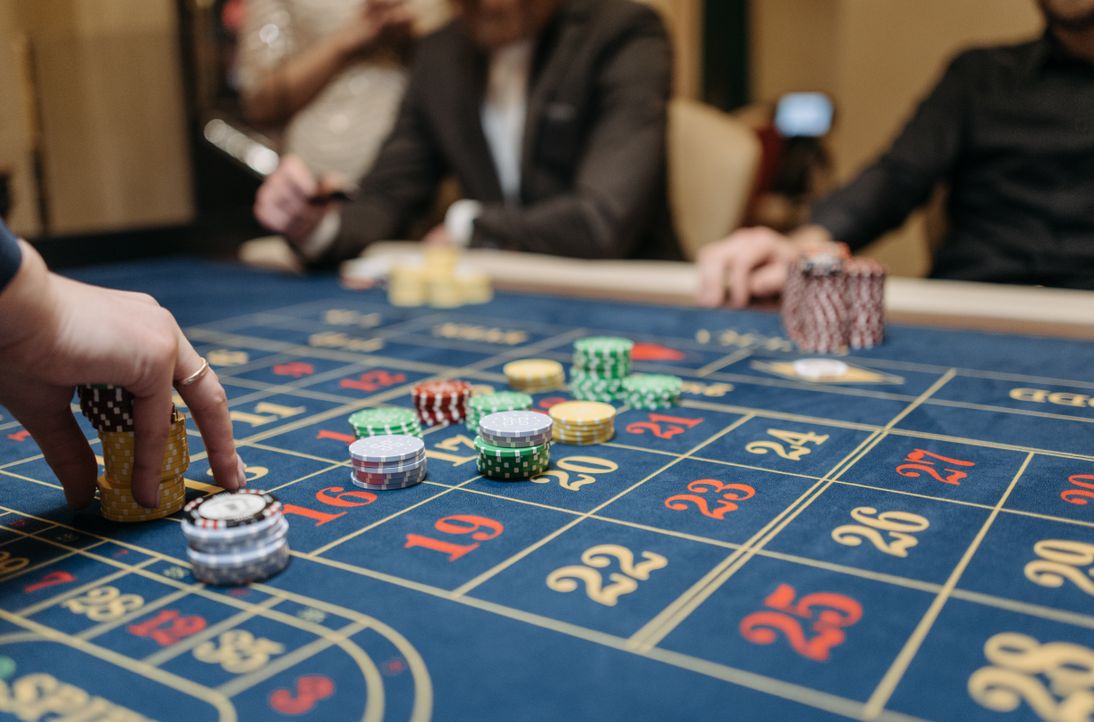
Glücksspielsucht ist ein ernstzunehmendes Problem, das sich oft schleichend entwickelt und sowohl Betroffene als auch ihre Familien schwer belasten kann. Online-Casinos bieten bequeme und rund um die_clock zugängliche Möglichkeiten zum Spielen, was das Risiko einer Sucht erhöhen kann. Es ist wichtig, die Frühwarnzeichen rechtzeitig zu erkennen, bevor das Spielverhalten aus dem Kontrollgerät gerät. In diesem Artikel beleuchten wir die typischen Anzeichen einer Spielsucht und stellen Ihnen hilfreiche Unterstützungsmöglichkeiten vor. Informieren Sie sich über verantwortungsvolles Spielen und entdecken Sie risikofreie Möglichkeiten wie einen Vox Bonus ohne Einzahlung, der ohne finanzielles Risiko erste Erfahrungen ermöglicht.
Was ist Glücksspielsucht?
Glücksspielsucht, auch bekannt als pathologisches Spielen, ist eine anerkannte psychische Störung, die sich durch unkontrolliertes, zwanghaftes Spielen trotz negativer Konsequenzen auszeichnet. Betroffene verlieren die Fähigkeit, ihr Spielverhalten zu kontrollieren, und setzen das Spielen fort, obwohl es ihr Leben massiv beeinträchtigt. Die Sucht entwickelt sich schrittweise und beginnt oft harmlos mit gelegentlichem Spielen für Unterhaltungszwecke. Im Laufe der Zeit wandelt sich das Verhalten von einem willentlichen Akt zu einem unkontrollierbaren Drang, der ähnliche Charakteristika wie andere Suchterkrankungen aufweist. Erfahrungsberichte zu Vox liefern eine erste Orientierung im deutschen Markt. Die Verfügbarkeit von siti scommesse online trägt dazu bei, dass Betroffene jederzeit und überall Zugang zum Glücksspiel haben, was das Suchtverhalten weiter verstärken kann.
Entstehung und Risikofaktoren
Mehrere Faktoren können zur Entwicklung einer Spielsucht beitragen. Genetische Veranlagung, psychische Faktoren wie Depressionen oder Angststörungen sowie soziale Umstände spielen eine wichtige Rolle. Besonders risikobehaftet sind Personen mit einem hohen Suchtpotential, impuliven Charakterzügen oder solchen, die bereits andere Suchterkrankungen hatten. Auch die Marketingstrategien von bookmaker online, die attraktive Boni und schnelle Gewinne versprechen, können bei vulnerablen Personen das Risiko erhöhen. Die Kombination dieser Faktoren kann zur Abhängigkeit führen, bei der das Spielen zur zentralen Lebensaufgabe wird und andere Lebensbereiche in den Hintergrund treten.
Umfassende Definition der Erkrankung
Pathologisches Gambling wurde von der American Psychiatric Association offiziell als psychische Störung anerkannt und im DSM-5 klassifiziert. Die Diagnose erfolgt anhand spezifischer Kriterien, darunter der Verlust der Kontrolle über das Spiel, zunehmende Toleranz (mehr Einsätze nötig für die gleiche Wirkung), Entzugserscheinungen bei Spielverzicht und Fortsetzung des Spielens trotz negativer Konsequenzen. Die Erkrankung betricht nicht nur finanzielle Aspekte, sondern führt auch zu Beziehungsproblemen, beruflichen Schwierigkeiten und psychischen Gesundheitsproblemen. Die Prävalenz der Sucht ist in Gruppen, die regelmäßig siti scommesse nutzen, höher, da der leichte Zugang und die Anonymität online das Verhalten begünstigen.
Frühwarnzeichen einer Spielsucht
Das Erkennen der Frühwarnzeichen ist entscheidend, um rechtzeitig intervenieren zu können. Diese Anzeichen können sich auf das Verhalten, die Gedanken und die Emotionen der betroffenen Person auswirken. Es ist wichtig zu wissen, dass sich diese Warnzeichen oft schleichend entwickeln und zunächst als harmlos erscheinen können. Die Reaktion auf diese Anzeichen kann den entscheidenden Unterschied zwischen kontrolliertem Spielen und einer Sucht ausmachen. Die Nutzung von siti scommesse bonus ohne Einzahlung kann eine Möglichkeit sein, risikofrei zu testen, ob das eigene Spielverhalten bereits problematisch geworden ist.
Verhaltensänderungen
Eines der deutlichsten Anzeichen ist eine Veränderung des Spielverhaltens. Betroffene verbringen zunehmend mehr Zeit mit Spielen, auch wenn sie ursprünglich nur kurze Sessions geplant hatten. Sie beginnen, Lügen über ihre Spielaktivitäten und die damit verbundenen Kosten zu erzählen. Häufig wird das Spielen zur Priorität gemacht, andere Hobbys und soziale Kontakte werden vernachlässigt. Finanzielle Probleme werden zunehmend offensichtlich, oft begleitet von Krediten und Schulden, die heimlich aufgenommen werden. Auch der Versuch, das Spielen einzuschränken oder ganz aufzuhören, scheitert regelmäßig an der inneren Notwendigkeit, weiterzuspielen.
Emotionale und kognitive Veränderungen
Mit der Entwicklung der Sucht gehen emotionale und kognitive Veränderungen einher. Betroffene entwickeln eine starke Fixierung auf das Spiel und denken ständig an nächste Einsätze oder mögliche Gewinne. Das Gefühl der Kontrolle geht verloren, und es entsteht ein innerer Zwang zu spielen. Emotionale Schwankungen werden häufiger: Reizbarkeit und Unruhe bei Spielverboten, aber auch Euphorie während des Spielens. Scham und Schuldgefühle nach Spielzeiten werden durch das Weitermachen nur kurz unterdrückt. Diese emotionalen Veränderungen führen oft zu einer Isolation von Freunden und Familie, die das Verhalten nicht verstehen oder kritisieren.
Hilfsangebote und Therapiemöglichkeiten
Bei Verdacht auf Spielsucht ist es wichtig, professionelle Hilfe in Anspruch zu nehmen. Es gibt verschiedene Hilfsangebote und Therapiemöglichkeiten, die Betroffenen helfen können, aus der Sucht auszubrechen. Die Behandlung sollte individuell auf die Bedürfnisse des Betroffenen zugeschnitten sein und oft mehrere Elemente umfassen. Frühzeitiges Handeln erhöht die Erfolgsaussichten der Therapie erheblich. Oft ist es hilfreich, sowohl psychotherapeutische Ansätze als auch praktische Unterstützung bei der Bewältigung der finanziellen Konsequenzen zu kombinieren.
Therapeutische Ansätze
Die Psychotherapie ist ein zentraler Bestandteil der Behandlung von Spielsucht. Kognitive Verhaltenstherapie (KVT) hat sich hierbei als besonders wirksam erwiesen, da sie hilft, dysfunktionale Denkmuster und Verhaltensweisen zu identifizieren und zu ändern. In Einzel- oder Gruppentherapien können Betroffene ihre Gedanken und Gefühle besser verstehen und Strategien entwickeln, um dem Spielverhalten zu widerstehen. Auch motivationalen Interviewtechniken helfen, die eigene Veränderungsbereitschaft zu stärken. In manchen Fällen werden auch Medikamente eingesetzt, insbesondere wenn gleichzeitig andere psychische Erkrankungen wie Depressionen oder Angststörungen vorliegen. Die Kombination verschiedener Therapiemethoden bietet die besten Chancen auf dauerhafte Abstinenz.
Unterstützungsgruppen und Selbsthilfemöglichkeiten
Neben professioneller Therapie können Selbsthilfegruppen eine wichtige Unterstützung bieten. Organisationen wie Gamblers Anonymous bieten einen sicheren Raum, in dem Betroffene ihre Erfahrungen teilen und sich gegenseitig unterstützen können. Der Austausch mit Gleichbetroffenen reduziert das Gefühl der Isolation und bietet praktische Bewältigungsstrategien. Auch Familienangehörige können in speziellen Gruppen Unterstützung finden, um mit der Situation umzugehen und die betroffene Person angemessen zu unterstützen. Online-Ressourcen und Hotlines bieten zusätzliche Anlaufstellen, die anonym und rund um die Uhr erreichbar sind. Die Kombination aus professioneller Hilfe und Selbsthilfe hat sich als besonders effektiv erwiesen.
Prävention und verantwortungsvolles Spielen
Die beste Strategie gegen Spielsucht ist die Prävention. Verantwortungsvolles Spielen sollte daher für alle Spieler eine Selbstverständlichkeit sein. Online-Casinos und Plattformen für Sportwetten bieten verschiedene Tools und Funktionen an, die helfen, das Spielverhalten kontrolliert zu gestalten. Diese Maßnahmen können helfen, eine Sucht frühzeitig zu erkennen und zu verhindern. Es ist wichtig, dass Spieler über diese Möglichkeiten informiert sind und sie aktiv nutzen. Auch die Auswahl der Plattform spielt eine Rolle – seriöse Anbieter wie die besten siti scommesse bieten umfassende Schutzmaßnahmen und Transparenz.
| Präventionstool | Beschreibung | Nutzen |
|---|---|---|
| Selbstauschluss | Temporäre oder dauerhafte Sperre des Kontos | Unterbricht das Spielverhalten |
| Einsatzlimits | Tages-, wöchentliche oder monatliche Limits | Kontrolliert die Ausgaben |
| Zeitlimits | Automatische Unterbrechung nach bestimmter Spielzeit | Verhindert übermäßige Spielzeiten |
| Echtzeitalarme | Benachrichtigungen bei Überschreitung von Limits | Bewusstsein für Spielverhalten |
| Verifizierung |