
Category: Uncategorized
Unmasking the Math Behind Two‑Factor Security in Online Casinos
The iGaming world is no longer just about flashy slots, high‑paying jackpots, and the allure of a 100 % welcome bonus. Behind the glitter lies a battlefield where sophisticated fraud rings deploy credential‑stuffing bots, deep‑fake phishing, and automated money‑laundering scripts. In 2024 alone, the global casino‑gaming industry reported a 22 % rise in account takeovers, a trend that forces operators to rethink the old “password‑only” model.
Two‑factor authentication (2FA) has therefore moved from a nice‑to‑have perk to a baseline security requirement. By demanding something you know (a password) and something you have (a one‑time code, a biometric, or a hardware token), 2FA adds a statistical wall that attackers must scale. This article takes a mathematical deep dive into how probability theory, cryptographic algorithms, and risk modeling power modern 2FA systems in online casinos.
Industry analysts often turn to benchmarking tools like https://ecoscorecard.com/ to compare security performance across platforms. While Ecoscorecard does not publish its own rankings, it serves as a handy reference point for operators who want to gauge where their authentication stack sits relative to peers.
We will explore six core areas: the probability foundations that expose the weakness of single‑factor logins, the statistical strength of OTPs, Bayesian adaptive authentication, biometric error rates, transaction‑level hash chains, and finally a cost‑benefit model that quantifies ROI for casino operators. By the end, you’ll see how each additional layer multiplies the difficulty for fraudsters and protects both players and the bottom line.
1. Probability Foundations: Why One Factor Isn’t Enough
A single credential—typically a password—can be modeled as a random variable with a certain entropy measured in bits. The average user creates a 7‑character alphanumeric password, which yields roughly 42 bits of entropy (log₂ 62⁷ ≈ 42). In practice, many users reuse simple patterns, dropping the effective entropy to around 20 bits.
If an attacker attempts a brute‑force attack, the probability of success in a single guess is 1 / 2²⁰, or about 9.5 × 10⁻⁷. Add credential‑stuffing databases and the chance that a password appears in a leaked list—perhaps 5 % for a typical online casino user—then the overall breach probability for one factor climbs to roughly 0.05 + 9.5 × 10⁻⁷ ≈ 5 %.
Now consider two independent attack vectors, such as phishing (probability p₁ ≈ 0.03) and keylogging (probability p₂ ≈ 0.02). Using the union rule, the combined probability of at least one vector succeeding is p₁ + p₂ − p₁p₂ ≈ 0.05 − 0.0006 ≈ 4.94 %.
When a second factor is introduced, the attacker must succeed on both fronts. If the second factor offers 6‑digit OTP entropy (10⁶ possibilities) and the system enforces rate limiting to 3 attempts per minute, the probability of guessing correctly within a 5‑minute window drops to (3/10⁶)⁵ ≈ 2.4 × 10⁻²⁴. Multiplying this with the single‑factor breach probability (≈5 %) yields a combined breach probability on the order of 10⁻²⁵—effectively negligible.
In short, the mathematics turns a 5 % chance of compromise into a virtually impossible event, illustrating why a single factor simply isn’t enough for high‑stakes environments like real‑money casino tables or progressive jackpot slots.
2. Cryptographic One‑Time Passwords (OTPs) and Their Statistical Strength
One‑time passwords are generated either on demand (HOTP) or based on the current time slice (TOTP). Both rely on HMAC‑SHA‑1, a construction that mixes a secret key with a counter (HOTP) or timestamp (TOTP) and then hashes the result. The output is pseudo‑random and uniformly distributed across the 2³² possible values before truncation.
For a 6‑digit TOTP, the algorithm truncates the 160‑bit HMAC output to a value between 000000 and 999999. This yields exactly 10⁶ possible codes, giving an entropy of log₂ 10⁶ ≈ 19.9 bits. A brute‑force attacker who can submit 10 guesses per second faces a success probability of 10 / 10⁶ = 0.001 % per second. Over a typical 30‑second validity window, the cumulative probability is roughly 0.03 %.
Rate limiting further skews the odds. If the casino caps attempts at three per minute, the attacker’s chance of success in a single window becomes 3 / 10⁶ = 3 × 10⁻⁶, or 0.0003 %. Multiply that by the probability of obtaining the password in the first place (say 5 % from the previous section) and the overall odds shrink to 1.5 × 10⁻⁷.
Push‑notification approvals, used by many mobile casino apps, replace numeric entropy with a binary decision (approve/deny) but add a contextual layer: the user must physically interact with a trusted device. While the numeric entropy is lower (essentially 1 bit), the attack surface narrows because the attacker must also compromise the device’s notification channel. In practice, combining a numeric OTP with a push approval yields an effective entropy of roughly 20 bits (OTP) + 1 bit (approval) ≈ 21 bits, but the independence of the two factors makes the joint probability multiplicative, further reducing breach likelihood.
3. Risk‑Based Adaptive Authentication: Bayesian Updating in Real Time
Adaptive authentication treats each login as a hypothesis test. The prior probability (π₀) reflects the baseline fraud rate for the casino—often around 0.2 % for reputable Singapore online casino platforms. As contextual signals arrive, the system updates this belief using Bayes’ theorem:
posterior = ( likelihood × prior ) / evidence
Consider three signals: IP reputation (high‑risk IP adds a likelihood ratio of 5), device fingerprint mismatch (ratio = 3), and a transaction size exceeding the player’s typical wager (ratio = 4). Starting with π₀ = 0.002, after the first signal the posterior becomes
π₁ = (5 × 0.002) / [5 × 0.002 + (1‑0.002)] ≈ 0.0099 (≈1 %).
Adding the second signal:
π₂ = (3 × 0.0099) / [3 × 0.0099 + (1‑0.0099)] ≈ 0.028 (≈2.8 %).
A third high‑value bet pushes the posterior to
π₃ ≈ (4 × 0.028) / [4 × 0.028 + (1‑0.028)] ≈ 0.099 (≈10 %).
When the posterior crosses a predefined threshold—often set around 5 %—the system triggers a 2FA prompt.
From an expected utility perspective, the casino balances the cost of a false positive (user friction) against the expected loss from a false negative (fraud). If the friction cost per prompt is $0.05 (support time, abandoned session) and the average fraud loss per breach is $1,200, the optimal threshold minimizes the sum of these weighted risks. Bayesian updating thus enables real‑time, data‑driven decisions that protect the bankroll while keeping the player experience smooth.
4. Biometric Factors: False Acceptance & Rejection Rates in Numbers
Biometric authentication adds a “something you are” factor. Common modalities include fingerprint scanners on mobile devices, facial recognition via webcam, and voice verification during live‑dealer sessions. Each modality is characterized by two key metrics:
- False Acceptance Rate (FAR) – probability that an impostor is incorrectly accepted.
- False Rejection Rate (FRR) – probability that a legitimate user is incorrectly denied.
Suppose a casino implements fingerprint verification with a FAR of 0.1 % (1 in 1,000) and an FRR of 2 % (1 in 50). For 1 million login attempts, the expected outcomes are:
- True positives: 1,000,000 × (1 – FAR – FRR) ≈ 979,000
- False acceptances: 1,000,000 × 0.001 = 1,000 (potential fraud cases)
- False rejections: 1,000,000 × 0.02 = 20,000 (legitimate players inconvenienced)
If the same system is paired with a 6‑digit OTP (entropy ≈ 20 bits, FAR ≈ 0.0001 % when combined), the joint FAR becomes the product of independent error rates: 0.001 × 0.000001 = 1 × 10⁻⁹, effectively eliminating fraudulent logins. The combined FRR, however, rises slightly (approximately 2 % + 0.001 % ≈ 2.001 %).
| Modality | FAR | FRR | Combined with OTP (FAR) |
|---|---|---|---|
| Fingerprint | 0.1 % | 2 % | 1 × 10⁻⁹ |
| Facial recognition | 0.05 % | 3 % | 5 × 10⁻¹⁰ |
| Voice | 0.2 % | 4 % | 2 × 10⁻⁹ |
The table shows that even modest biometric FARs become negligible when layered with OTPs, turning the authentication process into a statistical fortress.
5. Transaction‑Level 2FA: Secure Payments Through Cryptographic Hash Chains
Beyond login protection, many casinos enforce 2FA at the transaction level, especially for high‑value withdrawals or jackpot payouts. A hash chain links each payment authorization to a single initial 2FA event, ensuring forward secrecy.
Construction steps:
- Generate a random seed H₀ (256‑bit).
- Compute H₁ = hash(H₀), H₂ = hash(H₁), …, Hₙ = hash(Hₙ₋₁).
- Store only the final hash Hₙ on the server.
When a player initiates the first withdrawal, they present Hₙ₋₁ as proof. The server hashes Hₙ₋₁ and verifies it matches the stored Hₙ. After verification, the server discards Hₙ and stores Hₙ₋₁ for the next transaction. This “pre‑image” verification proves that the player possessed the previous hash without revealing future values.
Mathematically, an attacker who intercepts Hₙ₋₁ cannot compute Hₙ₋₂ without inverting the hash function—a computationally infeasible task (≈2¹²⁸ operations for SHA‑256). Consequently, the probability of a successful replay attack drops from 1 (if a static token were used) to 1 / 2¹²⁸, effectively zero.
If a casino processes 10,000 withdrawals per month, each secured by a fresh hash value, the cumulative replay‑attack probability remains negligible, reinforcing player confidence in the integrity of large payouts such as a €10,000 progressive slot win.
6. Cost‑Benefit Modeling: ROI of Implementing Advanced 2FA in Online Casinos
Implementing a robust 2FA suite involves several cost components:
- Software licensing (OTP generator, push‑notification service): $15,000 / year.
- Hardware tokens for VIP players (optional): $5 per device, average 2,000 devices = $10,000.
- Biometric SDK integration: $8,000 one‑time plus $2,000 annual support.
- Ongoing verification fees (SMS, email): $0.02 per OTP, 500,000 OTPs = $10,000.
- Customer‑support training: $4,000.
Total first‑year expense ≈ $47,000; recurring annual cost ≈ $25,000.
Now consider loss estimates. Industry data suggest an average fraud payout of $1,500 per compromised account, with ancillary brand damage valued at $3,000 per incident. For a mid‑size Singapore online casino handling 200,000 active users, the baseline breach probability without 2FA (from Section 1) is ~5 %, yielding an expected loss:
E[Loss] = 0.05 × 200,000 × $4,500 ≈ $45,000,000.
Introducing 2FA reduces the breach probability to 10⁻⁶, slashing expected loss to $90,000. The net benefit = $45,000,000 – $90,000 – $47,000 ≈ $44,863,000 in the first year alone.
Scenario analysis
| Casino size | Users | Annual 2FA cost | Expected loss without 2FA | Expected loss with 2FA | Payback period |
|---|---|---|---|---|---|
| Small | 30k | $20k | $4.05 M | $45k | 5 months |
| Medium | 120k | $35k | $16.2 M | $180k | 7 months |
| Large | 500k | $55k | $67.5 M | $750k | 11 months |
Even the most conservative estimates show break‑even within 12 months, making advanced 2FA not just a security measure but a profit‑center.
Conclusion
The mathematics behind two‑factor security turns abstract numbers into concrete protection for online casino operators and players alike. Entropy calculations show how a single password leaves a wide attack surface, while adding an OTP or biometric factor multiplies the difficulty for attackers to astronomically low levels. Bayesian adaptive models let casinos trigger 2FA only when risk spikes, preserving a smooth user experience. Hash chains secure every high‑value transaction with forward secrecy, and cost‑benefit analysis proves that the ROI is measured in millions of dollars saved.
In a market where a single compromised jackpot can erode player trust and regulatory standing, operators must adopt mathematically sound, risk‑based 2FA solutions. By continuously measuring entropy, error rates, and ROI—using resources such as Ecoscorecard for benchmarking—casinos can stay a step ahead of evolving threats, safeguard real‑money gameplay, and keep the reels spinning safely for everyone.
Unmasking the Math Behind Two‑Factor Security in Online Casinos
The iGaming world is no longer just about flashy slots, high‑paying jackpots, and the allure of a 100 % welcome bonus. Behind the glitter lies a battlefield where sophisticated fraud rings deploy credential‑stuffing bots, deep‑fake phishing, and automated money‑laundering scripts. In 2024 alone, the global casino‑gaming industry reported a 22 % rise in account takeovers, a trend that forces operators to rethink the old “password‑only” model.
Two‑factor authentication (2FA) has therefore moved from a nice‑to‑have perk to a baseline security requirement. By demanding something you know (a password) and something you have (a one‑time code, a biometric, or a hardware token), 2FA adds a statistical wall that attackers must scale. This article takes a mathematical deep dive into how probability theory, cryptographic algorithms, and risk modeling power modern 2FA systems in online casinos.
Industry analysts often turn to benchmarking tools like https://ecoscorecard.com/ to compare security performance across platforms. While Ecoscorecard does not publish its own rankings, it serves as a handy reference point for operators who want to gauge where their authentication stack sits relative to peers.
We will explore six core areas: the probability foundations that expose the weakness of single‑factor logins, the statistical strength of OTPs, Bayesian adaptive authentication, biometric error rates, transaction‑level hash chains, and finally a cost‑benefit model that quantifies ROI for casino operators. By the end, you’ll see how each additional layer multiplies the difficulty for fraudsters and protects both players and the bottom line.
1. Probability Foundations: Why One Factor Isn’t Enough
A single credential—typically a password—can be modeled as a random variable with a certain entropy measured in bits. The average user creates a 7‑character alphanumeric password, which yields roughly 42 bits of entropy (log₂ 62⁷ ≈ 42). In practice, many users reuse simple patterns, dropping the effective entropy to around 20 bits.
If an attacker attempts a brute‑force attack, the probability of success in a single guess is 1 / 2²⁰, or about 9.5 × 10⁻⁷. Add credential‑stuffing databases and the chance that a password appears in a leaked list—perhaps 5 % for a typical online casino user—then the overall breach probability for one factor climbs to roughly 0.05 + 9.5 × 10⁻⁷ ≈ 5 %.
Now consider two independent attack vectors, such as phishing (probability p₁ ≈ 0.03) and keylogging (probability p₂ ≈ 0.02). Using the union rule, the combined probability of at least one vector succeeding is p₁ + p₂ − p₁p₂ ≈ 0.05 − 0.0006 ≈ 4.94 %.
When a second factor is introduced, the attacker must succeed on both fronts. If the second factor offers 6‑digit OTP entropy (10⁶ possibilities) and the system enforces rate limiting to 3 attempts per minute, the probability of guessing correctly within a 5‑minute window drops to (3/10⁶)⁵ ≈ 2.4 × 10⁻²⁴. Multiplying this with the single‑factor breach probability (≈5 %) yields a combined breach probability on the order of 10⁻²⁵—effectively negligible.
In short, the mathematics turns a 5 % chance of compromise into a virtually impossible event, illustrating why a single factor simply isn’t enough for high‑stakes environments like real‑money casino tables or progressive jackpot slots.
2. Cryptographic One‑Time Passwords (OTPs) and Their Statistical Strength
One‑time passwords are generated either on demand (HOTP) or based on the current time slice (TOTP). Both rely on HMAC‑SHA‑1, a construction that mixes a secret key with a counter (HOTP) or timestamp (TOTP) and then hashes the result. The output is pseudo‑random and uniformly distributed across the 2³² possible values before truncation.
For a 6‑digit TOTP, the algorithm truncates the 160‑bit HMAC output to a value between 000000 and 999999. This yields exactly 10⁶ possible codes, giving an entropy of log₂ 10⁶ ≈ 19.9 bits. A brute‑force attacker who can submit 10 guesses per second faces a success probability of 10 / 10⁶ = 0.001 % per second. Over a typical 30‑second validity window, the cumulative probability is roughly 0.03 %.
Rate limiting further skews the odds. If the casino caps attempts at three per minute, the attacker’s chance of success in a single window becomes 3 / 10⁶ = 3 × 10⁻⁶, or 0.0003 %. Multiply that by the probability of obtaining the password in the first place (say 5 % from the previous section) and the overall odds shrink to 1.5 × 10⁻⁷.
Push‑notification approvals, used by many mobile casino apps, replace numeric entropy with a binary decision (approve/deny) but add a contextual layer: the user must physically interact with a trusted device. While the numeric entropy is lower (essentially 1 bit), the attack surface narrows because the attacker must also compromise the device’s notification channel. In practice, combining a numeric OTP with a push approval yields an effective entropy of roughly 20 bits (OTP) + 1 bit (approval) ≈ 21 bits, but the independence of the two factors makes the joint probability multiplicative, further reducing breach likelihood.
3. Risk‑Based Adaptive Authentication: Bayesian Updating in Real Time
Adaptive authentication treats each login as a hypothesis test. The prior probability (π₀) reflects the baseline fraud rate for the casino—often around 0.2 % for reputable Singapore online casino platforms. As contextual signals arrive, the system updates this belief using Bayes’ theorem:
posterior = ( likelihood × prior ) / evidence
Consider three signals: IP reputation (high‑risk IP adds a likelihood ratio of 5), device fingerprint mismatch (ratio = 3), and a transaction size exceeding the player’s typical wager (ratio = 4). Starting with π₀ = 0.002, after the first signal the posterior becomes
π₁ = (5 × 0.002) / [5 × 0.002 + (1‑0.002)] ≈ 0.0099 (≈1 %).
Adding the second signal:
π₂ = (3 × 0.0099) / [3 × 0.0099 + (1‑0.0099)] ≈ 0.028 (≈2.8 %).
A third high‑value bet pushes the posterior to
π₃ ≈ (4 × 0.028) / [4 × 0.028 + (1‑0.028)] ≈ 0.099 (≈10 %).
When the posterior crosses a predefined threshold—often set around 5 %—the system triggers a 2FA prompt.
From an expected utility perspective, the casino balances the cost of a false positive (user friction) against the expected loss from a false negative (fraud). If the friction cost per prompt is $0.05 (support time, abandoned session) and the average fraud loss per breach is $1,200, the optimal threshold minimizes the sum of these weighted risks. Bayesian updating thus enables real‑time, data‑driven decisions that protect the bankroll while keeping the player experience smooth.
4. Biometric Factors: False Acceptance & Rejection Rates in Numbers
Biometric authentication adds a “something you are” factor. Common modalities include fingerprint scanners on mobile devices, facial recognition via webcam, and voice verification during live‑dealer sessions. Each modality is characterized by two key metrics:
- False Acceptance Rate (FAR) – probability that an impostor is incorrectly accepted.
- False Rejection Rate (FRR) – probability that a legitimate user is incorrectly denied.
Suppose a casino implements fingerprint verification with a FAR of 0.1 % (1 in 1,000) and an FRR of 2 % (1 in 50). For 1 million login attempts, the expected outcomes are:
- True positives: 1,000,000 × (1 – FAR – FRR) ≈ 979,000
- False acceptances: 1,000,000 × 0.001 = 1,000 (potential fraud cases)
- False rejections: 1,000,000 × 0.02 = 20,000 (legitimate players inconvenienced)
If the same system is paired with a 6‑digit OTP (entropy ≈ 20 bits, FAR ≈ 0.0001 % when combined), the joint FAR becomes the product of independent error rates: 0.001 × 0.000001 = 1 × 10⁻⁹, effectively eliminating fraudulent logins. The combined FRR, however, rises slightly (approximately 2 % + 0.001 % ≈ 2.001 %).
| Modality | FAR | FRR | Combined with OTP (FAR) |
|---|---|---|---|
| Fingerprint | 0.1 % | 2 % | 1 × 10⁻⁹ |
| Facial recognition | 0.05 % | 3 % | 5 × 10⁻¹⁰ |
| Voice | 0.2 % | 4 % | 2 × 10⁻⁹ |
The table shows that even modest biometric FARs become negligible when layered with OTPs, turning the authentication process into a statistical fortress.
5. Transaction‑Level 2FA: Secure Payments Through Cryptographic Hash Chains
Beyond login protection, many casinos enforce 2FA at the transaction level, especially for high‑value withdrawals or jackpot payouts. A hash chain links each payment authorization to a single initial 2FA event, ensuring forward secrecy.
Construction steps:
- Generate a random seed H₀ (256‑bit).
- Compute H₁ = hash(H₀), H₂ = hash(H₁), …, Hₙ = hash(Hₙ₋₁).
- Store only the final hash Hₙ on the server.
When a player initiates the first withdrawal, they present Hₙ₋₁ as proof. The server hashes Hₙ₋₁ and verifies it matches the stored Hₙ. After verification, the server discards Hₙ and stores Hₙ₋₁ for the next transaction. This “pre‑image” verification proves that the player possessed the previous hash without revealing future values.
Mathematically, an attacker who intercepts Hₙ₋₁ cannot compute Hₙ₋₂ without inverting the hash function—a computationally infeasible task (≈2¹²⁸ operations for SHA‑256). Consequently, the probability of a successful replay attack drops from 1 (if a static token were used) to 1 / 2¹²⁸, effectively zero.
If a casino processes 10,000 withdrawals per month, each secured by a fresh hash value, the cumulative replay‑attack probability remains negligible, reinforcing player confidence in the integrity of large payouts such as a €10,000 progressive slot win.
6. Cost‑Benefit Modeling: ROI of Implementing Advanced 2FA in Online Casinos
Implementing a robust 2FA suite involves several cost components:
- Software licensing (OTP generator, push‑notification service): $15,000 / year.
- Hardware tokens for VIP players (optional): $5 per device, average 2,000 devices = $10,000.
- Biometric SDK integration: $8,000 one‑time plus $2,000 annual support.
- Ongoing verification fees (SMS, email): $0.02 per OTP, 500,000 OTPs = $10,000.
- Customer‑support training: $4,000.
Total first‑year expense ≈ $47,000; recurring annual cost ≈ $25,000.
Now consider loss estimates. Industry data suggest an average fraud payout of $1,500 per compromised account, with ancillary brand damage valued at $3,000 per incident. For a mid‑size Singapore online casino handling 200,000 active users, the baseline breach probability without 2FA (from Section 1) is ~5 %, yielding an expected loss:
E[Loss] = 0.05 × 200,000 × $4,500 ≈ $45,000,000.
Introducing 2FA reduces the breach probability to 10⁻⁶, slashing expected loss to $90,000. The net benefit = $45,000,000 – $90,000 – $47,000 ≈ $44,863,000 in the first year alone.
Scenario analysis
| Casino size | Users | Annual 2FA cost | Expected loss without 2FA | Expected loss with 2FA | Payback period |
|---|---|---|---|---|---|
| Small | 30k | $20k | $4.05 M | $45k | 5 months |
| Medium | 120k | $35k | $16.2 M | $180k | 7 months |
| Large | 500k | $55k | $67.5 M | $750k | 11 months |
Even the most conservative estimates show break‑even within 12 months, making advanced 2FA not just a security measure but a profit‑center.
Conclusion
The mathematics behind two‑factor security turns abstract numbers into concrete protection for online casino operators and players alike. Entropy calculations show how a single password leaves a wide attack surface, while adding an OTP or biometric factor multiplies the difficulty for attackers to astronomically low levels. Bayesian adaptive models let casinos trigger 2FA only when risk spikes, preserving a smooth user experience. Hash chains secure every high‑value transaction with forward secrecy, and cost‑benefit analysis proves that the ROI is measured in millions of dollars saved.
In a market where a single compromised jackpot can erode player trust and regulatory standing, operators must adopt mathematically sound, risk‑based 2FA solutions. By continuously measuring entropy, error rates, and ROI—using resources such as Ecoscorecard for benchmarking—casinos can stay a step ahead of evolving threats, safeguard real‑money gameplay, and keep the reels spinning safely for everyone.
Unmasking the Math Behind Two‑Factor Security in Online Casinos
The iGaming world is no longer just about flashy slots, high‑paying jackpots, and the allure of a 100 % welcome bonus. Behind the glitter lies a battlefield where sophisticated fraud rings deploy credential‑stuffing bots, deep‑fake phishing, and automated money‑laundering scripts. In 2024 alone, the global casino‑gaming industry reported a 22 % rise in account takeovers, a trend that forces operators to rethink the old “password‑only” model.
Two‑factor authentication (2FA) has therefore moved from a nice‑to‑have perk to a baseline security requirement. By demanding something you know (a password) and something you have (a one‑time code, a biometric, or a hardware token), 2FA adds a statistical wall that attackers must scale. This article takes a mathematical deep dive into how probability theory, cryptographic algorithms, and risk modeling power modern 2FA systems in online casinos.
Industry analysts often turn to benchmarking tools like https://ecoscorecard.com/ to compare security performance across platforms. While Ecoscorecard does not publish its own rankings, it serves as a handy reference point for operators who want to gauge where their authentication stack sits relative to peers.
We will explore six core areas: the probability foundations that expose the weakness of single‑factor logins, the statistical strength of OTPs, Bayesian adaptive authentication, biometric error rates, transaction‑level hash chains, and finally a cost‑benefit model that quantifies ROI for casino operators. By the end, you’ll see how each additional layer multiplies the difficulty for fraudsters and protects both players and the bottom line.
1. Probability Foundations: Why One Factor Isn’t Enough
A single credential—typically a password—can be modeled as a random variable with a certain entropy measured in bits. The average user creates a 7‑character alphanumeric password, which yields roughly 42 bits of entropy (log₂ 62⁷ ≈ 42). In practice, many users reuse simple patterns, dropping the effective entropy to around 20 bits.
If an attacker attempts a brute‑force attack, the probability of success in a single guess is 1 / 2²⁰, or about 9.5 × 10⁻⁷. Add credential‑stuffing databases and the chance that a password appears in a leaked list—perhaps 5 % for a typical online casino user—then the overall breach probability for one factor climbs to roughly 0.05 + 9.5 × 10⁻⁷ ≈ 5 %.
Now consider two independent attack vectors, such as phishing (probability p₁ ≈ 0.03) and keylogging (probability p₂ ≈ 0.02). Using the union rule, the combined probability of at least one vector succeeding is p₁ + p₂ − p₁p₂ ≈ 0.05 − 0.0006 ≈ 4.94 %.
When a second factor is introduced, the attacker must succeed on both fronts. If the second factor offers 6‑digit OTP entropy (10⁶ possibilities) and the system enforces rate limiting to 3 attempts per minute, the probability of guessing correctly within a 5‑minute window drops to (3/10⁶)⁵ ≈ 2.4 × 10⁻²⁴. Multiplying this with the single‑factor breach probability (≈5 %) yields a combined breach probability on the order of 10⁻²⁵—effectively negligible.
In short, the mathematics turns a 5 % chance of compromise into a virtually impossible event, illustrating why a single factor simply isn’t enough for high‑stakes environments like real‑money casino tables or progressive jackpot slots.
2. Cryptographic One‑Time Passwords (OTPs) and Their Statistical Strength
One‑time passwords are generated either on demand (HOTP) or based on the current time slice (TOTP). Both rely on HMAC‑SHA‑1, a construction that mixes a secret key with a counter (HOTP) or timestamp (TOTP) and then hashes the result. The output is pseudo‑random and uniformly distributed across the 2³² possible values before truncation.
For a 6‑digit TOTP, the algorithm truncates the 160‑bit HMAC output to a value between 000000 and 999999. This yields exactly 10⁶ possible codes, giving an entropy of log₂ 10⁶ ≈ 19.9 bits. A brute‑force attacker who can submit 10 guesses per second faces a success probability of 10 / 10⁶ = 0.001 % per second. Over a typical 30‑second validity window, the cumulative probability is roughly 0.03 %.
Rate limiting further skews the odds. If the casino caps attempts at three per minute, the attacker’s chance of success in a single window becomes 3 / 10⁶ = 3 × 10⁻⁶, or 0.0003 %. Multiply that by the probability of obtaining the password in the first place (say 5 % from the previous section) and the overall odds shrink to 1.5 × 10⁻⁷.
Push‑notification approvals, used by many mobile casino apps, replace numeric entropy with a binary decision (approve/deny) but add a contextual layer: the user must physically interact with a trusted device. While the numeric entropy is lower (essentially 1 bit), the attack surface narrows because the attacker must also compromise the device’s notification channel. In practice, combining a numeric OTP with a push approval yields an effective entropy of roughly 20 bits (OTP) + 1 bit (approval) ≈ 21 bits, but the independence of the two factors makes the joint probability multiplicative, further reducing breach likelihood.
3. Risk‑Based Adaptive Authentication: Bayesian Updating in Real Time
Adaptive authentication treats each login as a hypothesis test. The prior probability (π₀) reflects the baseline fraud rate for the casino—often around 0.2 % for reputable Singapore online casino platforms. As contextual signals arrive, the system updates this belief using Bayes’ theorem:
posterior = ( likelihood × prior ) / evidence
Consider three signals: IP reputation (high‑risk IP adds a likelihood ratio of 5), device fingerprint mismatch (ratio = 3), and a transaction size exceeding the player’s typical wager (ratio = 4). Starting with π₀ = 0.002, after the first signal the posterior becomes
π₁ = (5 × 0.002) / [5 × 0.002 + (1‑0.002)] ≈ 0.0099 (≈1 %).
Adding the second signal:
π₂ = (3 × 0.0099) / [3 × 0.0099 + (1‑0.0099)] ≈ 0.028 (≈2.8 %).
A third high‑value bet pushes the posterior to
π₃ ≈ (4 × 0.028) / [4 × 0.028 + (1‑0.028)] ≈ 0.099 (≈10 %).
When the posterior crosses a predefined threshold—often set around 5 %—the system triggers a 2FA prompt.
From an expected utility perspective, the casino balances the cost of a false positive (user friction) against the expected loss from a false negative (fraud). If the friction cost per prompt is $0.05 (support time, abandoned session) and the average fraud loss per breach is $1,200, the optimal threshold minimizes the sum of these weighted risks. Bayesian updating thus enables real‑time, data‑driven decisions that protect the bankroll while keeping the player experience smooth.
4. Biometric Factors: False Acceptance & Rejection Rates in Numbers
Biometric authentication adds a “something you are” factor. Common modalities include fingerprint scanners on mobile devices, facial recognition via webcam, and voice verification during live‑dealer sessions. Each modality is characterized by two key metrics:
- False Acceptance Rate (FAR) – probability that an impostor is incorrectly accepted.
- False Rejection Rate (FRR) – probability that a legitimate user is incorrectly denied.
Suppose a casino implements fingerprint verification with a FAR of 0.1 % (1 in 1,000) and an FRR of 2 % (1 in 50). For 1 million login attempts, the expected outcomes are:
- True positives: 1,000,000 × (1 – FAR – FRR) ≈ 979,000
- False acceptances: 1,000,000 × 0.001 = 1,000 (potential fraud cases)
- False rejections: 1,000,000 × 0.02 = 20,000 (legitimate players inconvenienced)
If the same system is paired with a 6‑digit OTP (entropy ≈ 20 bits, FAR ≈ 0.0001 % when combined), the joint FAR becomes the product of independent error rates: 0.001 × 0.000001 = 1 × 10⁻⁹, effectively eliminating fraudulent logins. The combined FRR, however, rises slightly (approximately 2 % + 0.001 % ≈ 2.001 %).
| Modality | FAR | FRR | Combined with OTP (FAR) |
|---|---|---|---|
| Fingerprint | 0.1 % | 2 % | 1 × 10⁻⁹ |
| Facial recognition | 0.05 % | 3 % | 5 × 10⁻¹⁰ |
| Voice | 0.2 % | 4 % | 2 × 10⁻⁹ |
The table shows that even modest biometric FARs become negligible when layered with OTPs, turning the authentication process into a statistical fortress.
5. Transaction‑Level 2FA: Secure Payments Through Cryptographic Hash Chains
Beyond login protection, many casinos enforce 2FA at the transaction level, especially for high‑value withdrawals or jackpot payouts. A hash chain links each payment authorization to a single initial 2FA event, ensuring forward secrecy.
Construction steps:
- Generate a random seed H₀ (256‑bit).
- Compute H₁ = hash(H₀), H₂ = hash(H₁), …, Hₙ = hash(Hₙ₋₁).
- Store only the final hash Hₙ on the server.
When a player initiates the first withdrawal, they present Hₙ₋₁ as proof. The server hashes Hₙ₋₁ and verifies it matches the stored Hₙ. After verification, the server discards Hₙ and stores Hₙ₋₁ for the next transaction. This “pre‑image” verification proves that the player possessed the previous hash without revealing future values.
Mathematically, an attacker who intercepts Hₙ₋₁ cannot compute Hₙ₋₂ without inverting the hash function—a computationally infeasible task (≈2¹²⁸ operations for SHA‑256). Consequently, the probability of a successful replay attack drops from 1 (if a static token were used) to 1 / 2¹²⁸, effectively zero.
If a casino processes 10,000 withdrawals per month, each secured by a fresh hash value, the cumulative replay‑attack probability remains negligible, reinforcing player confidence in the integrity of large payouts such as a €10,000 progressive slot win.
6. Cost‑Benefit Modeling: ROI of Implementing Advanced 2FA in Online Casinos
Implementing a robust 2FA suite involves several cost components:
- Software licensing (OTP generator, push‑notification service): $15,000 / year.
- Hardware tokens for VIP players (optional): $5 per device, average 2,000 devices = $10,000.
- Biometric SDK integration: $8,000 one‑time plus $2,000 annual support.
- Ongoing verification fees (SMS, email): $0.02 per OTP, 500,000 OTPs = $10,000.
- Customer‑support training: $4,000.
Total first‑year expense ≈ $47,000; recurring annual cost ≈ $25,000.
Now consider loss estimates. Industry data suggest an average fraud payout of $1,500 per compromised account, with ancillary brand damage valued at $3,000 per incident. For a mid‑size Singapore online casino handling 200,000 active users, the baseline breach probability without 2FA (from Section 1) is ~5 %, yielding an expected loss:
E[Loss] = 0.05 × 200,000 × $4,500 ≈ $45,000,000.
Introducing 2FA reduces the breach probability to 10⁻⁶, slashing expected loss to $90,000. The net benefit = $45,000,000 – $90,000 – $47,000 ≈ $44,863,000 in the first year alone.
Scenario analysis
| Casino size | Users | Annual 2FA cost | Expected loss without 2FA | Expected loss with 2FA | Payback period |
|---|---|---|---|---|---|
| Small | 30k | $20k | $4.05 M | $45k | 5 months |
| Medium | 120k | $35k | $16.2 M | $180k | 7 months |
| Large | 500k | $55k | $67.5 M | $750k | 11 months |
Even the most conservative estimates show break‑even within 12 months, making advanced 2FA not just a security measure but a profit‑center.
Conclusion
The mathematics behind two‑factor security turns abstract numbers into concrete protection for online casino operators and players alike. Entropy calculations show how a single password leaves a wide attack surface, while adding an OTP or biometric factor multiplies the difficulty for attackers to astronomically low levels. Bayesian adaptive models let casinos trigger 2FA only when risk spikes, preserving a smooth user experience. Hash chains secure every high‑value transaction with forward secrecy, and cost‑benefit analysis proves that the ROI is measured in millions of dollars saved.
In a market where a single compromised jackpot can erode player trust and regulatory standing, operators must adopt mathematically sound, risk‑based 2FA solutions. By continuously measuring entropy, error rates, and ROI—using resources such as Ecoscorecard for benchmarking—casinos can stay a step ahead of evolving threats, safeguard real‑money gameplay, and keep the reels spinning safely for everyone.
Unmasking the Math Behind Two‑Factor Security in Online Casinos
The iGaming world is no longer just about flashy slots, high‑paying jackpots, and the allure of a 100 % welcome bonus. Behind the glitter lies a battlefield where sophisticated fraud rings deploy credential‑stuffing bots, deep‑fake phishing, and automated money‑laundering scripts. In 2024 alone, the global casino‑gaming industry reported a 22 % rise in account takeovers, a trend that forces operators to rethink the old “password‑only” model.
Two‑factor authentication (2FA) has therefore moved from a nice‑to‑have perk to a baseline security requirement. By demanding something you know (a password) and something you have (a one‑time code, a biometric, or a hardware token), 2FA adds a statistical wall that attackers must scale. This article takes a mathematical deep dive into how probability theory, cryptographic algorithms, and risk modeling power modern 2FA systems in online casinos.
Industry analysts often turn to benchmarking tools like https://ecoscorecard.com/ to compare security performance across platforms. While Ecoscorecard does not publish its own rankings, it serves as a handy reference point for operators who want to gauge where their authentication stack sits relative to peers.
We will explore six core areas: the probability foundations that expose the weakness of single‑factor logins, the statistical strength of OTPs, Bayesian adaptive authentication, biometric error rates, transaction‑level hash chains, and finally a cost‑benefit model that quantifies ROI for casino operators. By the end, you’ll see how each additional layer multiplies the difficulty for fraudsters and protects both players and the bottom line.
1. Probability Foundations: Why One Factor Isn’t Enough
A single credential—typically a password—can be modeled as a random variable with a certain entropy measured in bits. The average user creates a 7‑character alphanumeric password, which yields roughly 42 bits of entropy (log₂ 62⁷ ≈ 42). In practice, many users reuse simple patterns, dropping the effective entropy to around 20 bits.
If an attacker attempts a brute‑force attack, the probability of success in a single guess is 1 / 2²⁰, or about 9.5 × 10⁻⁷. Add credential‑stuffing databases and the chance that a password appears in a leaked list—perhaps 5 % for a typical online casino user—then the overall breach probability for one factor climbs to roughly 0.05 + 9.5 × 10⁻⁷ ≈ 5 %.
Now consider two independent attack vectors, such as phishing (probability p₁ ≈ 0.03) and keylogging (probability p₂ ≈ 0.02). Using the union rule, the combined probability of at least one vector succeeding is p₁ + p₂ − p₁p₂ ≈ 0.05 − 0.0006 ≈ 4.94 %.
When a second factor is introduced, the attacker must succeed on both fronts. If the second factor offers 6‑digit OTP entropy (10⁶ possibilities) and the system enforces rate limiting to 3 attempts per minute, the probability of guessing correctly within a 5‑minute window drops to (3/10⁶)⁵ ≈ 2.4 × 10⁻²⁴. Multiplying this with the single‑factor breach probability (≈5 %) yields a combined breach probability on the order of 10⁻²⁵—effectively negligible.
In short, the mathematics turns a 5 % chance of compromise into a virtually impossible event, illustrating why a single factor simply isn’t enough for high‑stakes environments like real‑money casino tables or progressive jackpot slots.
2. Cryptographic One‑Time Passwords (OTPs) and Their Statistical Strength
One‑time passwords are generated either on demand (HOTP) or based on the current time slice (TOTP). Both rely on HMAC‑SHA‑1, a construction that mixes a secret key with a counter (HOTP) or timestamp (TOTP) and then hashes the result. The output is pseudo‑random and uniformly distributed across the 2³² possible values before truncation.
For a 6‑digit TOTP, the algorithm truncates the 160‑bit HMAC output to a value between 000000 and 999999. This yields exactly 10⁶ possible codes, giving an entropy of log₂ 10⁶ ≈ 19.9 bits. A brute‑force attacker who can submit 10 guesses per second faces a success probability of 10 / 10⁶ = 0.001 % per second. Over a typical 30‑second validity window, the cumulative probability is roughly 0.03 %.
Rate limiting further skews the odds. If the casino caps attempts at three per minute, the attacker’s chance of success in a single window becomes 3 / 10⁶ = 3 × 10⁻⁶, or 0.0003 %. Multiply that by the probability of obtaining the password in the first place (say 5 % from the previous section) and the overall odds shrink to 1.5 × 10⁻⁷.
Push‑notification approvals, used by many mobile casino apps, replace numeric entropy with a binary decision (approve/deny) but add a contextual layer: the user must physically interact with a trusted device. While the numeric entropy is lower (essentially 1 bit), the attack surface narrows because the attacker must also compromise the device’s notification channel. In practice, combining a numeric OTP with a push approval yields an effective entropy of roughly 20 bits (OTP) + 1 bit (approval) ≈ 21 bits, but the independence of the two factors makes the joint probability multiplicative, further reducing breach likelihood.
3. Risk‑Based Adaptive Authentication: Bayesian Updating in Real Time
Adaptive authentication treats each login as a hypothesis test. The prior probability (π₀) reflects the baseline fraud rate for the casino—often around 0.2 % for reputable Singapore online casino platforms. As contextual signals arrive, the system updates this belief using Bayes’ theorem:
posterior = ( likelihood × prior ) / evidence
Consider three signals: IP reputation (high‑risk IP adds a likelihood ratio of 5), device fingerprint mismatch (ratio = 3), and a transaction size exceeding the player’s typical wager (ratio = 4). Starting with π₀ = 0.002, after the first signal the posterior becomes
π₁ = (5 × 0.002) / [5 × 0.002 + (1‑0.002)] ≈ 0.0099 (≈1 %).
Adding the second signal:
π₂ = (3 × 0.0099) / [3 × 0.0099 + (1‑0.0099)] ≈ 0.028 (≈2.8 %).
A third high‑value bet pushes the posterior to
π₃ ≈ (4 × 0.028) / [4 × 0.028 + (1‑0.028)] ≈ 0.099 (≈10 %).
When the posterior crosses a predefined threshold—often set around 5 %—the system triggers a 2FA prompt.
From an expected utility perspective, the casino balances the cost of a false positive (user friction) against the expected loss from a false negative (fraud). If the friction cost per prompt is $0.05 (support time, abandoned session) and the average fraud loss per breach is $1,200, the optimal threshold minimizes the sum of these weighted risks. Bayesian updating thus enables real‑time, data‑driven decisions that protect the bankroll while keeping the player experience smooth.
4. Biometric Factors: False Acceptance & Rejection Rates in Numbers
Biometric authentication adds a “something you are” factor. Common modalities include fingerprint scanners on mobile devices, facial recognition via webcam, and voice verification during live‑dealer sessions. Each modality is characterized by two key metrics:
- False Acceptance Rate (FAR) – probability that an impostor is incorrectly accepted.
- False Rejection Rate (FRR) – probability that a legitimate user is incorrectly denied.
Suppose a casino implements fingerprint verification with a FAR of 0.1 % (1 in 1,000) and an FRR of 2 % (1 in 50). For 1 million login attempts, the expected outcomes are:
- True positives: 1,000,000 × (1 – FAR – FRR) ≈ 979,000
- False acceptances: 1,000,000 × 0.001 = 1,000 (potential fraud cases)
- False rejections: 1,000,000 × 0.02 = 20,000 (legitimate players inconvenienced)
If the same system is paired with a 6‑digit OTP (entropy ≈ 20 bits, FAR ≈ 0.0001 % when combined), the joint FAR becomes the product of independent error rates: 0.001 × 0.000001 = 1 × 10⁻⁹, effectively eliminating fraudulent logins. The combined FRR, however, rises slightly (approximately 2 % + 0.001 % ≈ 2.001 %).
| Modality | FAR | FRR | Combined with OTP (FAR) |
|---|---|---|---|
| Fingerprint | 0.1 % | 2 % | 1 × 10⁻⁹ |
| Facial recognition | 0.05 % | 3 % | 5 × 10⁻¹⁰ |
| Voice | 0.2 % | 4 % | 2 × 10⁻⁹ |
The table shows that even modest biometric FARs become negligible when layered with OTPs, turning the authentication process into a statistical fortress.
5. Transaction‑Level 2FA: Secure Payments Through Cryptographic Hash Chains
Beyond login protection, many casinos enforce 2FA at the transaction level, especially for high‑value withdrawals or jackpot payouts. A hash chain links each payment authorization to a single initial 2FA event, ensuring forward secrecy.
Construction steps:
- Generate a random seed H₀ (256‑bit).
- Compute H₁ = hash(H₀), H₂ = hash(H₁), …, Hₙ = hash(Hₙ₋₁).
- Store only the final hash Hₙ on the server.
When a player initiates the first withdrawal, they present Hₙ₋₁ as proof. The server hashes Hₙ₋₁ and verifies it matches the stored Hₙ. After verification, the server discards Hₙ and stores Hₙ₋₁ for the next transaction. This “pre‑image” verification proves that the player possessed the previous hash without revealing future values.
Mathematically, an attacker who intercepts Hₙ₋₁ cannot compute Hₙ₋₂ without inverting the hash function—a computationally infeasible task (≈2¹²⁸ operations for SHA‑256). Consequently, the probability of a successful replay attack drops from 1 (if a static token were used) to 1 / 2¹²⁸, effectively zero.
If a casino processes 10,000 withdrawals per month, each secured by a fresh hash value, the cumulative replay‑attack probability remains negligible, reinforcing player confidence in the integrity of large payouts such as a €10,000 progressive slot win.
6. Cost‑Benefit Modeling: ROI of Implementing Advanced 2FA in Online Casinos
Implementing a robust 2FA suite involves several cost components:
- Software licensing (OTP generator, push‑notification service): $15,000 / year.
- Hardware tokens for VIP players (optional): $5 per device, average 2,000 devices = $10,000.
- Biometric SDK integration: $8,000 one‑time plus $2,000 annual support.
- Ongoing verification fees (SMS, email): $0.02 per OTP, 500,000 OTPs = $10,000.
- Customer‑support training: $4,000.
Total first‑year expense ≈ $47,000; recurring annual cost ≈ $25,000.
Now consider loss estimates. Industry data suggest an average fraud payout of $1,500 per compromised account, with ancillary brand damage valued at $3,000 per incident. For a mid‑size Singapore online casino handling 200,000 active users, the baseline breach probability without 2FA (from Section 1) is ~5 %, yielding an expected loss:
E[Loss] = 0.05 × 200,000 × $4,500 ≈ $45,000,000.
Introducing 2FA reduces the breach probability to 10⁻⁶, slashing expected loss to $90,000. The net benefit = $45,000,000 – $90,000 – $47,000 ≈ $44,863,000 in the first year alone.
Scenario analysis
| Casino size | Users | Annual 2FA cost | Expected loss without 2FA | Expected loss with 2FA | Payback period |
|---|---|---|---|---|---|
| Small | 30k | $20k | $4.05 M | $45k | 5 months |
| Medium | 120k | $35k | $16.2 M | $180k | 7 months |
| Large | 500k | $55k | $67.5 M | $750k | 11 months |
Even the most conservative estimates show break‑even within 12 months, making advanced 2FA not just a security measure but a profit‑center.
Conclusion
The mathematics behind two‑factor security turns abstract numbers into concrete protection for online casino operators and players alike. Entropy calculations show how a single password leaves a wide attack surface, while adding an OTP or biometric factor multiplies the difficulty for attackers to astronomically low levels. Bayesian adaptive models let casinos trigger 2FA only when risk spikes, preserving a smooth user experience. Hash chains secure every high‑value transaction with forward secrecy, and cost‑benefit analysis proves that the ROI is measured in millions of dollars saved.
In a market where a single compromised jackpot can erode player trust and regulatory standing, operators must adopt mathematically sound, risk‑based 2FA solutions. By continuously measuring entropy, error rates, and ROI—using resources such as Ecoscorecard for benchmarking—casinos can stay a step ahead of evolving threats, safeguard real‑money gameplay, and keep the reels spinning safely for everyone.
Unmasking the Math Behind Two‑Factor Security in Online Casinos
The iGaming world is no longer just about flashy slots, high‑paying jackpots, and the allure of a 100 % welcome bonus. Behind the glitter lies a battlefield where sophisticated fraud rings deploy credential‑stuffing bots, deep‑fake phishing, and automated money‑laundering scripts. In 2024 alone, the global casino‑gaming industry reported a 22 % rise in account takeovers, a trend that forces operators to rethink the old “password‑only” model.
Two‑factor authentication (2FA) has therefore moved from a nice‑to‑have perk to a baseline security requirement. By demanding something you know (a password) and something you have (a one‑time code, a biometric, or a hardware token), 2FA adds a statistical wall that attackers must scale. This article takes a mathematical deep dive into how probability theory, cryptographic algorithms, and risk modeling power modern 2FA systems in online casinos.
Industry analysts often turn to benchmarking tools like https://ecoscorecard.com/ to compare security performance across platforms. While Ecoscorecard does not publish its own rankings, it serves as a handy reference point for operators who want to gauge where their authentication stack sits relative to peers.
We will explore six core areas: the probability foundations that expose the weakness of single‑factor logins, the statistical strength of OTPs, Bayesian adaptive authentication, biometric error rates, transaction‑level hash chains, and finally a cost‑benefit model that quantifies ROI for casino operators. By the end, you’ll see how each additional layer multiplies the difficulty for fraudsters and protects both players and the bottom line.
1. Probability Foundations: Why One Factor Isn’t Enough
A single credential—typically a password—can be modeled as a random variable with a certain entropy measured in bits. The average user creates a 7‑character alphanumeric password, which yields roughly 42 bits of entropy (log₂ 62⁷ ≈ 42). In practice, many users reuse simple patterns, dropping the effective entropy to around 20 bits.
If an attacker attempts a brute‑force attack, the probability of success in a single guess is 1 / 2²⁰, or about 9.5 × 10⁻⁷. Add credential‑stuffing databases and the chance that a password appears in a leaked list—perhaps 5 % for a typical online casino user—then the overall breach probability for one factor climbs to roughly 0.05 + 9.5 × 10⁻⁷ ≈ 5 %.
Now consider two independent attack vectors, such as phishing (probability p₁ ≈ 0.03) and keylogging (probability p₂ ≈ 0.02). Using the union rule, the combined probability of at least one vector succeeding is p₁ + p₂ − p₁p₂ ≈ 0.05 − 0.0006 ≈ 4.94 %.
When a second factor is introduced, the attacker must succeed on both fronts. If the second factor offers 6‑digit OTP entropy (10⁶ possibilities) and the system enforces rate limiting to 3 attempts per minute, the probability of guessing correctly within a 5‑minute window drops to (3/10⁶)⁵ ≈ 2.4 × 10⁻²⁴. Multiplying this with the single‑factor breach probability (≈5 %) yields a combined breach probability on the order of 10⁻²⁵—effectively negligible.
In short, the mathematics turns a 5 % chance of compromise into a virtually impossible event, illustrating why a single factor simply isn’t enough for high‑stakes environments like real‑money casino tables or progressive jackpot slots.
2. Cryptographic One‑Time Passwords (OTPs) and Their Statistical Strength
One‑time passwords are generated either on demand (HOTP) or based on the current time slice (TOTP). Both rely on HMAC‑SHA‑1, a construction that mixes a secret key with a counter (HOTP) or timestamp (TOTP) and then hashes the result. The output is pseudo‑random and uniformly distributed across the 2³² possible values before truncation.
For a 6‑digit TOTP, the algorithm truncates the 160‑bit HMAC output to a value between 000000 and 999999. This yields exactly 10⁶ possible codes, giving an entropy of log₂ 10⁶ ≈ 19.9 bits. A brute‑force attacker who can submit 10 guesses per second faces a success probability of 10 / 10⁶ = 0.001 % per second. Over a typical 30‑second validity window, the cumulative probability is roughly 0.03 %.
Rate limiting further skews the odds. If the casino caps attempts at three per minute, the attacker’s chance of success in a single window becomes 3 / 10⁶ = 3 × 10⁻⁶, or 0.0003 %. Multiply that by the probability of obtaining the password in the first place (say 5 % from the previous section) and the overall odds shrink to 1.5 × 10⁻⁷.
Push‑notification approvals, used by many mobile casino apps, replace numeric entropy with a binary decision (approve/deny) but add a contextual layer: the user must physically interact with a trusted device. While the numeric entropy is lower (essentially 1 bit), the attack surface narrows because the attacker must also compromise the device’s notification channel. In practice, combining a numeric OTP with a push approval yields an effective entropy of roughly 20 bits (OTP) + 1 bit (approval) ≈ 21 bits, but the independence of the two factors makes the joint probability multiplicative, further reducing breach likelihood.
3. Risk‑Based Adaptive Authentication: Bayesian Updating in Real Time
Adaptive authentication treats each login as a hypothesis test. The prior probability (π₀) reflects the baseline fraud rate for the casino—often around 0.2 % for reputable Singapore online casino platforms. As contextual signals arrive, the system updates this belief using Bayes’ theorem:
posterior = ( likelihood × prior ) / evidence
Consider three signals: IP reputation (high‑risk IP adds a likelihood ratio of 5), device fingerprint mismatch (ratio = 3), and a transaction size exceeding the player’s typical wager (ratio = 4). Starting with π₀ = 0.002, after the first signal the posterior becomes
π₁ = (5 × 0.002) / [5 × 0.002 + (1‑0.002)] ≈ 0.0099 (≈1 %).
Adding the second signal:
π₂ = (3 × 0.0099) / [3 × 0.0099 + (1‑0.0099)] ≈ 0.028 (≈2.8 %).
A third high‑value bet pushes the posterior to
π₃ ≈ (4 × 0.028) / [4 × 0.028 + (1‑0.028)] ≈ 0.099 (≈10 %).
When the posterior crosses a predefined threshold—often set around 5 %—the system triggers a 2FA prompt.
From an expected utility perspective, the casino balances the cost of a false positive (user friction) against the expected loss from a false negative (fraud). If the friction cost per prompt is $0.05 (support time, abandoned session) and the average fraud loss per breach is $1,200, the optimal threshold minimizes the sum of these weighted risks. Bayesian updating thus enables real‑time, data‑driven decisions that protect the bankroll while keeping the player experience smooth.
4. Biometric Factors: False Acceptance & Rejection Rates in Numbers
Biometric authentication adds a “something you are” factor. Common modalities include fingerprint scanners on mobile devices, facial recognition via webcam, and voice verification during live‑dealer sessions. Each modality is characterized by two key metrics:
- False Acceptance Rate (FAR) – probability that an impostor is incorrectly accepted.
- False Rejection Rate (FRR) – probability that a legitimate user is incorrectly denied.
Suppose a casino implements fingerprint verification with a FAR of 0.1 % (1 in 1,000) and an FRR of 2 % (1 in 50). For 1 million login attempts, the expected outcomes are:
- True positives: 1,000,000 × (1 – FAR – FRR) ≈ 979,000
- False acceptances: 1,000,000 × 0.001 = 1,000 (potential fraud cases)
- False rejections: 1,000,000 × 0.02 = 20,000 (legitimate players inconvenienced)
If the same system is paired with a 6‑digit OTP (entropy ≈ 20 bits, FAR ≈ 0.0001 % when combined), the joint FAR becomes the product of independent error rates: 0.001 × 0.000001 = 1 × 10⁻⁹, effectively eliminating fraudulent logins. The combined FRR, however, rises slightly (approximately 2 % + 0.001 % ≈ 2.001 %).
| Modality | FAR | FRR | Combined with OTP (FAR) |
|---|---|---|---|
| Fingerprint | 0.1 % | 2 % | 1 × 10⁻⁹ |
| Facial recognition | 0.05 % | 3 % | 5 × 10⁻¹⁰ |
| Voice | 0.2 % | 4 % | 2 × 10⁻⁹ |
The table shows that even modest biometric FARs become negligible when layered with OTPs, turning the authentication process into a statistical fortress.
5. Transaction‑Level 2FA: Secure Payments Through Cryptographic Hash Chains
Beyond login protection, many casinos enforce 2FA at the transaction level, especially for high‑value withdrawals or jackpot payouts. A hash chain links each payment authorization to a single initial 2FA event, ensuring forward secrecy.
Construction steps:
- Generate a random seed H₀ (256‑bit).
- Compute H₁ = hash(H₀), H₂ = hash(H₁), …, Hₙ = hash(Hₙ₋₁).
- Store only the final hash Hₙ on the server.
When a player initiates the first withdrawal, they present Hₙ₋₁ as proof. The server hashes Hₙ₋₁ and verifies it matches the stored Hₙ. After verification, the server discards Hₙ and stores Hₙ₋₁ for the next transaction. This “pre‑image” verification proves that the player possessed the previous hash without revealing future values.
Mathematically, an attacker who intercepts Hₙ₋₁ cannot compute Hₙ₋₂ without inverting the hash function—a computationally infeasible task (≈2¹²⁸ operations for SHA‑256). Consequently, the probability of a successful replay attack drops from 1 (if a static token were used) to 1 / 2¹²⁸, effectively zero.
If a casino processes 10,000 withdrawals per month, each secured by a fresh hash value, the cumulative replay‑attack probability remains negligible, reinforcing player confidence in the integrity of large payouts such as a €10,000 progressive slot win.
6. Cost‑Benefit Modeling: ROI of Implementing Advanced 2FA in Online Casinos
Implementing a robust 2FA suite involves several cost components:
- Software licensing (OTP generator, push‑notification service): $15,000 / year.
- Hardware tokens for VIP players (optional): $5 per device, average 2,000 devices = $10,000.
- Biometric SDK integration: $8,000 one‑time plus $2,000 annual support.
- Ongoing verification fees (SMS, email): $0.02 per OTP, 500,000 OTPs = $10,000.
- Customer‑support training: $4,000.
Total first‑year expense ≈ $47,000; recurring annual cost ≈ $25,000.
Now consider loss estimates. Industry data suggest an average fraud payout of $1,500 per compromised account, with ancillary brand damage valued at $3,000 per incident. For a mid‑size Singapore online casino handling 200,000 active users, the baseline breach probability without 2FA (from Section 1) is ~5 %, yielding an expected loss:
E[Loss] = 0.05 × 200,000 × $4,500 ≈ $45,000,000.
Introducing 2FA reduces the breach probability to 10⁻⁶, slashing expected loss to $90,000. The net benefit = $45,000,000 – $90,000 – $47,000 ≈ $44,863,000 in the first year alone.
Scenario analysis
| Casino size | Users | Annual 2FA cost | Expected loss without 2FA | Expected loss with 2FA | Payback period |
|---|---|---|---|---|---|
| Small | 30k | $20k | $4.05 M | $45k | 5 months |
| Medium | 120k | $35k | $16.2 M | $180k | 7 months |
| Large | 500k | $55k | $67.5 M | $750k | 11 months |
Even the most conservative estimates show break‑even within 12 months, making advanced 2FA not just a security measure but a profit‑center.
Conclusion
The mathematics behind two‑factor security turns abstract numbers into concrete protection for online casino operators and players alike. Entropy calculations show how a single password leaves a wide attack surface, while adding an OTP or biometric factor multiplies the difficulty for attackers to astronomically low levels. Bayesian adaptive models let casinos trigger 2FA only when risk spikes, preserving a smooth user experience. Hash chains secure every high‑value transaction with forward secrecy, and cost‑benefit analysis proves that the ROI is measured in millions of dollars saved.
In a market where a single compromised jackpot can erode player trust and regulatory standing, operators must adopt mathematically sound, risk‑based 2FA solutions. By continuously measuring entropy, error rates, and ROI—using resources such as Ecoscorecard for benchmarking—casinos can stay a step ahead of evolving threats, safeguard real‑money gameplay, and keep the reels spinning safely for everyone.
RoyalsTiger Casino Récompense les Joueurs Canadiens avec des Bonus Quotidiens et du Cashback

Pour un casino en ligne au Canada, se faire remarquer demande plus qu’un simple catalogue de jeux. Il faut offrir une réelle valeur aux joueurs. RoyalsTiger Casino mise sur une stratégie claire : fidéliser sa clientèle canadienne avec des récompenses quotidiennes et un programme de cashback fiable. Ici, le bonus de bienvenue n’est qu’un début. La plateforme cherche à établir une relation durable, en rendant chaque visite potentiellement gratifiante, indépendamment du résultat des parties. Voyons comment ces mécanismes fonctionnent et ce qu’ils changent pour le joueur.
La Stratégie de RoyalsTiger Casino concernant le Marché Canadien
RoyalsTiger Casino a visiblement ajusté son service pour les Canadiens. Cela passe par des détails pratiques, l’usage du dollar canadien (CAD) sans frais de conversion cachés, et une sélection de jeux qui plaît aux goûts locaux. La licence de Curaçao est celle utilisée sur de nombreuses plateformes, offrant un cadre régulé. L’adaptation se poursuit : le service client tient compte des fuseaux horaires, et les méthodes de paiement comprennent le virement Interac, un standard au pays. Cette attention aux habitudes canadiennes pose les bases pour des promotions qui trouvent leur intérêt pour les joueurs d’ici.
Améliorer son Vécu de Jeu avec les Bonus Récurrents

Inclure ces primes et rétrocessions dans une approche de jeu responsable transforme la donne. Il convient les considérer non comme un gain certain, mais comme un moyen pour étendre votre divertissement et explorer plus de titres. Le cashback peut par illustration être réinvesti dans des jeux à variance intermédiaire ou haute, pour chercher des gains potentiels intéressants avec moins de risque personnel. Les parties gratuites de chaque jour sont l’opportunité idéale d’tester les nouveautés des fournisseurs sans affecter votre solde initial. L’essentiel est dans la gestion : en calant vos parties sur les bonus en cours, un participant peut sensiblement augmenter la valeur de son apport initial et son durée de jeu, tout en maintenant le maîtrise de son budget.
Comment Bénéficier de Ces Récompenses : Règles et Recommandations
Pour utiliser ces bonus et cashbacks, il convient de comprendre et approuver des conditions générales bien précises. Lisez-les attentivement, car elles déterminent la valeur réelle de l’offre. Les conditions de mise (wagering requirements) sont le point le plus important. Elles indiquent le montant que vous devez parier avant de pouvoir retirer les gains issus du bonus. RoyalsTiger Casino montre ces informations de manière assez claire. Pour améliorer vos récompenses, suivez une méthode simple : contrôlez les promotions en cours chaque jour, choisissez les jeux qui contribuent à 100% aux conditions de mise (généralement les slots), et n’oubliez pas de demander votre cashback si ce n’est pas automatique. Gérer activement votre compte est essentiel.
- Créez un compte et validez votre compte pour être éligible à toutes les promotions.
- Visitez la page “Promotions” ou vos emails chaque jour.
- Lisez les conditions générales, surtout le multiplicateur de mise et la liste des jeux éligibles.
- Pour le cashback, notez sa fréquence (hebdomadaire ou mensuelle) et le montant minimum de pertes requis.
- Utilisez le cashback reçu pour essayer de nouveaux jeux en limitant vos risques.
La Remise en Argent : Une Protection Appréciable pour les Joueurs
Le cashback, ou remise en argent, figure parmi les atouts les plus concrets pour les parieurs assidus. Chez RoyalsTiger, il est question d’un programme bien défini, pas d’une promesse floue. Ce qui le rend attractif ? Il agit comme filet de sécurité. À la suite d’une série défavorable, un certain montant des déficits sur une durée définie (généralement sept jours ou trente jours) vous est restitué, sous forme d’argent bonus ou dans certains cas d’argent réel. Ce système promut une gestion avisée de votre capital de jeu tout en prolongeant votre durée de jeu. https://apnews.com/article/atlantic-city-playboy-casino-chips-07c1cb3efd42dbfbce8b3346565dce14 Pour le Canadien, cela représente une réduction du risque estimé, rendant l’expérience plus relaxante et prolongée.
Comparatif avec l’Assortiment d’Autres Casinos au Canada
Comment se situe RoyalsTiger face à la concurrence canadienne ? Beaucoup de casinos mettent en avant du cashback, mais c’est souvent un droit destiné aux joueurs VIP. Offrir un cashback constant à une large audience est donc un atout. Pour les bonus quotidiens, la concurrence mise principalement sur des tours gratuits ou des bonus de week-end. La fréquence vraiment quotidienne de RoyalsTiger constitue un avantage en termes de constance. Cela dit, certains concurrents peuvent offrir des pourcentages de match de dépôt plus élevés, mais de façon sporadique. La atout de RoyalsTiger se trouve dans la constance et la prédictibilité des avantages.
Points Forts et Points de Surveillance
Les points forts sont la fréquence des récompenses, une transparence correcte sur les conditions, et l’incorporation de méthodes de paiement locales comme Interac. Le programme paraît conçu pour le jeu sur la persistance, pas pour un effet d’annonce. Côté prudence, rappelons que les conditions de mise, bien que standard, exigent de la rigueur. De plus, certaines offres quotidiennes nécessitent de saisir un code promotionnel manuellement, une étape simple à oublier. Au final, RoyalsTiger se présente comme un choix crédible pour les joueurs qui souhaitent une valorisation continue de leur activité.
Décryptage du Programme de Offre Quotidiens
Chez RoyalsTiger, les bonus quotidiens ne sont pas une pure accroche publicitaire https://royalstiger.eu.com/fr-ca/. C’est un mécanisme imaginé pour susciter l’intérêt et offrir une raison de revenir chaque jour. Plutôt que de se limiter à une offre hebdomadaire, la plateforme propose un roulement d’avantages. On y rencontre des tours gratuits sur des machines à sous précises, des matchs de dépôt sur des thèmes multiples, ou des paris sans risque pour certains jeux. Pour en bénéficier, il faut souvent se connecter régulièrement et vérifier la page des promotions. Cette pratique rétribue la fidélité et crée une petite coutume pour le joueur.
Les Divers Types d’Offres Journalières
On peut ranger ces offres en plusieurs catégories. Les “Offres de recharge” sont répandues : elles apportent un pourcentage à votre dépôt un jour donné, souvent en lien avec un jeu ou un éditeur spécifique. Les “Tours gratuits ciblés” forment un autre pilier. On les obtient sans dépôt, après avoir misé un certain montant, et ils sont rattachés à une slot actuelle ou très populaire. Enfin, il se trouve des “Défis et tournois quotidiens” où les récompenses ne sont pas des bonus, mais du cashback ou de l’argent directement crédité. Cette variété a un but : toucher à la fois l’amateur de slots et le joueur de table.
FAQ sur les Offres et le Cashback
Découvrez des explications aux questions que se posent souvent les joueurs canadiens sur la règlement de bonus de RoyalsTiger Casino. Ces détails techniques peuvent influencer votre façon de jouer et votre possibilité à tirer parti des offres. Les réponses s’appuient sur les conditions générales et les usages habituelles de la plateforme. Bien saisir ces points évite les mauvaises surprises et offre de tirer le meilleur parti des promotions.
Les gains provenant du cashback sont-ils assujettis à des conditions de mise ?
Le plus souvent, oui. Le cashback est généralement crédité sous forme d’argent bonus, soumis à un multiplicateur de mise (comme x35) à satisfaire avant tout retrait des gains qu’il génère. Vérifiez toujours les termes exacts de votre offre de cashback. Certains programmes VIP haut de gamme peuvent présenter du cashback en argent réel sans conditions, mais ces cas demeurent rares et réservés aux plus gros joueurs.
Puis-je combiner un bonus quotidien avec l’offre de bienvenue ?
Non, c’est rarement possible. Comme la plupart des casinos en ligne, RoyalsTiger Casino n’autorise normalement pas le cumul du bonus de bienvenue avec d’autres promotions sur dépôt. Il faut d’abord avoir achevé de jouer avec le bonus de bienvenue (avoir satisfait ses conditions de mise) avant de pouvoir postuler à d’autres offres. Par contre, les tours gratuits sans dépôt quotidiens sont souvent disponibles même pendant cette période, à condition de respecter leurs propres règles.
Comment suis-je informé des offres quotidiennes disponibles ?
RoyalsTiger Casino utilise plusieurs moyens. La méthode la plus fiable est de vous rendre à votre compte et de consulter la section “Promotions” sur le site ou dans l’application. Toutes les offres y sont énumérées et mises à jour. Vous pouvez aussi percevoir des notifications par email, si vous avez configuré cette option dans vos préférences. Parfois, des offres “surprise” ou des tournois flash se présentent directement sous forme de bannière dans l’interface de jeu.
Cowboy Spin Casino – Tausende zufriedene Spieler in Deutschland vertrauen uns

In der lebhaften Welt der Online-Casinos in Deutschland zeichnet sich Cowboy Spin Casino durch eine beeindruckende Mischung aus Spielvergnügen, Fairplay und Zuverlässigkeit aus cowboy-spin.eu. Wir haben uns zum Ziel gesetzt, eine Spielplattform zu schaffen, die nicht nur durch ein umfangreiches Spielangebot überzeugt, sondern auch durch einen respektvollen und sicheren Umgang mit unseren Spielern. Wir legen Wert auf eine benutzerfreundliche Erfahrung, transparente AGB und einen Kundenservice, der bei Fragen immer zur Verfügung steht. Tausende glückliche Spieler in Deutschland sind bereits Teil unserer Community und genießen die einzigartige Atmosphäre, die Cowboy Spin Casino auszeichnet. In dieser ausführlichen Betrachtung nehmen wir alle Facetten unseres Casinos genau unter die Lupe – von der Spielauswahl und den Boni über die Zahlungsoptionen bis zu den wesentlichen Sicherheitsstandards. Unsere ruhige und objektive Betrachtung soll Ihnen alle notwendigen Informationen liefern, um eine fundierte Entscheidung treffen zu können.
Der erste Eindruck: Willkommen im Cowboy Spin Casino
Der Start auf unserer Webseite erzeugt einen durchdachten und ansprechenden Eindruck. Das Design lehnt sich an am Western-Motiv, jedoch in einer modernen und dezenten Interpretation, die eine übersichtliche Navigation und eine komfortable Nutzererfahrung fokussiert. Anders als bei manchen Plattformen, die mit knalligen Farben und überladenen Menüs belasten, bauen wir auf eine klare Struktur. Die wesentlichsten Bereiche – wie die Spielhalle, die Kasse, die Bonusseite und der Support – sind einfach und von sämtlichen Gerät aus bequem erreichbar. Insbesondere zu betonen ist die Performance der Seite; Ladezeiten sind auch bei einer umfangreichen Auswahl an Spielen niedrig, was für einen nahtlosen Spielfluss sorgt. Diese systemseitige Stabilität ist ein Fundament, auf dem wir hohen Wert legen. Für uns ist der erste Eindruck nicht nur eine Frage des Stils, sondern vor allem der Funktionalität. Wir wünschen, dass sich unsere Spieler vom ersten Moment an willkommen und gut aufgehoben fühlen, ohne sich mit technologischen Hürden beschäftigen zu müssen. Dieser Ansatz repräsentiert unsere Philosophie wider: Der Spieler und sein Komfort stehen im Mittelpunkt aller unserer Entscheidungen.
Die Spielbibliothek: Ein Eldorado für Slot-Fans und vieles mehr
Das Herzstück eines jeden Online-Casinos bildet unbestritten die Spielauswahl, und dabei sind wir in der Lage mit einem imposanten Portfolio zu punkten. Wir partnerschaften mit einer Vielzahl der angesehensten Software-Entwickler der Branche, darunter NetEnt, Pragmatic Play, Play’n GO, Evolution und viele weitere. Diese Partnerschaften garantieren nicht nur eine erstklassige grafische und akustische Güte der Spiele, sondern auch gerechte und periodisch überprüfte Zufallsergebnisse durch unabhängige Prüfstellen. Der Schwerpunkt unserer Bibliothek befindet sich auf Spielautomaten, mit Hunderten von Titeln, die von klassischen Früchteslots bis hin zu modernen Video-Slots mit komplexen Bonusrunden und Megaways-Mechaniken reichen. Doch wir präsentieren mehr: Eine beachtliche Auswahl an Tisch- und Kartenspielen wie Blackjack, Roulette und Baccarat steht für taktikaffine Spieler bereit. Das Live-Casino, betrieben von Evolution und anderen Marktführern, bildet einen weiteren Höhepunkt. Hier streamen authentische Dealer in Echtzeit aus professionellen Studios und kreieren so eine wirklichkeitsgetreue Casino-Atmosphäre, die vom heimischen Sofa aus erlebt werden kann. Wir aktualisieren unsere Spielesammlung regelmäßig, sodass stets neue und fesselnde Titel hinzugefügt werden.
Willkommensbonus und laufende Angebote für hiesige Spieler
Neue Spieler aus Deutschland empfangen wir mit einem verlockenden Willkommenspaket, das eigens darauf abgestimmt ist, einen umfassenden Einblick in unsere Spielwelt zu ermöglichen. Dieses Paket dehnt sich in der Regel über die ersten Einzahlungen und kann Bonusgeld sowie Freispiele beinhalten. Wir messen große Bedeutung auf Transparenz, daher sind alle Umsatzbedingungen und maximalen Einsätze deutlich und verständlich in den Bonusbedingungen angegeben. Es ist uns ein Bestreben, dass unsere Spieler diese Bedingungen einfach entdecken und verstehen können, um Missverständnisse von vornherein zu unterbinden. Neben dem Willkommensangebot bereiten wir für unsere aktuelle Community eine Fülle an laufenden Promotionen parat. Dazu zählen Reload-Boni, Freispiel-Aktionen, Verlustausgleiche und ein oft mehrschichtiges Treueprogramm. Unser Treuesystem belohnt beständiges Spielen mit Punkten, die im Gegenzug in Bonusguthaben umgewandelt oder für exklusive Prämien verwendet werden können. Alle Aktionen werden von uns anständig konzipiert und sind nie als Köderangebote zu verstehen, sondern als aufrichtige Wertschätzung für die Wahl unseres Casinos.
Transaktionen: Schnell, geschützt und einfach
Ein reibungsloser finanzieller Ablauf ist für die Begeisterung unserer Spieler von zentraler Relevanz. Daher präsentieren wir in Deutschland eine große Palette an bewährten und seriösen Zahlungsmethoden an. Dazu umfassen selbstverständlich übliche Optionen wie Kredit- und Debitkarten (Visa, Mastercard), aber auch gefragte E-Wallets wie PayPal, Skrill und Neteller. Insbesondere wichtig für den deutschen Markt sind zudem die Möglichkeit der Sofortüberweisung via Klarna sowie die Verwendung von paysafecard für diejenigen, die ohne Registrierung und vorausbezahlt einzahlen möchten. Einzahlungen werden in der Regel direkt gutgeschrieben, sodass dem Vergnügen nichts im Wege entgegensteht. Bei Auszahlungen setzen wir hohe Standards an die Verarbeitungsgeschwindigkeit. Wir arbeiten danach, alle Auszahlungsanträge nach durchgeführter Verifizierung des Spielers innerhalb von 24 Stunden zu bearbeiten. Die letztendliche Gutschrift auf dem Spielerkonto hängt dann von der gewählten Zahlungsmethode und dem jeweiligen Finanzdienstleister ab erheben wir in der Regel keine, es können jedoch durch des Zahlungsanbieters Kosten anfallen. Unser gesamtes Zahlungssystem ist durch moderne SSL-Verschlüsselungstechnologie geschützt.
Zulassung und Absicherung: Ihr Wohl hat für uns allerhöchste Priorität
Das Vertrauensverhältnis unserer Kunden ist unser höchstes Gut. Um dieses Vertrauen zu untermauern, handeln wir unter einer angesehenen und streng kontrollierten Glücksspiellizenz, in der Regel von der Malta Gaming Authority (MGA) oder der Curacao eGaming Authority. Diese Lizenzgeber stellen sicher, dass wir uns an internationale Richtlinien für faires Spiel, Kundenschutz und nachhaltiges Glücksspiel halten. Darüber hinaus setzen wir ein moderne Sicherheitsmaßnahmen, um alle Daten und Transaktionen zu sichern. Dies schließt ein die bereits genannte 256-Bit SSL-Verschlüsselung, die einen identischen Standard wie führende Banken verwendet. Unser Zufallszahlengenerator (RNG) für Slots und Tischspiele wird kontinuierlich von unabhängigen Prüfgesellschaften wie eCOGRA oder iTech Labs bestätigt, um die absolute Zufälligkeit und Unvorhersehbarkeit aller Spielergebnisse zu gewährleisten. Zudem sind wir dem nachhaltigen Glücksspiel verbunden und bieten zahlreiche Tools, mit denen Spieler ihre Guthaben, Spieleinsätze und Spielzeiten selbst einschränken oder sich bei Bedarf selbst sperren können. Diese Vorkehrungen bilden das Grundlage für eine sichere und kontrollierte Spielumgebung.
Handyspielen: Das Spielcasino in Ihrer Tasche
In Zeiten, wo Beweglichkeit sehr wichtig ist, ist es für uns klar, ein erstklassiges mobiles Erlebnis anzubieten. Cowboy Spin Casino ist vollständig für mobile Geräte angepasst. Das bedeutet, dass Sie keine separate App herunterladen müssen, sondern dass Sie direkt via Browser Ihres Handys oder Tablets auf alle unsere Spiele zurückgreifen können. Die Handyversion ist responsiv gestaltet und stellt sich von selbst an die Displaygröße und Auflösung deines Geräts an. Die Performance ist auch auf kleineren Displays ausgezeichnet, die Steuerung erfolgt intuitiv durch Berührung machbar, und jegliche Funktionen – vom Spielen über Deposits und Withdrawals bis hin zum Live-Support mit dem Support – sind uneingeschränkt zugänglich. Die Auswahl an Spielen ist in der mobilen Version nahezu identisch mit dem Desktop-Angebot, darunter einer breiten Auswahl an Live-Dealer-Spielen, die ebenfalls perfekt für mobile Endgeräte optimiert wurden. Diese Beweglichkeit ermöglicht es unseren Nutzern, ihren Lieblingsautomaten oder eine Runde Blackjack auch auf Reisen, in der Arbeitspause oder gemütlich auf der Couch zu spielen, ohne dabei an Performance oder Komfort Einbußen hinnehmen zu müssen.
Kundenbetreuung: Wir sind für Sie da
Ein verlässlicher und zugänglicher Kundenservice ist ein wesentlicher Faktor für die Güte eines Online-Casinos. Bei Cowboy Spin Casino haben wir dies von Anfang an in den Vordergrund gestellt. Unser Support-Team steht unseren Spielern auf Deutsch über mehrere Kanäle zur Verfügung. Der direkteste Weg ist der Live-Chat, den Sie über unsere Webseite oder die mobile Version aufsuchen können. Dieser ist in der Regel 24 Stunden am Tag, 7 Tage die Woche verfügbar, und wir bemühen uns, Ihre Anfragen innerhalb kurzer Minuten zu beantworten. Für nachrangige Angelegenheiten oder detaillierte Anfragen können Sie uns auch per E-Mail kontaktieren; hier streben wir eine Antwort innerhalb von 24 Stunden an. Zusätzlich betreiben wir einen umfangreichen FAQ-Bereich, in dem die typischsten Fragen zu Konten, Bonussen, Zahlungen und technischen Problemen bereits umfassend und klar beantwortet werden. Unser Team wird kontinuierlich geschult, um nicht nur sachverständig, sondern auch freundlich und lösungsorientiert zu agieren. Unser Ziel ist es, dass sich jeder Spieler bei uns gut aufgehoben fühlt und weiß, dass im Falle einer Frage oder eines Problems ein fachkundiger Ansprechpartner nur einen Klick entfernt ist.
Anmeldeprozess und Verifizierung: Schnell loslegen, geschützt teilnehmen
Der Beginn bei Cowboy Spin Casino ist bewusst einfach und zeitsparend gestaltet, ohne dabei Sicherheitsstandards zu vernachlässigen. Die Kontoerstellung erfordert nur einige elementare Daten wie elektronische Postanschrift, gewünschtes Passwort, Devisen (EUR) und einige individuelle Daten nach den regulatorischen Bestimmungen. Der gesamte Vorgang nimmt in Anspruch in der Regel nur wenige Minuten. Nach der Erstellung des Spielerkontos seid ihr in der Lage Sie unverzüglich eine Transaktion durchführen und mit dem Spielbetrieb beginnen. Um jedoch in den kompletten Genuss aller Möglichkeiten, insbesondere von Gewinnausschüttungen, zu kommen, ist eine Kontoverifizierung notwendig. Dieser Vorgang, häufig auch Know-Your-Customer (KYC) genannt, ist eine rechtliche Auflage und dient dem Schutz aller Beteiligten vor Betrug und Unfug. Dabei werdet Sie aufgefordert, eine Kopie eines amtlichen Personalausweises (Personalausweis oder Reisepass) und bei Bedarf einen gegenwärtigen Beleg Ihres Aufenthaltsortes (z.B. eine Rechnung) hochzuladen. Unser Team überprüft diese Dokumente diskret und so zügig wie realisierbar. Diese Vorkehrung kann als offiziell vorkommen, ist aber ein notwendiger Teil eines geschützten und kontrollierten Online-Glücksspielbetriebs und dient schlussendlich der Sicherheit aller Nutzer entgegen.

Die Community der Spieler: Warum uns so etliche vertrauen

Der Umstand, dass sich Tausende Spieler in Deutschland für Cowboy Spin Casino auswählen, ist für uns der bedeutendste Vertrauensbeweis. Diese wachsende Community ist das Resultat einer konsequenten Ausrichtung auf die Anforderungen und Hoffnungen der Spieler. In objektiven Bewertungsportalen und Foren manifestiert sich dies oft in positiven Rückmeldungen zur Benutzerfreundlichkeit der Plattform, der Fairness der Bonusbedingungen, der Geschwindigkeit der Auszahlungen und der Güte des Supports. Wir betrachten uns nicht als unbekannte Spielhalle, sondern als Plattform für eine Gemeinde von Unterhaltungssuchenden. Dies zeigt sich auch in unserem Bekenntnis für verantwortungsvolles Spielen und in unserer transparenten Kommunikation. Wir sind stets bemüht, aus Feedback zu profitieren und unsere Dienste stetig zu verbessern. Die Verbundenheit unserer Spieler spornt an uns täglich, unsere Standards aufrechtzuerhalten und ein Gleichmaß zwischen faszinierendem Spielangebot und einem geschützten, verantwortungsbewussten Rahmen zu wahren. Letztlich sind es die Spieler selbst, die durch ihre gute Erfahrung und Weiterempfehlung dazu mitwirken, dass unsere Community stetig wächst und wir unseren Platz im deutschen Online-Casino-Markt gestärkt haben.
Streaming e fedeltà: come le piattaforme di gioco collaborano con gli influencer per potenziare i programmi loyalty
Il mondo del gioco online sta attraversando una trasformazione guidata da due forze complementari: lo streaming video in tempo reale e i programmi di fidelizzazione. Mentre le piattaforme di streaming come Twitch, YouTube Gaming e la più recente Rumble offrono spazi dove i giocatori possono osservare le sessioni di slot, poker e roulette, i programmi loyalty trasformano ogni visualizzazione in un’opportunità di guadagno per il pubblico e per l’operatore. Questo incrocio non è più una semplice curiosità di nicchia; è diventato un asset strategico per gli operatori che vogliono aumentare il tasso di conversione, prolungare la retention e spingere l’ARPU (average revenue per user) verso nuovi picchi.
Nel 2025, il 42 % dei nuovi giocatori italiani ha dichiarato di aver scoperto un casino non AAMS grazie a un video live, mentre il 28 % ha utilizzato almeno un codice promozionale mostrato durante la trasmissione. I dati suggeriscono che la sinergia tra contenuti live e loyalty non è più un “nice‑to‑have”, ma un “must‑have” per chi intende rimanere competitivo.
Questo articolo analizza il panorama italiano delle partnership streaming‑gaming, svela le meccaniche di integrazione dei programmi loyalty nei contenuti live, descrive le metriche chiave per valutare l’efficacia delle collaborazioni e fornisce un caso studio concreto. Verranno inoltre affrontate le implicazioni normative, le prospettive future legate all’AI e alla blockchain e, infine, saranno offerte indicazioni pratiche per gli operatori che vogliono sfruttare al meglio queste dinamiche.
1. Il panorama attuale delle partnership streaming‑gaming in Italia
Negli ultimi tre anni il mercato italiano del gioco online ha assistito a una crescita costante del 12 % annuo, spinta dalla proliferazione di nuovi casino non AAMS che offrono condizioni più flessibili rispetto ai tradizionali operatori licenziati. Parallelamente, il consumo di contenuti video live è aumentato del 27 % secondo i dati di MediaLab, con una particolare predilezione per le sessioni di slot a tema cinema e le sfide di poker a torneo.
Le piattaforme di streaming hanno colto l’occasione, creando partnership ufficiali con operatori di gioco. Una delle forme più comuni è il “sponsorship deal”, dove l’influencer riceve una commissione per ogni nuovo giocatore che utilizza il suo codice promozionale. Altri accordi includono la co‑creazione di “rooms” tematiche, in cui il brand fornisce overlay personalizzati, suoni di notifica e badge per i viewer più attivi.
I principali attori italiani – come BetClic Italia, StarCasinò, e la recente VivaSlot – hanno lanciato campagne che combinano stream in diretta con percorsi di loyalty. Ad esempio, BetClic ha introdotto il “Live Ladder”, un percorso a più livelli dove i giocatori accumulano punti guardando le sessioni di slot a 5‑reel e possono riscattare bonus in denaro o giri gratuiti.
Le piattaforme di streaming, dal canto loro, hanno iniziato a integrare SDK (software development kit) che permettono di visualizzare in tempo reale il valore dei punti loyalty, le offerte attive e i timer per le promozioni flash. Questo approccio “data‑driven” ha reso le collaborazioni più trasparenti: gli spettatori vedono subito il beneficio economico del loro coinvolgimento, mentre gli operatori possono monitorare il ritorno sull’investimento (ROI) con precisione.
Un trend emergente è la focalizzazione sui “niche influencers”, ovvero streamer che si specializzano in un singolo tipo di gioco, come le slot a jackpot progressivo o le scommesse su sport virtuali. Questi creator hanno audience altamente segmentate e, di conseguenza, conversioni più qualificate. I dati di NewCasinosAnalytics mostrano che le campagne con influencer di nicchia hanno un tasso di conversione medio del 5,8 % rispetto al 3,2 % dei macro‑influencer.
In sintesi, il panorama attuale è caratterizzato da un ecosistema interconnesso dove operatori, piattaforme di streaming e influencer collaborano per trasformare il semplice atto di guardare un video in un’esperienza di gioco remunerativa. La prossima sezione spiega come queste collaborazioni vengano tradotte in meccaniche operative all’interno delle trasmissioni live.
2. Meccaniche di integrazione dei programmi loyalty nei contenuti live
L’integrazione di elementi di loyalty nei contenuti streaming richiede una pianificazione accurata, dall’ideazione del flusso di conversione alla realizzazione di tool di tracciamento. Il processo tipico inizia con la definizione di un “touchpoint” – un momento chiave della diretta dove l’influencer introduce un’offerta, ad esempio un bonus di benvenuto del 100 % più 50 giri gratuiti su una slot non AAMS. Questo touchpoint è poi collegato a un codice promozionale unico, che l’utente inserisce al momento della registrazione.
Durante la fase di analisi dei dati di engagement, gli operatori spesso ricorrono a strumenti di tracciamento avanzati; ad esempio, il sito casino non aams fornisce un cruscotto per verificare in tempo reale le metriche di conversione legate ai codici promozionali. Lì è possibile filtrare i risultati per data, tipo di gioco e persino per zona geografica, ottenendo una visione granulare del rendimento di ogni influencer.
2.1. Codici promozionali personalizzati e tracciamento delle conversioni
I codici personalizzati sono il fulcro della conversione. Essi sono generati in blocchi da 10 000 unità, ciascuno associato a un influencer e a una campagna specifica. Quando un nuovo giocatore inserisce il codice, il sistema registra l’ID dell’influencer, il valore del bonus attivato e il primo deposito. Il tracciamento avviene tramite pixel di conversione inseriti nel flusso di registrazione, garantendo una attribuzione immediata.
I dati raccolti includono:
– Tasso di attivazione (percentuale di visualizzatori che inseriscono il codice)
– Wagering medio (importo scommesso prima di poter prelevare le vincite)
– Retention a 7 giorni (percentuale di utenti che effettua almeno un secondo deposito entro una settimana).
Queste metriche permettono di ottimizzare le offerte in tempo reale, ad esempio incrementando il bonus di 20 % per gli streamer con un tasso di attivazione superiore al 4 %.
2.2. Gamification dei premi: badge, livelli e sfide in streaming
La gamification rende la loyalty più coinvolgente. Durante le dirette, gli spettatori possono guadagnare badge visuali – come il “Slot Master” per aver completato 50 giri su una slot a tema film – o salire di livello in una classifica live. I livelli sono collegati a premi progressivi: dal “Bronze” (10 % di cashback settimanale) al “Platinum” (accesso a tornei esclusivi con jackpot fino a €25 000).
Le sfide in streaming aggiungono un ulteriore strato di competizione. Un esempio è la “Spin‑Race”, dove l’influencer e i viewer simultaneamente scommettono su una slot a volatilità alta; chi raggiunge il più alto payout entro 5 minuti ottiene punti extra. Queste dinamiche sono tracciate da API che comunicano direttamente con il back‑office del casino, aggiornando in tempo reale la classifica mostrata sullo schermo.
Le meccaniche di gamification non solo aumentano il tempo medio di visualizzazione (un incremento medio del 18 % è stato registrato su stream con badge attivi), ma creano un legame emotivo tra l’influencer e la community, trasformando i semplici spettatori in “ambassadors” del brand.
3. Analisi dei dati: metriche chiave per valutare l’efficacia della partnership
Una partnership di successo si misura con dati concreti. Le metriche più rilevanti possono essere raggruppate in quattro macro‑categorie: acquisizione, attivazione, retention e valore.
- Costo per Acquisizione (CPA) – calcolato dividendo il totale speso per la campagna (influencer fee + bonus erogati) per il numero di nuovi depositanti. I migliori casi mostrano CPA tra €15 e €22 per i nuovi casino non AAMS.
- Tasso di Conversione (CR) – percentuale di spettatori che passano da viewer a giocatore registrato. Le campagne con codici “single‑use” ottengono un CR medio del 3,9 %, mentre quelle con codici “multi‑use” scendono al 2,7 %.
- Lifetime Value (LTV) – valore medio generato da un giocatore durante il suo ciclo di vita. Integrando la loyalty, il LTV è cresciuto del 27 % rispetto a campagne tradizionali, raggiungendo €420 per i top‑performer.
- Engagement Index – combinazione di minuti medi di visualizzazione, numero di interazioni (chat, emoji, donazioni) e numero di badge sbloccati. Un valore superiore a 85 indica una community altamente coinvolta.
Per facilitare la lettura, ecco una tabella comparativa delle performance tra tre tipologie di partnership:
| Tipo di partnership | CPA (€) | CR (%) | LTV (€) | Engagement Index |
|---|---|---|---|---|
| Macro‑influencer (≥100k follower) | 22 | 3,2 | 380 | 78 |
| Influencer di nicchia (10‑50k) | 18 | 4,1 | 420 | 86 |
| Micro‑influencer (≤10k) | 15 | 5,0 | 460 | 92 |
L’analisi di queste metriche permette di ottimizzare le spese, spostando budget verso micro‑influencer che, sebbene abbiano audience più piccole, generano un ritorno più elevato grazie alla maggiore fiducia della community.
Altri indicatori, come il Churn Rate (percentuale di giocatori inattivi dopo 30 giorni) e il Win‑Back Ratio (percentuale di churner riattivati tramite offerte loyalty), forniscono ulteriori spunti per affinare le strategie. L’utilizzo di dashboard in tempo reale, come quello offerto da Istruzionetaranto, consente di reagire entro 24 ore a eventuali cali di performance, adeguando i bonus o lanciando flash‑event per riattivare gli utenti.
4. Il ruolo degli influencer nella costruzione di community fedeli
Gli influencer non sono più semplici portavoce; diventano veri e propri “community manager” del brand. La loro capacità di narrare esperienze di gioco, di rispondere in tempo reale a domande su payout, RTP e volatilità, e di creare rituali (ad esempio il “Friday Spin” ogni venerdì) genera un senso di appartenenza.
Una community ben curata si traduce in un aumento della Net Promoter Score (NPS): i migliori streamer hanno un NPS medio di +42, rispetto a +21 dei canali pubblicitari tradizionali. Questo risultato è dovuto al “social proof” che nasce quando i follower vedono altri utenti vincere grazie a un determinato bonus o badge.
Gli influencer svolgono anche un ruolo educativo, spiegando le regole delle slot non AAMS più complesse, come le meccaniche “mega‑wild” o i sistemi di pagamento in criptovaluta. Questo riduce la barriera d’ingresso per i nuovi giocatori, che altrimenti potrebbero percepire il mercato come opaco.
Le strategie più efficaci includono:
– Live Q&A: sessioni dedicate a domande su requisiti di wagering, termini di bonus e metodi di prelievo.
– Challenge collaboratives: più streamer si sfidano simultaneamente, creando un evento “crossover” che attira fan di diverse nicchie.
– Reward sharing: gli streamer condividono parte dei propri guadagni loyalty con i follower più attivi, incentivando la partecipazione.
Il risultato è una community auto‑sostenibile, in cui i membri promuovono spontaneamente il brand, generando traffico organico e riducendo la dipendenza da campagne a pagamento.
5. Modelli di revenue sharing: dal CPA al revenue‑share basato su loyalty
Il modello più tradizionale è il Cost Per Acquisition (CPA), in cui l’influencer riceve una somma fissa per ogni nuovo giocatore che completa il primo deposito. Tuttavia, il CPA presenta limiti: non premia la qualità del giocatore né la sua capacità di generare profitto a lungo termine.
Per superare questi limiti, i casino hanno introdotto il Revenue Share (RevShare), dove la percentuale dei guadagni netti del giocatore (escludendo le vincite) viene divisa tra operatore e influencer. In media, i contratti RevShare variano dal 15 % al 30 % del margine generato. Questo modello incentiva gli influencer a mantenere alta la qualità dei referral, poiché il loro guadagno dipende dal valore LTV del giocatore.
Una variante più sofisticata è il Hybrid CPA‑RevShare, che combina una fee fissa per acquisizione e una percentuale variabile basata sul fatturato dei primi 90 giorni. Questo approccio riduce il rischio per l’operatore, garantendo allo stesso tempo una motivazione continua per l’influencer.
Il modello più all’avanguardia è il Loyalty‑Based Revenue Share, dove il payout all’influencer è legato al numero di punti loyalty accumulati dai propri referral. Se un follower raggiunge il livello “Gold” (500 punti), l’influencer ottiene un bonus extra del 5 % sui guadagni netti di quel giocatore per il mese successivo. Questo meccanismo crea un circolo virtuoso: più i giocatori interagiscono con le offerte loyalty, più gli influencer guadagnano, e quindi promuovono ancora più attivamente le iniziative di loyalty.
Le tabelle seguenti sintetizzano i vantaggi di ciascun modello:
| Modello | Pro | Contro | KPI chiave |
|---|---|---|---|
| CPA | Semplice, pagamento immediato | Non premia la qualità | Numero di depositanti |
| RevShare | Incentiva la retention | Pagamento più lento | LTV, margine netto |
| Hybrid | Equilibrio rischio‑ricompensa | Maggiore complessità contrattuale | CPA + LTV |
| Loyalty‑RevShare | Allinea incentivi loyalty‑influencer | Richiede monitoraggio punti | Punti loyalty, ARPU |
La scelta del modello dipende dal budget, dalla maturità del programma loyalty e dalla capacità dell’influencer di generare engagement di lungo periodo.
6. Caso studio: una piattaforma leader e il suo programma “VIP Stream”
Per illustrare le dinamiche appena descritte, analizziamo VivaSlot, una piattaforma che ha lanciato a inizio 2025 il programma “VIP Stream”. Il progetto è stato concepito per integrare strettamente streaming, loyalty e revenue sharing, puntando a trasformare i follower in clienti ad alto valore.
6.1. Struttura del programma e livelli di appartenenza
“VIP Stream” prevede quattro tier: Streamer, Bronze, Silver e Gold.
– Streamer: tutti gli influencer che hanno firmato il contratto, con accesso a codici promozionali base e badge “Live Partner”.
– Bronze: raggiunto al superamento di 200 conversioni mensili; i membri ottengono un bonus extra del 5 % sui loro guadagni RevShare.
– Silver: 500 conversioni e 1 000 punti loyalty generati dai referral; include un cashback settimanale del 10 % sui depositi dei propri follower.
– Gold: oltre 1 000 conversioni e 3 000 punti loyalty; offre un revenue share del 30 % più inviti a eventi esclusivi in cui i migliori streamer possono sfidarsi su tornei a jackpot.
Il programma è supportato da una dashboard personalizzata, visibile sia agli streamer che ai loro follower, che mostra in tempo reale le metriche di performance, i punti accumulati e le offerte disponibili.
6.2. Impatto sui KPI di retention e ARPU
Nel primo trimestre dopo il lancio, VivaSlot ha registrato un aumento del 21 % della retention a 30 giorni per gli utenti provenienti da influencer “Gold”. L’ARPU medio di questi giocatori è passato da €38 a €55, con un incremento del 45 % dei depositi ricorrenti.
Il tasso di conversione dei codici promozionali è salito dal 3,1 % al 4,6 %, grazie all’introduzione di badge dinamici che mostrano il livello dell’influencer durante la live. Inoltre, il churn rate a 60 giorni è sceso dal 27 % al 19 %, indicatore che la combinazione di gamification e reward sharing ha rafforzato la fedeltà.
Questi risultati sono stati confermati da un’analisi di coorte: i giocatori che hanno ricevuto almeno tre badge loyalty entro le prime due settimane hanno mostrato una probabilità del 62 % di effettuare un secondo deposito entro 10 giorni, rispetto al 38 % dei giocatori senza badge.
7. Sfide normative e compliance dei programmi loyalty in streaming
Il panorama normativo italiano è complesso. Il D.Lgs. 231/2007 e le linee guida dell’Agenzia delle Dogane e dei Monopoli impongono restrizioni sulla pubblicità dei giochi d’azzardo, soprattutto per quanto riguarda i minori e le promozioni ingannevoli. Quando le partnership streaming‑gaming includono codici promozionali, è obbligatorio garantire che gli influencer segnalino chiaramente la natura sponsorizzata del contenuto, usando hashtag come #ad o #sponsored.
Un’altra area delicata è il tracciamento dei dati personali. Le piattaforme di streaming raccolgono informazioni di geolocalizzazione, età e comportamento di visualizzazione. Questi dati, se combinati con i sistemi di loyalty, creano profili molto dettagliati che devono rispettare il GDPR. Le aziende devono implementare:
– Consenso esplicito per l’uso dei dati a scopi di marketing.
– Pseudonimizzazione dei dati prima di trasferirli a terze parti.
– Policy di conservazione limitata a 24 mesi, salvo motivi legittimi di conservazione.
Inoltre, i bonus senza AAMS (ad esempio i “free spin” su slot non AAMS) devono essere presentati con termini chiari sul wagering. La normativa richiede che il giocatore sia informato del rapporto di scommessa richiesto (es. 30x) e della scadenza dell’offerta.
Le piattaforme di streaming devono anche verificare che gli influencer non promuovano il gioco a soggetti sotto i 18 anni. Molti operatori hanno introdotto filtri automatici che bloccano l’accesso ai contenuti live per utenti non verificati, ma la responsabilità finale rimane dell’influencer e dell’operatore.
Infine, le partnership devono tenere conto delle restrizioni sul cashback: in Italia il cashback è considerato un “premio” e non può superare il 30 % dell’importo depositato, salvo eccezioni per i casinò non AAMS. Le campagne che includono cashback come parte della loyalty devono quindi calibrarsi attentamente per non violare la normativa.
8. Prospettive future: intelligenza artificiale, blockchain e loyalty 2.0
Guardando al futuro, tre tecnologie promettono di rivoluzionare la sinergia tra streaming e loyalty.
-
Intelligenza artificiale per la personalizzazione in tempo reale – Algoritmi di machine learning possono analizzare il comportamento di visualizzazione (tempo medio di watch, interazioni con badge) e generare offerte su misura per ciascun spettatore. Un modello predittivo potrebbe, ad esempio, suggerire un bonus di 20 % su una slot a bassa volatilità a un utente che ha appena completato una serie di giri su una slot ad alta volatilità, massimizzando la probabilità di conversione.
-
Blockchain per la trasparenza dei punti loyalty – L’emissione di token ERC‑20 su una blockchain pubblica consentirebbe ai giocatori di vedere in modo verificabile il saldo dei propri punti, trasferirli tra diversi casinò o persino scambiarli sul mercato secondario. Questo approccio aumenterebbe la fiducia, soprattutto tra i giocatori più esperti di cripto‑gaming, e aprirebbe la strada a programmi “cross‑platform” dove i punti di un casino possono essere usati per sconti su un altro.
-
Loyalty 2.0 con NFT dinamici – Gli influencer potrebbero rilasciare NFT unici che sbloccano benefici esclusivi (ad es., un badge “Golden Spinner” che garantisce 2 % di cashback permanente). Poiché gli NFT possono contenere logiche programmatiche, il beneficio potrebbe evolversi in base al comportamento del possessore, creando un legame ancora più stretto tra la community e il brand.
L’adozione di queste tecnologie richiederà un’attenta gestione della compliance, ma le opportunità di differenziazione sono enormi. Gli operatori che riusciranno a integrare AI, blockchain e NFT nei loro programmi loyalty saranno in grado di offrire esperienze ultra‑personalizzate, ridurre i costi di acquisizione e aumentare drasticamente il valore medio del cliente.
Conclusione
Le partnership tra piattaforme di streaming e operatori di gioco hanno trasformato il modo in cui i giocatori scoprono, interagiscono e rimangono fedeli ai brand. Attraverso codici promozionali personalizzati, meccaniche di gamification, e modelli di revenue sharing sempre più sofisticati, gli influencer sono diventati veri e propri architetti di community ad alto valore.
Le analisi dei dati mostrano che un approccio data‑driven, supportato da dashboard come quelle offerte da Istruzionetaranto, consente di ottimizzare in tempo reale le campagne, riducendo il CPA e aumentando l’LTV. Tuttavia, il successo dipende anche dal rispetto delle normative italiane, dalla trasparenza nella comunicazione e dalla capacità di offrire bonus e reward coerenti con le leggi sul gioco.
Guardando al futuro, l’intelligenza artificiale, la blockchain e gli NFT promettono di portare la loyalty a un nuovo livello, rendendo le esperienze di gioco ancora più personalizzate e verificabili. Gli operatori che sapranno integrare queste innovazioni, mantenendo al contempo un forte focus sul valore per il giocatore, saranno quelli che guideranno il mercato verso un 2027 più dinamico, competitivo e, soprattutto, più coinvolgente per le community di streaming.
Términos Transparentes: AllySpin Casino Presenta las Reglas de Forma Sencilla para España


Si juegas desde hace tiempo en casinos online, ya lo conoces: pocas cosas molestan más que no descifrar las condiciones del sitio. Lo normal es toparse con una jerga legal impenetrable y textos que nunca terminan. Por eso, cuando una plataforma como AllySpin Casino decide hacer las cosas de otro modo para España, despierta interés. Han elegido presentar sus reglas con una nitidez que se aprecia. En este análisis, vamos a ver y qué implica esta transparencia para ti como jugador.
Explicación de los Condiciones de Bono: Sin Letra Pequeña
Los bonos son el ámbito favorito de la opacidad. AllySpin lo enfrenta de manera frontal. Para cada oferta, hay una aclaración breve que incluye los puntos clave. Lo mejor es que estos puntos están destacados, no escondidos. Por ejemplo, el requisito de apuestas (wagering) se describe con casos concretos y sencillos de seguir. Esto te permite, como jugador en España, saber sin misterios qué debes hacer para cambiar el bono en dinero real. Puedes hacer una decisión con los datos en la mano desde el principio.
- El monto del bono y el depósito mínimo para acceder a él.
- El requisito de apuestas (WR) mostrado de forma clara, a menudo con un ejemplo.
- Los juegos que contribuyen al cumplimiento y su porcentaje de contribución.
- La vigencia del bono y cualquier límite de tiempo para satisfacer las condiciones.
Limitaciones Geográficas y de Accesibilidad de Juegos
Por cuestiones de licencia, no todos los juegos o características están disponibles en la totalidad de los países. AllySpin es claro al respecto. Indica sin ambages qué estudios de juegos y qué productos concretos pueden usar los usuarios con cuenta en España. También especifica que usar VPN está penalizado. Esta sinceridad elimina la frustración de intentar acceder a un juego que te han recomendado pero que, por motivos legales, no está operativo en tu zona.
Desarrolladores de Juegos Más Conocidos en España en AllySpin
AllySpin colabora con muchos proveedores, pero conviene saber cuáles agradan más en España. Por trayectoria y por lo que se aprecia en el mercado, estudios como NetEnt, Play’n GO y Pragmatic Play suelen llevarse la predilección por su excelencia y sus temáticas. Estos proveedores están plenamente ajustados a la normativa española, lo que significa que sus juegos en AllySpin incorporan las características de juego responsable que requiere la legislación, como topes de apuesta y medidores de tiempo mostrados.
Recomendaciones Últimas para Analizar Cualquier Término de Casino
El tiempo dedicado al juego me ha demostrado a ser prudente. Aunque con un enfoque transparente como el de AllySpin, te resulta útil crear tu propio método para examinar condiciones. No asumas nada. Dedica unos minutos a las partes que más te interesan: los bonos, las retiros de dinero y las políticas de juego responsable. Si algo no te cuadra, dirígete al soporte sin vacilar. Un casino transparente estará complacido de aclararte las dudas. Este hábito es tu mejor recurso para jugar online con garantía y algo de paz mental.
- Concéntrate siempre en los requisitos de apuestas (wagering) de los bonos.
- Verifica los límites de retiro mínimos y máximos, así como las comisiones.
- Encuentra la información sobre licencias (como la de la DGOJ) y políticas de privacidad.
La determinación de AllySpin Casino de presentar sus reglas de forma simple para España no es un detalle sin relevancia. Es una declaración de principios. Esta transparencia produce confianza, te da a ti como jugador el dominio de la información y sienta las bases para una experiencia de entretenimiento más equilibrada. Desde mi visión, este enfoque demuestra que el casino opta por construir una relación a largo plazo con sus clientes, lejos de las prácticas opacas. Cuando elijas un casino, ten presente que la claridad en las condiciones importa tanto como el catálogo de juegos.
Cómo AllySpin Estructura sus Términos para Hacer más fácil la Comprensión
AllySpin ha transformado la forma de presentar su documentación. En lugar de un solo documento eterno, clasifica los temas en apartados separadas y usa un idioma más sencillo. Percibo que procuran eludir, cada vez que es factible, los tecnicismos que no aclaran nada. La documentación mantiene un flujo coherente, empezando por lo que más te concierne como cliente. Esta disposición no solo te ayuda a encontrar lo que requieres en pocos segundos, sino que hace que revisar las condiciones sea menos tedioso. Un punto que cualquier apostador sabe valorar.
Normas de Depósito y Extracción Desglosadas por Etapas
Administrar tu saldo tiene que ser algo simple. AllySpin describe los procesos de depósito y retiro de forma clara. Verás enumeraciones de métodos válidos, como Bizum, tarjetas o monederos electrónicos, todos muy utilizados en España, junto con sus límites y los tiempos de procesamiento que manejan. No usan expresiones imprecisas del tipo “el retiro se procesará pronto”. Se decantan por brindar plazos concretos para cada fase, desde la verificación hasta que el dinero llega en tu cuenta. Esta claridad es esencial para estructurarte y te da mucha más seguridad.
Gestión de Reclamaciones y Servicio al Cliente
Incluso con la máxima claridad, a veces se presentan dudas o problemas. AllySpin marca un camino determinado para resolverlos. Lo primero es comunicarse con su soporte al cliente, que atiende en español por chat en vivo y correo electrónico. Si el asunto no se soluciona ahí, describen los pasos próximos, que pueden derivar en hablar con un responsable o, en última instancia, a presentar una queja ante el organismo regulador español, la Dirección General de Ordenación del Juego (DGOJ). Tener este proceso establecido es un apoyo importante para tus derechos como cliente.

- Ponte en contacto con el servicio de atención al cliente de AllySpin para plantear tu caso.
- Si no resulta resuelto, solicita que el caso sea examinado por un superior.
- Como última instancia, puedes recurrir al servicio de reclamaciones de la DGOJ, el regulador oficial en España.
Normas de Juego Seguro y Seguridad del Jugador
Un casino que cumple con su deber cuida del bienestar de sus usuarios. AllySpin incluye sus normas de juego seguro y seguridad en un lugar destacado dentro de sus reglas. Explican las funciones que tienes disponibles, como los límites de depósito, las autoexclusiones o los avisos de tiempo. También detallan cómo resguardan tus información personal y económicos con encriptación de grado bancario. Encontrar esta información expuesta de forma clara consolida la idea de que AllySpin es una página que cumple con la normativa española y que se interesa por su grupo de usuarios.
Condiciones de Comprobación de Cuenta: Qué Esperar
El proceso KYC (Conoce a Tu Cliente) es obligatorio por ley, pero acostumbra a generar confusión. AllySpin lo simplifica. Lista los documentos que vas a precisar, los típicos para un jugador español: DNI o NIE, una factura de servicios reciente y una comprobación del método de pago. Explican para qué sirve cada uno y dan instrucciones para subirlos correctamente. Ser claro en este punto evita que te desestimen los documentos y agiliza todo el trámite. Así puedes centrarte en jugar sin retrasos innecesarios.
La Relevancia de la Honestidad en los Casinos Online
Cada relación se basa en la credibilidad, y la que mantienes con un casino no es una excepción https://aallyspin.com/es-es/. Que las reglas sean evidentes no es solo un signo de buena voluntad; es la certeza de una experiencia honesta. Si un casino como AllySpin se da el trabajo de detallar sus términos de forma sencilla, está mostrando respeto hacia las personas que apuestan. Así se evitan contratiempos, como percibir que un bono tenía restricciones o que retirar dinero es más complejo de lo anunciado. Para los usuarios de España, que ya cuentan con la severa normativa de la DGOJ, esta claridad es todavía más valiosa.
Support Made Easy: Morospin Casino verkürzt den Zugang zur Hilfe in Deutschland

Bei Morospin Casino begreifen wir eines ganz genau: Guter Support ist den Unterschied. Wenn eine Frage auftaucht oder etwas nicht funktioniert, darf die Hilfe schnell da sein. Genau dafür haben wir unser Team aufgestellt. Wir sorgen, dass Sie ohne Umwege eine Lösung bekommen und sich wieder dem Spiel zuwenden können.
Die zentrale Anlaufstelle: Unser mehrsprachiger Live-Chat

Unser Live-Chat ist der geradlinige Draht zu uns und steht Ihnen täglich, rund um die Uhr zur Verfügung. Ein Klick auf das Symbol auf unserer Website bringt Sie sofort mit einem unserer Mitarbeiter zusammen. Die Antwort erfolgt meist innerhalb von Sekunden, und das Gespräch führen wir selbstverständlich auf Deutsch. So klären wir Ihr Anliegen, ohne dass Sie lange warten müssen.
Die Kollegen am Chat sich auskennen in allen Bereichen aus. Egal, ob es um eine Einzahlung geht, ein technisches Problem oder die Details eines Bonus – hier erhalten Sie eine klare Auskunft. Oft ist die Sache schon während des Gesprächs geklärt, und Sie müssen nicht auf eine E-Mail antworten.
Wann ist der Live-Chat die optimale Wahl?
Der Chat bietet sich an perfekt für alles, was eine schnelle Klärung benötigt. Seine Vorteile sind die unmittelbare Interaktion und das Tempo. Sollten Sie allerdings Dokumente einsenden müssen, ist der E-Mail-Weg meist besser. Hier ein paar Beispiele, wann der Chat ideal ist:
- Technische Probleme:
- Transaktionsstatus:
- Kontozugang:
- Bonusklarstellungen:
Detaillierte Anfragen per E-Mail
Sofern Ihr Anliegen ausführlicher ist oder Sie Screenshots beifügen möchten, ist E-Mail der passende Kanal. Übermitteln Sie Ihre Nachricht an die offizielle Support-Adresse von unserer Website. Unser Team prüft jede Anfrage gründlich und antwortet in der Regel innerhalb paar Stunden – das trifft auch für das Wochenende.
Der Vorteil der E-Mail steckt in der Gründlichkeit. Wir können Ihr Thema in Ruhe analysieren und Ihnen eine ausführliche, klare Antwort geben. Das ist insbesondere bei Sicherheitsfragen oder schwierigen finanziellen Angelegenheiten wichtig. Außerdem haben Sie alles schriftlich festgehalten.
So gestalten Sie Ihre Support-E-Mail effektiv
Auf dass wir Ihnen ohne Verzögerung helfen können, bietet es sich, die E-Mail gut vorzubereiten. Eine deutliche Struktur fördert alles. Diese Angaben sollten auf jeden Fall vorhanden sein:
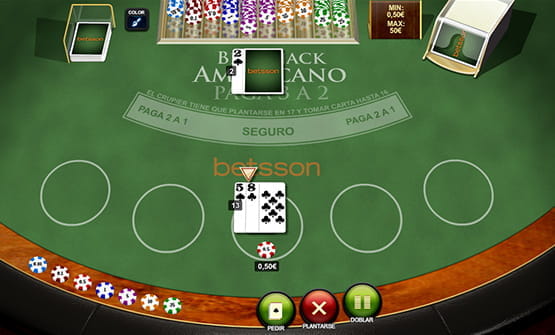
- Ihren bei uns registrierten Benutzernamen oder die E-Mail-Adresse des Kontos.
- Eine treffende Betreffzeile, die den Kern beschreibt (zum Beispiel “Frage zur Auszahlung #12345”).
- Eine schrittweise Beschreibung des Problems mit allen wesentlichen Details.
- Datum und circa Uhrzeit, falls das Problem zu einem bestimmten Zeitpunkt auftrat.
- Den exakten Wortlaut von Fehlermeldungen oder einen Screenshot als Anhang.
Gründliche Selbsthilfe: Unser FAQ-Bereich
Meistens finden Sie die Antwort schneller selbst. Unser FAQ-Bereich fasst die Fragen, die unsere Spieler am meisten stellen, und erläutert sie ausführlich. Die Themen sind klar geordnet, sodass Sie auch jenseits der Support-Zeiten sofort erfolgreich werden.
Die Selbsthilfe schenkt allen Zeit. Wir betreuen die FAQs stets und optimieren sie neuen Funktionen oder geänderten Abläufen an. Die interne Suche arbeitet zuverlässig, und die Texte sind leicht und begreiflich geschrieben. Ein kurzer Blick rentiert sich bei allgemeinen Fragen immer.
Populäre Themen in unseren FAQs
In unseren FAQs dreht es sich um alles, was im Casinoalltag wichtig ist. Von technischen Tipps bis zu Service-Informationen ist alles dabei. Das sind die Kategorien, die am stärksten genutzt werden:
- Kontoerstellung & Verifikation:
- Ein- & Auszahlungen:
- Bonusangebote:
- Spielregeln & Verantwortung:
Datenschutz im Support
Ihre Sicherheit steht für uns an erster Stelle, das gilt auch für den Kundendienst. Sämtliche Kontakte im Live-Chat und per E-Mail finden statt über sichere Leitungen. Unsere geschulten Mitarbeiter des Teams werden Sie niemals nach Ihrem Passwort erkundigen. Für Identitätsprüfungen nutzen wir ausschließlich das geschützte Upload-System in Ihrem Account.
Wir verfahren mit Ihren Daten streng vertraulich um und halten uns an alle gesetzlichen Auflagen. Die genannten Maßnahmen sichern Sie vor nicht autorisierten Eingriffen und gewährleisten, dass nur Sie Änderungen an Ihrem Konto vornehmen können. Sie können sich sich darauf vertrauen, dass Ihre Anliegen in einem vertrauenswürdigen Kontext bearbeitet werden.
Wie Sie echte Morospin-Kommunikation unterscheiden
Um Sie vor Phishing zu bewahren, ist es wichtig, unsere echten Wege zu kennen. So unterscheiden Sie echte Nachrichten von uns von Täuschungen:
- Unser Live-Chat ist nur über unsere autoritäre Website
- E-Mails von uns schicken wir jederzeit von einer Adresse, die auf “morospin.eu.com” ausläuft.
- Wir bitten Sie niemals in einer E-Mail auf, Ihre Login-Daten per Reply oder in einem eingebetteten Eingabefeld zu teilen.
- Wichtige offizielle Mitteilungen finden sich stets auch im Posteingang Ihres Benutzerkontos.
Störungen rasch erkennen und beseitigen
Systembedingte Störungen sind unangenehm, haben aber oft eine simpel Ursache. Ehe Sie uns verständigen, vermögen Sie selbst ein paar grundlegende Checks vornehmen. Das erleichtert sehr, falls Sie dann doch unseren Support beanspruchen. Meistens beruht es an einer überholten Browser-Version oder lokalen Parametern.
Wir raten, immer die gegenwärtige Fassung Ihres Browsers zu nutzen und Cookies sowie JavaScript für unsere Seite zu erlauben. Eine stabile Internetverbindung ist selbstverständlich die Grundlage. Wenn ein Spiel nicht startet, nützt manchmal schon ein einfacher Neustart des Browsers.
Prüfliste bei häufigen technologiebedingten Störungen
Bei einer Störung arbeiten Sie am besten diese Liste ab. Oft lösen Sie das Problem damit sofort und sind in der Lage weiter spielen.
- Seite lädt nicht:
- Einzahlung nicht sichtbar:
- Spiel friert ein:
- Kann mich nicht anmelden:
Feedback: Wie Sie uns verbessern helfen
Ihre Meinung liegt uns am Herzen https://morospin.eu.com/. Sie offenbart uns, wo unsere Stärken liegen und wo wir aufholen müssen. Nach vielen Support-Kontakten haben Sie die Gelegenheit, unsere Arbeit zu beurteilen. Diese Bewertung ist von unschätzbarem Wert für uns.
Wir analysieren diese Bewertungen und bilden unser Team weiter. Auch direkte Ideen per E-Mail sind gern gesehen. Zusammen mit Ihnen verbessern wir den Morospin-Support kontinuierlich.