
Month: April 2026
How Crypto‑Powered Free Spins Turned a Niche iGaming Platform into a Black‑Friday Jackpot Phenomenon
The rise of cryptocurrency in online gambling has reshaped how operators attract and retain players. Crypto‑based promotions—especially free‑spin offers funded with Bitcoin or stablecoins—promise instant value, borderless access, and provable fairness, all of which resonate with a tech‑savvy audience. When Black Friday arrived this year, the combination of deep discounts and a surge in disposable income created a perfect storm for high‑stakes spin campaigns.
If you’re hunting for the best online casinos Kuwait, the strategies outlined here illustrate why crypto‑friendly sites are rapidly climbing the rankings. Al Hashed, a well‑known portal for regional casino information, lists many of these platforms as part of its resource guide, giving players a convenient place to compare offers.
In this case study we dissect a mid‑size iGaming operator that introduced Bitcoin‑backed free‑spin campaigns just before the holiday rush. By marrying a rigorously audited smart contract with a cloud‑native, auto‑scaling architecture, the operator turned a modest jackpot pool into a Black‑Friday phenomenon that paid out millions in BTC. The following sections break down the technical blueprint, the RNG integration, the scaling strategy, and the marketing automation that together powered the success.
1. The Crypto‑Free‑Spin Blueprint: From Concept to Code
Crypto free spins differ from traditional fiat offers in two key ways: the bonus value is denominated in a programmable digital asset, and the redemption logic lives on‑chain rather than in a back‑office ledger. This shift allows players to claim winnings instantly, while operators gain transparency that builds trust among skeptical regulators.
The product‑management workflow began with market research that identified a gap in the Arabic‑speaking market, where players sought low‑fee, fast‑settlement bonuses. The team then drafted token‑economics: each free spin would cost 0.00002 BTC to wager, with a 5 % contribution to a progressive jackpot pool. The feature spec called for a “one‑click” claim button, on‑chain verification, and a fallback fiat conversion path for players without a crypto wallet.
The technical stack reflects modern micro‑service design. The backend runs on Node.js, exposing REST endpoints that interact with a Solidity smart contract deployed on the Bitcoin‑compatible RSK sidechain. The front‑end is built with React, delivering a responsive spin interface that pulls real‑time odds from the server. Player profiles, spin histories, and KYC data reside in PostgreSQL, partitioned by region to meet data‑locality requirements.
Seeding the jackpot pool involves moving a predetermined amount of Bitcoin into a multi‑signature wallet controlled by the operator and a third‑party escrow service. The wallet’s address is hard‑coded into the smart contract, ensuring that only contract‑approved payouts can withdraw funds. This design eliminates the need for manual reconciliation and reduces the risk of human error during high‑volume periods.
2. Smart‑Contract Mechanics Behind the Jackpot
At the heart of the promotion lies a Solidity contract named BTCFreeSpinJackpot. Its primary responsibilities are to record each spin outcome, update the cumulative jackpot balance, and trigger a payout when a winning condition is met. The contract stores a mapping of player addresses to their spin counters, and a global variable jackpotBalance that reflects the total BTC locked for the prize.
When a player initiates a spin, the front‑end calls requestSpin(), which emits an event that the off‑chain RNG service listens to. After the RNG returns a signed seed, the contract executes resolveSpin(uint256 seed). The function calculates a pseudo‑random number using the seed combined with the block hash, then determines whether the spin hits the jackpot threshold (e.g., a 1‑in‑10,000 chance). If successful, triggerPayout(address winner) transfers the entire jackpotBalance to the winner’s address via a low‑level call to avoid re‑entrancy.
During Black‑Friday traffic spikes, gas costs could have crippled the experience. To keep fees low, the developers employed several optimizations: using uint32 for counters instead of uint256, packing multiple variables into a single storage slot, and batching non‑critical state updates into a separate “maintenance” function that runs off‑peak.
Security was paramount. The contract underwent a third‑party audit by a reputable blockchain security firm, followed by formal verification using the Certora platform to prove that no path could leak funds. A bug‑bounty program with a $15,000 reward pool attracted white‑hat hunters who identified a minor replay‑attack vector, which was patched before launch.
Provable fairness is achieved by linking the contract to the casino’s RNG API. The RNG service signs its seed with a known public key, and the contract stores the signature on‑chain. Players can retrieve the signature and verify the seed against the block hash, confirming that the outcome was not tampered with after the spin was submitted.
3. Provable Fairness and Random Number Generation (RNG) Integration
The operator adopted a hybrid RNG model that blends on‑chain entropy with server‑side randomness. First, the contract captures the current block hash, an immutable value that cannot be predicted by the casino. Second, the off‑chain RNG service adds high‑resolution entropy (e.g., a cryptographically secure random number generated by a hardware security module). The final seed is the keccak‑256 hash of the concatenation of block hash and server entropy.
Players can verify a spin by navigating to the “Spin History” page, where the UI displays three items: the block number, the server‑generated nonce, and the contract‑stored signature. By copying these values into a simple verification tool—available on the operator’s site—players can recompute the seed and confirm that the resulting outcome matches the displayed result.
Compared with traditional casino RNG certifications such as eGaming Labs or iTech, the hybrid model offers on‑chain transparency without sacrificing the statistical robustness of a hardware RNG. While legacy RNGs rely on periodic audits, the blockchain approach provides continuous, tamper‑evident proof that each spin was generated fairly.
| Feature | Hybrid On‑Chain RNG | Traditional RNG (eGaming Labs) |
|---|---|---|
| Transparency | Public, verifiable on‑chain | Private, audit‑based |
| Latency | Sub‑second (depends on block time) | Milliseconds |
| Regulatory acceptance | Growing, especially in crypto‑friendly jurisdictions | Established worldwide |
| Player trust | Built via on‑chain proof | Built via third‑party certificates |
4. Scaling Infrastructure for a Black‑Friday Traffic Surge
To survive the Black‑Friday rush, the operator migrated to a cloud‑native architecture built on Kubernetes. Each micro‑service—API gateway, spin engine, RNG listener, and analytics collector—runs in its own pod, allowing horizontal auto‑scaling based on CPU and request latency metrics. The cluster sits behind an external load balancer that distributes traffic across three availability zones, ensuring no single point of failure.
Static assets such as game sprites and promotional banners are cached on a CDN with edge nodes in the Middle East, reducing round‑trip time for players in Kuwait and surrounding regions.
Database sharding is essential for handling millions of spin logs per hour. The PostgreSQL cluster is partitioned by player region and by day, with each shard hosted on a dedicated read‑replica. Writes are directed to the primary shard, while analytics queries run on replicas, keeping transaction latency under 150 ms even at peak load.
Real‑time monitoring relies on Prometheus metrics scraped from each pod, visualized in Grafana dashboards that display request rates, error ratios, and blockchain transaction throughput. Alerts trigger automatic scaling actions when CPU usage exceeds 70 % or when pending transaction queues grow beyond 200.
The failover plan includes hot‑standby nodes in a secondary cloud provider. In the event of a regional outage, traffic is rerouted via DNS failover to the backup cluster, preserving uptime above the industry‑standard 99.9 % SLA.
5. Marketing Automation: Triggering Free Spins at the Right Moment
The promotion’s success hinged on delivering the right offer to the right player at the perfect time. An event‑driven pipeline built on Apache Kafka streams ingests user actions—logins, deposit events, and spin outcomes—in real time. Each event is evaluated by a rule engine that scores the player’s propensity to engage with a free‑spin offer.
The dynamic offer engine then selects a variant from a pre‑tested pool:
- 10 free spins with a 0.00002 BTC wager requirement
- 20 free spins with a 0.000015 BTC wager requirement
- 30 free spins with a 0.00001 BTC wager requirement
A/B testing runs continuously, measuring conversion rate, average bet per player, and jackpot hit frequency for each variant. The winning configuration during Black Friday was the 20‑spin package, which delivered a 12 % lift in deposit conversion compared with the baseline.
Offers are pushed through multiple channels: in‑app banners appear the moment a player reaches a threshold of 5 minutes of gameplay, while personalized emails and SMS messages are scheduled for 8 PM GMT, aligning with peak activity in the Gulf region.
Key performance indicators tracked include:
- Conversion rate from free‑spin claim to first real‑money bet
- Average revenue per active user (ARPU) during the promotion window
- Jackpot hit frequency (target: 1 win per 10,000 spins)
6. Financial Flow: Converting Bitcoin Wins into Player Payouts
When a player hits the jackpot, the smart contract initiates an on‑chain transfer of the accumulated BTC to the winner’s wallet address. The transaction is recorded on the RSK sidechain, then relayed to the Bitcoin mainnet via a two‑step bridge that finalizes the payout in less than ten minutes.
To protect players from Bitcoin’s price volatility during the withdrawal process, the operator offers an optional stablecoin bridge. Upon claim, the system automatically swaps the BTC for USDT using a decentralized exchange aggregator, then credits the player’s fiat‑linked account at a 1:1 rate (minus a 0.2 % bridge fee). This approach ensures that a 0.5 BTC jackpot retains its USD value even if the market dips during the settlement window.
Compliance is baked into the withdrawal pipeline. AML checks run against the player’s KYC profile, and any transaction exceeding $10,000 triggers a manual review. The system also logs the source of funds, referencing the original deposit transaction hash for auditability.
Cost analysis shows that average on‑chain transaction fees during Black Friday hovered around 0.000005 BTC per payout, translating to roughly $0.10 per win. When compared to the $5–$10 cost of traditional fiat payouts (bank fees, chargebacks), the crypto route delivered a 95 % reduction in operational expense, directly boosting the player acquisition ROI.
7. Lessons Learned & Replicable Strategies for Other Operators
The Black‑Friday case study highlights several non‑negotiable pillars for a successful crypto‑free‑spin jackpot:
- Audit‑ready contracts: Independent security audits, formal verification, and active bug‑bounty programs prevent costly exploits.
- Scalable cloud design: Kubernetes auto‑scaling, sharded databases, and multi‑region failover keep latency low during traffic spikes.
- Data‑driven marketing: Real‑time event streams and dynamic offer engines enable precise timing of bonuses, increasing conversion.
Common pitfalls emerged early on. The team initially seeded the jackpot entirely in Bitcoin, exposing the pool to price swings that threatened profitability. The solution was to allocate 60 % of the pool in a stablecoin bridge, preserving value while still offering a “Bitcoin‑style” experience. Another issue was occasional latency spikes when the RNG service experienced block‑time delays; caching the previous block hash and fallback to a secondary entropy source mitigated this risk.
A practical checklist for operators looking to replicate the model:
- Conduct a token‑economics feasibility study specific to target markets (e.g., Arabic support).
- Choose a blockchain with low transaction fees and mature smart‑contract tooling.
- Implement a hybrid RNG that combines on‑chain and off‑chain entropy.
- Deploy a Kubernetes‑based micro‑service architecture with auto‑scaling rules tied to spin volume.
- Set up a Kafka‑driven marketing engine capable of real‑time offer personalization.
- Integrate AML/KYC checks into the withdrawal pipeline and provide stablecoin conversion options.
Looking ahead, the operator is experimenting with NFT‑based spin bonuses that grant holders exclusive multiplier tiers, and with cross‑platform integrations that allow players to earn free spins by staking tokens on partner DeFi protocols. These innovations promise to keep the free‑spin jackpot model fresh and adaptable beyond Bitcoin, opening doors to a broader ecosystem of programmable assets.
Conclusion
By coupling a rigorously audited smart contract with a cloud‑native, auto‑scaling infrastructure, the mid‑size iGaming operator transformed a modest Bitcoin‑seeded jackpot into a Black‑Friday blockbuster. The technical discipline—provable fairness, low‑latency RNG, and data‑driven marketing—provided a competitive edge that traditional fiat‑only promotions lack.
Operators seeking similar breakthroughs can adapt the blueprint to any programmable asset, whether Bitcoin, Ethereum, or a bespoke token. The key lies in marrying blockchain transparency with high‑velocity, player‑centric execution. As crypto‑enabled casino promotions continue to evolve, the blend of smart contracts, scalable architecture, and intelligent automation will define the next generation of online gambling experiences.
For further reading on regional casino resources, consider visiting Al Hashed, which aggregates information on online casinos, gaming bonuses, and Arabic support for players across Kuwait and the Gulf.
How Crypto‑Powered Free Spins Turned a Niche iGaming Platform into a Black‑Friday Jackpot Phenomenon
The rise of cryptocurrency in online gambling has reshaped how operators attract and retain players. Crypto‑based promotions—especially free‑spin offers funded with Bitcoin or stablecoins—promise instant value, borderless access, and provable fairness, all of which resonate with a tech‑savvy audience. When Black Friday arrived this year, the combination of deep discounts and a surge in disposable income created a perfect storm for high‑stakes spin campaigns.
If you’re hunting for the best online casinos Kuwait, the strategies outlined here illustrate why crypto‑friendly sites are rapidly climbing the rankings. Al Hashed, a well‑known portal for regional casino information, lists many of these platforms as part of its resource guide, giving players a convenient place to compare offers.
In this case study we dissect a mid‑size iGaming operator that introduced Bitcoin‑backed free‑spin campaigns just before the holiday rush. By marrying a rigorously audited smart contract with a cloud‑native, auto‑scaling architecture, the operator turned a modest jackpot pool into a Black‑Friday phenomenon that paid out millions in BTC. The following sections break down the technical blueprint, the RNG integration, the scaling strategy, and the marketing automation that together powered the success.
1. The Crypto‑Free‑Spin Blueprint: From Concept to Code
Crypto free spins differ from traditional fiat offers in two key ways: the bonus value is denominated in a programmable digital asset, and the redemption logic lives on‑chain rather than in a back‑office ledger. This shift allows players to claim winnings instantly, while operators gain transparency that builds trust among skeptical regulators.
The product‑management workflow began with market research that identified a gap in the Arabic‑speaking market, where players sought low‑fee, fast‑settlement bonuses. The team then drafted token‑economics: each free spin would cost 0.00002 BTC to wager, with a 5 % contribution to a progressive jackpot pool. The feature spec called for a “one‑click” claim button, on‑chain verification, and a fallback fiat conversion path for players without a crypto wallet.
The technical stack reflects modern micro‑service design. The backend runs on Node.js, exposing REST endpoints that interact with a Solidity smart contract deployed on the Bitcoin‑compatible RSK sidechain. The front‑end is built with React, delivering a responsive spin interface that pulls real‑time odds from the server. Player profiles, spin histories, and KYC data reside in PostgreSQL, partitioned by region to meet data‑locality requirements.
Seeding the jackpot pool involves moving a predetermined amount of Bitcoin into a multi‑signature wallet controlled by the operator and a third‑party escrow service. The wallet’s address is hard‑coded into the smart contract, ensuring that only contract‑approved payouts can withdraw funds. This design eliminates the need for manual reconciliation and reduces the risk of human error during high‑volume periods.
2. Smart‑Contract Mechanics Behind the Jackpot
At the heart of the promotion lies a Solidity contract named BTCFreeSpinJackpot. Its primary responsibilities are to record each spin outcome, update the cumulative jackpot balance, and trigger a payout when a winning condition is met. The contract stores a mapping of player addresses to their spin counters, and a global variable jackpotBalance that reflects the total BTC locked for the prize.
When a player initiates a spin, the front‑end calls requestSpin(), which emits an event that the off‑chain RNG service listens to. After the RNG returns a signed seed, the contract executes resolveSpin(uint256 seed). The function calculates a pseudo‑random number using the seed combined with the block hash, then determines whether the spin hits the jackpot threshold (e.g., a 1‑in‑10,000 chance). If successful, triggerPayout(address winner) transfers the entire jackpotBalance to the winner’s address via a low‑level call to avoid re‑entrancy.
During Black‑Friday traffic spikes, gas costs could have crippled the experience. To keep fees low, the developers employed several optimizations: using uint32 for counters instead of uint256, packing multiple variables into a single storage slot, and batching non‑critical state updates into a separate “maintenance” function that runs off‑peak.
Security was paramount. The contract underwent a third‑party audit by a reputable blockchain security firm, followed by formal verification using the Certora platform to prove that no path could leak funds. A bug‑bounty program with a $15,000 reward pool attracted white‑hat hunters who identified a minor replay‑attack vector, which was patched before launch.
Provable fairness is achieved by linking the contract to the casino’s RNG API. The RNG service signs its seed with a known public key, and the contract stores the signature on‑chain. Players can retrieve the signature and verify the seed against the block hash, confirming that the outcome was not tampered with after the spin was submitted.
3. Provable Fairness and Random Number Generation (RNG) Integration
The operator adopted a hybrid RNG model that blends on‑chain entropy with server‑side randomness. First, the contract captures the current block hash, an immutable value that cannot be predicted by the casino. Second, the off‑chain RNG service adds high‑resolution entropy (e.g., a cryptographically secure random number generated by a hardware security module). The final seed is the keccak‑256 hash of the concatenation of block hash and server entropy.
Players can verify a spin by navigating to the “Spin History” page, where the UI displays three items: the block number, the server‑generated nonce, and the contract‑stored signature. By copying these values into a simple verification tool—available on the operator’s site—players can recompute the seed and confirm that the resulting outcome matches the displayed result.
Compared with traditional casino RNG certifications such as eGaming Labs or iTech, the hybrid model offers on‑chain transparency without sacrificing the statistical robustness of a hardware RNG. While legacy RNGs rely on periodic audits, the blockchain approach provides continuous, tamper‑evident proof that each spin was generated fairly.
| Feature | Hybrid On‑Chain RNG | Traditional RNG (eGaming Labs) |
|---|---|---|
| Transparency | Public, verifiable on‑chain | Private, audit‑based |
| Latency | Sub‑second (depends on block time) | Milliseconds |
| Regulatory acceptance | Growing, especially in crypto‑friendly jurisdictions | Established worldwide |
| Player trust | Built via on‑chain proof | Built via third‑party certificates |
4. Scaling Infrastructure for a Black‑Friday Traffic Surge
To survive the Black‑Friday rush, the operator migrated to a cloud‑native architecture built on Kubernetes. Each micro‑service—API gateway, spin engine, RNG listener, and analytics collector—runs in its own pod, allowing horizontal auto‑scaling based on CPU and request latency metrics. The cluster sits behind an external load balancer that distributes traffic across three availability zones, ensuring no single point of failure.
Static assets such as game sprites and promotional banners are cached on a CDN with edge nodes in the Middle East, reducing round‑trip time for players in Kuwait and surrounding regions.
Database sharding is essential for handling millions of spin logs per hour. The PostgreSQL cluster is partitioned by player region and by day, with each shard hosted on a dedicated read‑replica. Writes are directed to the primary shard, while analytics queries run on replicas, keeping transaction latency under 150 ms even at peak load.
Real‑time monitoring relies on Prometheus metrics scraped from each pod, visualized in Grafana dashboards that display request rates, error ratios, and blockchain transaction throughput. Alerts trigger automatic scaling actions when CPU usage exceeds 70 % or when pending transaction queues grow beyond 200.
The failover plan includes hot‑standby nodes in a secondary cloud provider. In the event of a regional outage, traffic is rerouted via DNS failover to the backup cluster, preserving uptime above the industry‑standard 99.9 % SLA.
5. Marketing Automation: Triggering Free Spins at the Right Moment
The promotion’s success hinged on delivering the right offer to the right player at the perfect time. An event‑driven pipeline built on Apache Kafka streams ingests user actions—logins, deposit events, and spin outcomes—in real time. Each event is evaluated by a rule engine that scores the player’s propensity to engage with a free‑spin offer.
The dynamic offer engine then selects a variant from a pre‑tested pool:
- 10 free spins with a 0.00002 BTC wager requirement
- 20 free spins with a 0.000015 BTC wager requirement
- 30 free spins with a 0.00001 BTC wager requirement
A/B testing runs continuously, measuring conversion rate, average bet per player, and jackpot hit frequency for each variant. The winning configuration during Black Friday was the 20‑spin package, which delivered a 12 % lift in deposit conversion compared with the baseline.
Offers are pushed through multiple channels: in‑app banners appear the moment a player reaches a threshold of 5 minutes of gameplay, while personalized emails and SMS messages are scheduled for 8 PM GMT, aligning with peak activity in the Gulf region.
Key performance indicators tracked include:
- Conversion rate from free‑spin claim to first real‑money bet
- Average revenue per active user (ARPU) during the promotion window
- Jackpot hit frequency (target: 1 win per 10,000 spins)
6. Financial Flow: Converting Bitcoin Wins into Player Payouts
When a player hits the jackpot, the smart contract initiates an on‑chain transfer of the accumulated BTC to the winner’s wallet address. The transaction is recorded on the RSK sidechain, then relayed to the Bitcoin mainnet via a two‑step bridge that finalizes the payout in less than ten minutes.
To protect players from Bitcoin’s price volatility during the withdrawal process, the operator offers an optional stablecoin bridge. Upon claim, the system automatically swaps the BTC for USDT using a decentralized exchange aggregator, then credits the player’s fiat‑linked account at a 1:1 rate (minus a 0.2 % bridge fee). This approach ensures that a 0.5 BTC jackpot retains its USD value even if the market dips during the settlement window.
Compliance is baked into the withdrawal pipeline. AML checks run against the player’s KYC profile, and any transaction exceeding $10,000 triggers a manual review. The system also logs the source of funds, referencing the original deposit transaction hash for auditability.
Cost analysis shows that average on‑chain transaction fees during Black Friday hovered around 0.000005 BTC per payout, translating to roughly $0.10 per win. When compared to the $5–$10 cost of traditional fiat payouts (bank fees, chargebacks), the crypto route delivered a 95 % reduction in operational expense, directly boosting the player acquisition ROI.
7. Lessons Learned & Replicable Strategies for Other Operators
The Black‑Friday case study highlights several non‑negotiable pillars for a successful crypto‑free‑spin jackpot:
- Audit‑ready contracts: Independent security audits, formal verification, and active bug‑bounty programs prevent costly exploits.
- Scalable cloud design: Kubernetes auto‑scaling, sharded databases, and multi‑region failover keep latency low during traffic spikes.
- Data‑driven marketing: Real‑time event streams and dynamic offer engines enable precise timing of bonuses, increasing conversion.
Common pitfalls emerged early on. The team initially seeded the jackpot entirely in Bitcoin, exposing the pool to price swings that threatened profitability. The solution was to allocate 60 % of the pool in a stablecoin bridge, preserving value while still offering a “Bitcoin‑style” experience. Another issue was occasional latency spikes when the RNG service experienced block‑time delays; caching the previous block hash and fallback to a secondary entropy source mitigated this risk.
A practical checklist for operators looking to replicate the model:
- Conduct a token‑economics feasibility study specific to target markets (e.g., Arabic support).
- Choose a blockchain with low transaction fees and mature smart‑contract tooling.
- Implement a hybrid RNG that combines on‑chain and off‑chain entropy.
- Deploy a Kubernetes‑based micro‑service architecture with auto‑scaling rules tied to spin volume.
- Set up a Kafka‑driven marketing engine capable of real‑time offer personalization.
- Integrate AML/KYC checks into the withdrawal pipeline and provide stablecoin conversion options.
Looking ahead, the operator is experimenting with NFT‑based spin bonuses that grant holders exclusive multiplier tiers, and with cross‑platform integrations that allow players to earn free spins by staking tokens on partner DeFi protocols. These innovations promise to keep the free‑spin jackpot model fresh and adaptable beyond Bitcoin, opening doors to a broader ecosystem of programmable assets.
Conclusion
By coupling a rigorously audited smart contract with a cloud‑native, auto‑scaling infrastructure, the mid‑size iGaming operator transformed a modest Bitcoin‑seeded jackpot into a Black‑Friday blockbuster. The technical discipline—provable fairness, low‑latency RNG, and data‑driven marketing—provided a competitive edge that traditional fiat‑only promotions lack.
Operators seeking similar breakthroughs can adapt the blueprint to any programmable asset, whether Bitcoin, Ethereum, or a bespoke token. The key lies in marrying blockchain transparency with high‑velocity, player‑centric execution. As crypto‑enabled casino promotions continue to evolve, the blend of smart contracts, scalable architecture, and intelligent automation will define the next generation of online gambling experiences.
For further reading on regional casino resources, consider visiting Al Hashed, which aggregates information on online casinos, gaming bonuses, and Arabic support for players across Kuwait and the Gulf.
How Crypto‑Powered Free Spins Turned a Niche iGaming Platform into a Black‑Friday Jackpot Phenomenon
The rise of cryptocurrency in online gambling has reshaped how operators attract and retain players. Crypto‑based promotions—especially free‑spin offers funded with Bitcoin or stablecoins—promise instant value, borderless access, and provable fairness, all of which resonate with a tech‑savvy audience. When Black Friday arrived this year, the combination of deep discounts and a surge in disposable income created a perfect storm for high‑stakes spin campaigns.
If you’re hunting for the best online casinos Kuwait, the strategies outlined here illustrate why crypto‑friendly sites are rapidly climbing the rankings. Al Hashed, a well‑known portal for regional casino information, lists many of these platforms as part of its resource guide, giving players a convenient place to compare offers.
In this case study we dissect a mid‑size iGaming operator that introduced Bitcoin‑backed free‑spin campaigns just before the holiday rush. By marrying a rigorously audited smart contract with a cloud‑native, auto‑scaling architecture, the operator turned a modest jackpot pool into a Black‑Friday phenomenon that paid out millions in BTC. The following sections break down the technical blueprint, the RNG integration, the scaling strategy, and the marketing automation that together powered the success.
1. The Crypto‑Free‑Spin Blueprint: From Concept to Code
Crypto free spins differ from traditional fiat offers in two key ways: the bonus value is denominated in a programmable digital asset, and the redemption logic lives on‑chain rather than in a back‑office ledger. This shift allows players to claim winnings instantly, while operators gain transparency that builds trust among skeptical regulators.
The product‑management workflow began with market research that identified a gap in the Arabic‑speaking market, where players sought low‑fee, fast‑settlement bonuses. The team then drafted token‑economics: each free spin would cost 0.00002 BTC to wager, with a 5 % contribution to a progressive jackpot pool. The feature spec called for a “one‑click” claim button, on‑chain verification, and a fallback fiat conversion path for players without a crypto wallet.
The technical stack reflects modern micro‑service design. The backend runs on Node.js, exposing REST endpoints that interact with a Solidity smart contract deployed on the Bitcoin‑compatible RSK sidechain. The front‑end is built with React, delivering a responsive spin interface that pulls real‑time odds from the server. Player profiles, spin histories, and KYC data reside in PostgreSQL, partitioned by region to meet data‑locality requirements.
Seeding the jackpot pool involves moving a predetermined amount of Bitcoin into a multi‑signature wallet controlled by the operator and a third‑party escrow service. The wallet’s address is hard‑coded into the smart contract, ensuring that only contract‑approved payouts can withdraw funds. This design eliminates the need for manual reconciliation and reduces the risk of human error during high‑volume periods.
2. Smart‑Contract Mechanics Behind the Jackpot
At the heart of the promotion lies a Solidity contract named BTCFreeSpinJackpot. Its primary responsibilities are to record each spin outcome, update the cumulative jackpot balance, and trigger a payout when a winning condition is met. The contract stores a mapping of player addresses to their spin counters, and a global variable jackpotBalance that reflects the total BTC locked for the prize.
When a player initiates a spin, the front‑end calls requestSpin(), which emits an event that the off‑chain RNG service listens to. After the RNG returns a signed seed, the contract executes resolveSpin(uint256 seed). The function calculates a pseudo‑random number using the seed combined with the block hash, then determines whether the spin hits the jackpot threshold (e.g., a 1‑in‑10,000 chance). If successful, triggerPayout(address winner) transfers the entire jackpotBalance to the winner’s address via a low‑level call to avoid re‑entrancy.
During Black‑Friday traffic spikes, gas costs could have crippled the experience. To keep fees low, the developers employed several optimizations: using uint32 for counters instead of uint256, packing multiple variables into a single storage slot, and batching non‑critical state updates into a separate “maintenance” function that runs off‑peak.
Security was paramount. The contract underwent a third‑party audit by a reputable blockchain security firm, followed by formal verification using the Certora platform to prove that no path could leak funds. A bug‑bounty program with a $15,000 reward pool attracted white‑hat hunters who identified a minor replay‑attack vector, which was patched before launch.
Provable fairness is achieved by linking the contract to the casino’s RNG API. The RNG service signs its seed with a known public key, and the contract stores the signature on‑chain. Players can retrieve the signature and verify the seed against the block hash, confirming that the outcome was not tampered with after the spin was submitted.
3. Provable Fairness and Random Number Generation (RNG) Integration
The operator adopted a hybrid RNG model that blends on‑chain entropy with server‑side randomness. First, the contract captures the current block hash, an immutable value that cannot be predicted by the casino. Second, the off‑chain RNG service adds high‑resolution entropy (e.g., a cryptographically secure random number generated by a hardware security module). The final seed is the keccak‑256 hash of the concatenation of block hash and server entropy.
Players can verify a spin by navigating to the “Spin History” page, where the UI displays three items: the block number, the server‑generated nonce, and the contract‑stored signature. By copying these values into a simple verification tool—available on the operator’s site—players can recompute the seed and confirm that the resulting outcome matches the displayed result.
Compared with traditional casino RNG certifications such as eGaming Labs or iTech, the hybrid model offers on‑chain transparency without sacrificing the statistical robustness of a hardware RNG. While legacy RNGs rely on periodic audits, the blockchain approach provides continuous, tamper‑evident proof that each spin was generated fairly.
| Feature | Hybrid On‑Chain RNG | Traditional RNG (eGaming Labs) |
|---|---|---|
| Transparency | Public, verifiable on‑chain | Private, audit‑based |
| Latency | Sub‑second (depends on block time) | Milliseconds |
| Regulatory acceptance | Growing, especially in crypto‑friendly jurisdictions | Established worldwide |
| Player trust | Built via on‑chain proof | Built via third‑party certificates |
4. Scaling Infrastructure for a Black‑Friday Traffic Surge
To survive the Black‑Friday rush, the operator migrated to a cloud‑native architecture built on Kubernetes. Each micro‑service—API gateway, spin engine, RNG listener, and analytics collector—runs in its own pod, allowing horizontal auto‑scaling based on CPU and request latency metrics. The cluster sits behind an external load balancer that distributes traffic across three availability zones, ensuring no single point of failure.
Static assets such as game sprites and promotional banners are cached on a CDN with edge nodes in the Middle East, reducing round‑trip time for players in Kuwait and surrounding regions.
Database sharding is essential for handling millions of spin logs per hour. The PostgreSQL cluster is partitioned by player region and by day, with each shard hosted on a dedicated read‑replica. Writes are directed to the primary shard, while analytics queries run on replicas, keeping transaction latency under 150 ms even at peak load.
Real‑time monitoring relies on Prometheus metrics scraped from each pod, visualized in Grafana dashboards that display request rates, error ratios, and blockchain transaction throughput. Alerts trigger automatic scaling actions when CPU usage exceeds 70 % or when pending transaction queues grow beyond 200.
The failover plan includes hot‑standby nodes in a secondary cloud provider. In the event of a regional outage, traffic is rerouted via DNS failover to the backup cluster, preserving uptime above the industry‑standard 99.9 % SLA.
5. Marketing Automation: Triggering Free Spins at the Right Moment
The promotion’s success hinged on delivering the right offer to the right player at the perfect time. An event‑driven pipeline built on Apache Kafka streams ingests user actions—logins, deposit events, and spin outcomes—in real time. Each event is evaluated by a rule engine that scores the player’s propensity to engage with a free‑spin offer.
The dynamic offer engine then selects a variant from a pre‑tested pool:
- 10 free spins with a 0.00002 BTC wager requirement
- 20 free spins with a 0.000015 BTC wager requirement
- 30 free spins with a 0.00001 BTC wager requirement
A/B testing runs continuously, measuring conversion rate, average bet per player, and jackpot hit frequency for each variant. The winning configuration during Black Friday was the 20‑spin package, which delivered a 12 % lift in deposit conversion compared with the baseline.
Offers are pushed through multiple channels: in‑app banners appear the moment a player reaches a threshold of 5 minutes of gameplay, while personalized emails and SMS messages are scheduled for 8 PM GMT, aligning with peak activity in the Gulf region.
Key performance indicators tracked include:
- Conversion rate from free‑spin claim to first real‑money bet
- Average revenue per active user (ARPU) during the promotion window
- Jackpot hit frequency (target: 1 win per 10,000 spins)
6. Financial Flow: Converting Bitcoin Wins into Player Payouts
When a player hits the jackpot, the smart contract initiates an on‑chain transfer of the accumulated BTC to the winner’s wallet address. The transaction is recorded on the RSK sidechain, then relayed to the Bitcoin mainnet via a two‑step bridge that finalizes the payout in less than ten minutes.
To protect players from Bitcoin’s price volatility during the withdrawal process, the operator offers an optional stablecoin bridge. Upon claim, the system automatically swaps the BTC for USDT using a decentralized exchange aggregator, then credits the player’s fiat‑linked account at a 1:1 rate (minus a 0.2 % bridge fee). This approach ensures that a 0.5 BTC jackpot retains its USD value even if the market dips during the settlement window.
Compliance is baked into the withdrawal pipeline. AML checks run against the player’s KYC profile, and any transaction exceeding $10,000 triggers a manual review. The system also logs the source of funds, referencing the original deposit transaction hash for auditability.
Cost analysis shows that average on‑chain transaction fees during Black Friday hovered around 0.000005 BTC per payout, translating to roughly $0.10 per win. When compared to the $5–$10 cost of traditional fiat payouts (bank fees, chargebacks), the crypto route delivered a 95 % reduction in operational expense, directly boosting the player acquisition ROI.
7. Lessons Learned & Replicable Strategies for Other Operators
The Black‑Friday case study highlights several non‑negotiable pillars for a successful crypto‑free‑spin jackpot:
- Audit‑ready contracts: Independent security audits, formal verification, and active bug‑bounty programs prevent costly exploits.
- Scalable cloud design: Kubernetes auto‑scaling, sharded databases, and multi‑region failover keep latency low during traffic spikes.
- Data‑driven marketing: Real‑time event streams and dynamic offer engines enable precise timing of bonuses, increasing conversion.
Common pitfalls emerged early on. The team initially seeded the jackpot entirely in Bitcoin, exposing the pool to price swings that threatened profitability. The solution was to allocate 60 % of the pool in a stablecoin bridge, preserving value while still offering a “Bitcoin‑style” experience. Another issue was occasional latency spikes when the RNG service experienced block‑time delays; caching the previous block hash and fallback to a secondary entropy source mitigated this risk.
A practical checklist for operators looking to replicate the model:
- Conduct a token‑economics feasibility study specific to target markets (e.g., Arabic support).
- Choose a blockchain with low transaction fees and mature smart‑contract tooling.
- Implement a hybrid RNG that combines on‑chain and off‑chain entropy.
- Deploy a Kubernetes‑based micro‑service architecture with auto‑scaling rules tied to spin volume.
- Set up a Kafka‑driven marketing engine capable of real‑time offer personalization.
- Integrate AML/KYC checks into the withdrawal pipeline and provide stablecoin conversion options.
Looking ahead, the operator is experimenting with NFT‑based spin bonuses that grant holders exclusive multiplier tiers, and with cross‑platform integrations that allow players to earn free spins by staking tokens on partner DeFi protocols. These innovations promise to keep the free‑spin jackpot model fresh and adaptable beyond Bitcoin, opening doors to a broader ecosystem of programmable assets.
Conclusion
By coupling a rigorously audited smart contract with a cloud‑native, auto‑scaling infrastructure, the mid‑size iGaming operator transformed a modest Bitcoin‑seeded jackpot into a Black‑Friday blockbuster. The technical discipline—provable fairness, low‑latency RNG, and data‑driven marketing—provided a competitive edge that traditional fiat‑only promotions lack.
Operators seeking similar breakthroughs can adapt the blueprint to any programmable asset, whether Bitcoin, Ethereum, or a bespoke token. The key lies in marrying blockchain transparency with high‑velocity, player‑centric execution. As crypto‑enabled casino promotions continue to evolve, the blend of smart contracts, scalable architecture, and intelligent automation will define the next generation of online gambling experiences.
For further reading on regional casino resources, consider visiting Al Hashed, which aggregates information on online casinos, gaming bonuses, and Arabic support for players across Kuwait and the Gulf.
How Crypto‑Powered Free Spins Turned a Niche iGaming Platform into a Black‑Friday Jackpot Phenomenon
The rise of cryptocurrency in online gambling has reshaped how operators attract and retain players. Crypto‑based promotions—especially free‑spin offers funded with Bitcoin or stablecoins—promise instant value, borderless access, and provable fairness, all of which resonate with a tech‑savvy audience. When Black Friday arrived this year, the combination of deep discounts and a surge in disposable income created a perfect storm for high‑stakes spin campaigns.
If you’re hunting for the best online casinos Kuwait, the strategies outlined here illustrate why crypto‑friendly sites are rapidly climbing the rankings. Al Hashed, a well‑known portal for regional casino information, lists many of these platforms as part of its resource guide, giving players a convenient place to compare offers.
In this case study we dissect a mid‑size iGaming operator that introduced Bitcoin‑backed free‑spin campaigns just before the holiday rush. By marrying a rigorously audited smart contract with a cloud‑native, auto‑scaling architecture, the operator turned a modest jackpot pool into a Black‑Friday phenomenon that paid out millions in BTC. The following sections break down the technical blueprint, the RNG integration, the scaling strategy, and the marketing automation that together powered the success.
1. The Crypto‑Free‑Spin Blueprint: From Concept to Code
Crypto free spins differ from traditional fiat offers in two key ways: the bonus value is denominated in a programmable digital asset, and the redemption logic lives on‑chain rather than in a back‑office ledger. This shift allows players to claim winnings instantly, while operators gain transparency that builds trust among skeptical regulators.
The product‑management workflow began with market research that identified a gap in the Arabic‑speaking market, where players sought low‑fee, fast‑settlement bonuses. The team then drafted token‑economics: each free spin would cost 0.00002 BTC to wager, with a 5 % contribution to a progressive jackpot pool. The feature spec called for a “one‑click” claim button, on‑chain verification, and a fallback fiat conversion path for players without a crypto wallet.
The technical stack reflects modern micro‑service design. The backend runs on Node.js, exposing REST endpoints that interact with a Solidity smart contract deployed on the Bitcoin‑compatible RSK sidechain. The front‑end is built with React, delivering a responsive spin interface that pulls real‑time odds from the server. Player profiles, spin histories, and KYC data reside in PostgreSQL, partitioned by region to meet data‑locality requirements.
Seeding the jackpot pool involves moving a predetermined amount of Bitcoin into a multi‑signature wallet controlled by the operator and a third‑party escrow service. The wallet’s address is hard‑coded into the smart contract, ensuring that only contract‑approved payouts can withdraw funds. This design eliminates the need for manual reconciliation and reduces the risk of human error during high‑volume periods.
2. Smart‑Contract Mechanics Behind the Jackpot
At the heart of the promotion lies a Solidity contract named BTCFreeSpinJackpot. Its primary responsibilities are to record each spin outcome, update the cumulative jackpot balance, and trigger a payout when a winning condition is met. The contract stores a mapping of player addresses to their spin counters, and a global variable jackpotBalance that reflects the total BTC locked for the prize.
When a player initiates a spin, the front‑end calls requestSpin(), which emits an event that the off‑chain RNG service listens to. After the RNG returns a signed seed, the contract executes resolveSpin(uint256 seed). The function calculates a pseudo‑random number using the seed combined with the block hash, then determines whether the spin hits the jackpot threshold (e.g., a 1‑in‑10,000 chance). If successful, triggerPayout(address winner) transfers the entire jackpotBalance to the winner’s address via a low‑level call to avoid re‑entrancy.
During Black‑Friday traffic spikes, gas costs could have crippled the experience. To keep fees low, the developers employed several optimizations: using uint32 for counters instead of uint256, packing multiple variables into a single storage slot, and batching non‑critical state updates into a separate “maintenance” function that runs off‑peak.
Security was paramount. The contract underwent a third‑party audit by a reputable blockchain security firm, followed by formal verification using the Certora platform to prove that no path could leak funds. A bug‑bounty program with a $15,000 reward pool attracted white‑hat hunters who identified a minor replay‑attack vector, which was patched before launch.
Provable fairness is achieved by linking the contract to the casino’s RNG API. The RNG service signs its seed with a known public key, and the contract stores the signature on‑chain. Players can retrieve the signature and verify the seed against the block hash, confirming that the outcome was not tampered with after the spin was submitted.
3. Provable Fairness and Random Number Generation (RNG) Integration
The operator adopted a hybrid RNG model that blends on‑chain entropy with server‑side randomness. First, the contract captures the current block hash, an immutable value that cannot be predicted by the casino. Second, the off‑chain RNG service adds high‑resolution entropy (e.g., a cryptographically secure random number generated by a hardware security module). The final seed is the keccak‑256 hash of the concatenation of block hash and server entropy.
Players can verify a spin by navigating to the “Spin History” page, where the UI displays three items: the block number, the server‑generated nonce, and the contract‑stored signature. By copying these values into a simple verification tool—available on the operator’s site—players can recompute the seed and confirm that the resulting outcome matches the displayed result.
Compared with traditional casino RNG certifications such as eGaming Labs or iTech, the hybrid model offers on‑chain transparency without sacrificing the statistical robustness of a hardware RNG. While legacy RNGs rely on periodic audits, the blockchain approach provides continuous, tamper‑evident proof that each spin was generated fairly.
| Feature | Hybrid On‑Chain RNG | Traditional RNG (eGaming Labs) |
|---|---|---|
| Transparency | Public, verifiable on‑chain | Private, audit‑based |
| Latency | Sub‑second (depends on block time) | Milliseconds |
| Regulatory acceptance | Growing, especially in crypto‑friendly jurisdictions | Established worldwide |
| Player trust | Built via on‑chain proof | Built via third‑party certificates |
4. Scaling Infrastructure for a Black‑Friday Traffic Surge
To survive the Black‑Friday rush, the operator migrated to a cloud‑native architecture built on Kubernetes. Each micro‑service—API gateway, spin engine, RNG listener, and analytics collector—runs in its own pod, allowing horizontal auto‑scaling based on CPU and request latency metrics. The cluster sits behind an external load balancer that distributes traffic across three availability zones, ensuring no single point of failure.
Static assets such as game sprites and promotional banners are cached on a CDN with edge nodes in the Middle East, reducing round‑trip time for players in Kuwait and surrounding regions.
Database sharding is essential for handling millions of spin logs per hour. The PostgreSQL cluster is partitioned by player region and by day, with each shard hosted on a dedicated read‑replica. Writes are directed to the primary shard, while analytics queries run on replicas, keeping transaction latency under 150 ms even at peak load.
Real‑time monitoring relies on Prometheus metrics scraped from each pod, visualized in Grafana dashboards that display request rates, error ratios, and blockchain transaction throughput. Alerts trigger automatic scaling actions when CPU usage exceeds 70 % or when pending transaction queues grow beyond 200.
The failover plan includes hot‑standby nodes in a secondary cloud provider. In the event of a regional outage, traffic is rerouted via DNS failover to the backup cluster, preserving uptime above the industry‑standard 99.9 % SLA.
5. Marketing Automation: Triggering Free Spins at the Right Moment
The promotion’s success hinged on delivering the right offer to the right player at the perfect time. An event‑driven pipeline built on Apache Kafka streams ingests user actions—logins, deposit events, and spin outcomes—in real time. Each event is evaluated by a rule engine that scores the player’s propensity to engage with a free‑spin offer.
The dynamic offer engine then selects a variant from a pre‑tested pool:
- 10 free spins with a 0.00002 BTC wager requirement
- 20 free spins with a 0.000015 BTC wager requirement
- 30 free spins with a 0.00001 BTC wager requirement
A/B testing runs continuously, measuring conversion rate, average bet per player, and jackpot hit frequency for each variant. The winning configuration during Black Friday was the 20‑spin package, which delivered a 12 % lift in deposit conversion compared with the baseline.
Offers are pushed through multiple channels: in‑app banners appear the moment a player reaches a threshold of 5 minutes of gameplay, while personalized emails and SMS messages are scheduled for 8 PM GMT, aligning with peak activity in the Gulf region.
Key performance indicators tracked include:
- Conversion rate from free‑spin claim to first real‑money bet
- Average revenue per active user (ARPU) during the promotion window
- Jackpot hit frequency (target: 1 win per 10,000 spins)
6. Financial Flow: Converting Bitcoin Wins into Player Payouts
When a player hits the jackpot, the smart contract initiates an on‑chain transfer of the accumulated BTC to the winner’s wallet address. The transaction is recorded on the RSK sidechain, then relayed to the Bitcoin mainnet via a two‑step bridge that finalizes the payout in less than ten minutes.
To protect players from Bitcoin’s price volatility during the withdrawal process, the operator offers an optional stablecoin bridge. Upon claim, the system automatically swaps the BTC for USDT using a decentralized exchange aggregator, then credits the player’s fiat‑linked account at a 1:1 rate (minus a 0.2 % bridge fee). This approach ensures that a 0.5 BTC jackpot retains its USD value even if the market dips during the settlement window.
Compliance is baked into the withdrawal pipeline. AML checks run against the player’s KYC profile, and any transaction exceeding $10,000 triggers a manual review. The system also logs the source of funds, referencing the original deposit transaction hash for auditability.
Cost analysis shows that average on‑chain transaction fees during Black Friday hovered around 0.000005 BTC per payout, translating to roughly $0.10 per win. When compared to the $5–$10 cost of traditional fiat payouts (bank fees, chargebacks), the crypto route delivered a 95 % reduction in operational expense, directly boosting the player acquisition ROI.
7. Lessons Learned & Replicable Strategies for Other Operators
The Black‑Friday case study highlights several non‑negotiable pillars for a successful crypto‑free‑spin jackpot:
- Audit‑ready contracts: Independent security audits, formal verification, and active bug‑bounty programs prevent costly exploits.
- Scalable cloud design: Kubernetes auto‑scaling, sharded databases, and multi‑region failover keep latency low during traffic spikes.
- Data‑driven marketing: Real‑time event streams and dynamic offer engines enable precise timing of bonuses, increasing conversion.
Common pitfalls emerged early on. The team initially seeded the jackpot entirely in Bitcoin, exposing the pool to price swings that threatened profitability. The solution was to allocate 60 % of the pool in a stablecoin bridge, preserving value while still offering a “Bitcoin‑style” experience. Another issue was occasional latency spikes when the RNG service experienced block‑time delays; caching the previous block hash and fallback to a secondary entropy source mitigated this risk.
A practical checklist for operators looking to replicate the model:
- Conduct a token‑economics feasibility study specific to target markets (e.g., Arabic support).
- Choose a blockchain with low transaction fees and mature smart‑contract tooling.
- Implement a hybrid RNG that combines on‑chain and off‑chain entropy.
- Deploy a Kubernetes‑based micro‑service architecture with auto‑scaling rules tied to spin volume.
- Set up a Kafka‑driven marketing engine capable of real‑time offer personalization.
- Integrate AML/KYC checks into the withdrawal pipeline and provide stablecoin conversion options.
Looking ahead, the operator is experimenting with NFT‑based spin bonuses that grant holders exclusive multiplier tiers, and with cross‑platform integrations that allow players to earn free spins by staking tokens on partner DeFi protocols. These innovations promise to keep the free‑spin jackpot model fresh and adaptable beyond Bitcoin, opening doors to a broader ecosystem of programmable assets.
Conclusion
By coupling a rigorously audited smart contract with a cloud‑native, auto‑scaling infrastructure, the mid‑size iGaming operator transformed a modest Bitcoin‑seeded jackpot into a Black‑Friday blockbuster. The technical discipline—provable fairness, low‑latency RNG, and data‑driven marketing—provided a competitive edge that traditional fiat‑only promotions lack.
Operators seeking similar breakthroughs can adapt the blueprint to any programmable asset, whether Bitcoin, Ethereum, or a bespoke token. The key lies in marrying blockchain transparency with high‑velocity, player‑centric execution. As crypto‑enabled casino promotions continue to evolve, the blend of smart contracts, scalable architecture, and intelligent automation will define the next generation of online gambling experiences.
For further reading on regional casino resources, consider visiting Al Hashed, which aggregates information on online casinos, gaming bonuses, and Arabic support for players across Kuwait and the Gulf.
VIP e Sport Betting: Come i Programmi di Fidelizzazione Trasformano i Giocatori in Campioni di Profitto
Negli ultimi cinque anni la crescita dei programmi VIP nei casinò online ha raggiunto livelli inaspettati, spingendo gli operatori a integrare la fedeltà anche nelle scommesse sportive. L’unione tra slot, roulette e sportsbook permette di tracciare un’unica identità di giocatore, creando percorsi di valore più lunghi e più remunerativi. In questo contesto la fedeltà non è più un semplice “premio di benvenuto”, ma un vero vantaggio competitivo: i membri VIP ricevono condizioni di gioco migliori, accesso a eventi esclusivi e un’assistenza personalizzata che può fare la differenza tra un bankroll stagnante e una crescita costante.
Scopri le offerte più vantaggiose con i tospin usdt casino bonuses e inizia subito a massimizzare il tuo bankroll.
Nel seguito analizzeremo la struttura tipica dei tier VIP, i benefici esclusivi, un caso di studio concreto, le tecniche di data‑driven personalization, i tornei VIP, i rischi da tenere sotto controllo e gli strumenti tecnologici più avanzati. Concluderemo con uno sguardo al futuro, dove gamification, NFT e metaverso ridefiniranno la fedeltà nel mondo del betting.
1. Struttura dei livelli VIP: dal “Bronzo” al “Black‑Diamond”
La maggior parte delle piattaforme ibride suddivide i membri in cinque tier: Bronzo, Argento, Oro, Platino e Black‑Diamond. Il livello iniziale, Bronzo, è accessibile già al primo deposito e richiede poco turnover, ma limita i bonus a un cashback del 5 % e a una soglia di prelievo di 2 000 €.
Salendo ad Argento, il giocatore deve accumulare almeno 10 000 € di turnover mensile o 12 000 punti fedeltà. Qui si sbloccano bonus di ricarica del 15 % e un limite di prelievo di 5 000 €. Oro richiede 30 000 € di turnover e 30 000 punti; i vantaggi includono un cashback del 20 %, un account manager dedicato e la possibilità di richiedere quote migliorate sui principali eventi sportivi.
Il tier Platino, riservato a chi supera i 70 000 € di turnover, offre un cashback del 25 %, prelievi illimitati, e inviti a eventi live come il Gran Premio di Formula 1. Infine, Black‑Diamond è il livello élite: solo il 0,5 % dei giocatori italiani lo raggiunge, con requisiti superiori a 150 000 € di turnover e 150 000 punti. I membri ricevono un “bet‑back” del 30 %, accesso a suite VIP di hotel 5 stelle, e quote fisse sui mercati più volatili.
| Tier | Turnover richiesto | Punti minimi | Cashback | Limite prelievo |
|---|---|---|---|---|
| Bronzo | 0 € | 0 | 5 % | 2 000 € |
| Argento | 10 000 € | 12 000 | 15 % | 5 000 € |
| Oro | 30 000 € | 30 000 | 20 % | Illimitato |
| Platino | 70 000 € | 70 000 | 25 % | Illimitato |
| Black‑Diamond | 150 000 € | 150 000 | 30 % | Illimitato |
1.1. Il sistema di “point‑earning” integrato con le scommesse sportive
Ogni puntata sportiva genera punti in proporzione alla puntata netta: 1 € scommesso = 1 punto VIP, mentre le slot pagano 0,5 punto per euro di turnover. I punti accumulati vengono poi convertiti in “upgrade credit” che accelerano la promozione di tier, soprattutto per i giocatori che combinano rapidamente scommesse live su calcio e basket con sessioni di slot ad alta volatilità.
1.2. Algoritmi di promozione automatica vs. revisione manuale
Gli algoritmi automatici valutano turnover, frequenza e valore medio delle scommesse, aggiornando il tier in tempo reale. Questo approccio è trasparente per il giocatore, ma può penalizzare picchi di attività di breve durata. La revisione manuale, invece, permette al team di risk management di tenere conto di fattori qualitativi (ad es. fedeltà a lungo termine o comportamenti di gioco responsabile) e di concedere promozioni “su misura”. Dal punto di vista del giocatore, l’automazione garantisce rapidità, mentre la revisione manuale offre opportunità di “bonus surprise” non previste dagli script.
2. Benefici esclusivi per i membri VIP: più che semplici bonus
I vantaggi VIP superano il classico “deposit bonus” e includono:
- Bonus personalizzati: cashback giornaliero fino al 30 %, reload del 20 % su depositi settimanali, e free bet di 50 € per eventi del weekend.
- Account manager dedicato: un responsabile che monitora le performance, suggerisce quote migliori e gestisce richieste di limiti di puntata.
- Limiti di prelievo più alti: i membri Platino e Black‑Diamond possono prelevare fino a 50 000 € al giorno, con tempi di pagamento prioritari (solitamente entro 2 h).
- Accesso a eventi sportivi dal vivo: biglietti VIP per la Champions League, accesso a lounge private durante le gare di tennis, e meet‑and‑greet con atleti.
2.1. “Bet‑back” e “Stake‑back” – meccaniche di rimborso specifiche per lo sport
Il “bet‑back” restituisce una percentuale della puntata persa su mercati selezionati (es. 10 % su scommesse a quota >2,5). Se un giocatore scommette 200 € su una partita di Serie A con quota 3,0 e perde, riceve 20 € di bet‑back, migliorando l’RTP percepito del 10 %.
Il “stake‑back” agisce sul capitale investito: su scommesse con rischio elevato (es. over/under 3,5 in una partita di calcio) il 5 % della stake viene restituito, indipendentemente dal risultato. Con una puntata di 500 € il giocatore ottiene 25 € di stake‑back, riducendo la volatilità del bankroll.
3. Analisi tecnica di un caso di successo: “Marco, il trader sportivo”
Marco, 34 anni, ex analista finanziario, ha iniziato a giocare su una piattaforma ibrida nel 2022. Preferisce le scommesse live su calcio e basket, ma dedica il 30 % del tempo alle slot a RTP 96,5 %. Dopo sei mesi nel tier Argento, ha aumentato il suo turnover settimanale a 3 000 €, accumulando 36 000 punti VIP.
Nel quarto trimestre del 2023 ha ottenuto la promozione a Oro grazie a una serie di depositi regolari e a un “bet‑back” del 15 % su scommesse over/under. Le metriche chiave sono:
- ROI passato da 2 % a 7,5 % grazie al cash‑back e alle free bet.
- Churn ridotto del 40 % grazie all’assistenza 24/7 e ai limiti di prelievo rapidi.
- Valore medio delle scommesse incrementato da 45 € a 120 € per puntata, supportato da quote migliorate offerte dal manager VIP.
Le strategie operative di Marco includono: gestione del bankroll con il 5 % del capitale per puntata, utilizzo del “stake‑back” per coprire le scommesse ad alta volatilità, e timing delle puntate nei momenti di “low market liquidity” per massimizzare le quote. Il risultato è una crescita costante del capitale, con un incremento del 150 % del bankroll in 12 mesi.
4. Come le piattaforme integrano i dati di gioco per ottimizzare le offerte VIP
Le piattaforme raccolgono dati da slot, roulette, blackjack e sportsbook tramite API interne. I log includono: tempo di gioco, RTP medio, quote scelte, risultato delle scommesse e interazioni con il supporto.
Con tecniche di machine learning, gli algoritmi calcolano il Lifetime Value (LTV) di ogni giocatore, segmentandolo in “high‑potential”, “steady” e “rischio churn”. Per esempio, un modello di clustering identifica i giocatori che combinano slot a bassa volatilità con scommesse live su calcio, suggerendo bonus di “free bet” mirati.
La personalizzazione dinamica avviene in tempo reale: se il sistema rileva una serie di perdite su una determinata liga, attiva un “bet‑back” temporaneo per riattivare l’interesse. Questo approccio data‑driven riduce il churn del 12 % e aumenta il valore medio delle scommesse del 8 %. Per approfondire questi meccanismi, i lettori possono consultare risorse come Chiesadipiedigrotta, che offre spiegazioni generali sui sistemi di raccolta dati nel settore del gioco d’azzardo.
5. Il ruolo dei “tournament‑only” e delle “league VIP” nello sport betting
Le piattaforme organizzano tornei esclusivi per i membri VIP, ad esempio il “Premier League Challenge”. I partecipanti scommettono su risultati settimanali; i punti vengono assegnati in base a quota e accuratezza.
- Sistema di classifiche: leaderboard settimanale, con premi in denaro (da 100 € a 5 000 €) e badge digitali.
- Premi scalabili: i primi tre posti ricevono cashback del 20 %, 15 % e 10 % rispettivamente; tutti gli altri ottengono free bet di 10 €.
- Badge digitali: contrassegni NFT che attestano la partecipazione e possono essere collezionati o scambiati.
Questi eventi aumentano la fidelizzazione perché incoraggiano la competizione tra pari e spingono a scommettere più frequentemente. Il valore medio delle scommesse dei partecipanti al torneo cresce del 22 % rispetto al gruppo di controllo, dimostrando l’efficacia della gamification.
6. Rischi e trappole comuni per i VIP: come evitarli
- Over‑exposure a bonus high‑roller: accettare cash‑back del 30 % può indurre a puntate troppo grandi, aumentando la volatilità. È consigliabile fissare un limite di stake pari al 5 % del bankroll totale.
- Gestione del bankroll conflittuale: combinare slot ad alta volatilità con scommesse live può creare “draw‑down” rapidi. Un approccio equilibrato prevede una separazione del capitale: 60 % per sport, 40 % per casinò.
- Clausole di wagering nascoste: alcuni bonus richiedono 30× il valore del bonus prima del prelievo. Leggere attentamente i termini per evitare sorprese.
- Dipendenza da cash‑back: fare affidamento unico sul rimborso può ridurre la motivazione a cercare quote migliori. Utilizzare il cash‑back come “cuscinetto” e non come “strategia principale”.
7. Strumenti tecnologici per monitorare e massimizzare i vantaggi VIP
- Dashboard personalizzate: interfacce web che mostrano punti accumulati, scadenze bonus, e cronologia delle promozioni. Alcune piattaforme offrono grafici di ROI settimanale e avvisi di “bet‑back imminente”.
- App mobile con notifiche push: avvisi in tempo reale su offerte “free bet” per eventi sportivi in corso, oppure promozioni flash su slot a RTP 98 %.
- Integrazione API: collegare il proprio account a servizi di comparazione quote (es. OddsChecker) per trovare le scommesse più redditizie. Le API forniscono dati su spread, over/under e probabilità implicite, permettendo di ottimizzare la scelta delle puntate.
Una checklist rapida per i VIP:
- Verifica quotidiana dei punti nella dashboard.
- Attiva le notifiche per free bet su sport preferiti.
- Usa l’API di confronto quote prima di piazzare una scommessa ad alta volatilità.
8. Futuro dei programmi VIP: gamification, NFT e metaverso sportivo
Le piattaforme stanno sperimentando badge NFT che certificano lo status VIP e possono essere mostrati nei profili social. Questi token sono immutabili, garantendo trasparenza su promozioni passate.
Nel metaverso, alcuni operatori hanno creato “stadium lounge” virtuali dove i membri Black‑Diamond possono guardare le partite in 3D, interagire con avatar di atleti e partecipare a scommesse in tempo reale con quote dinamiche.
La cross‑platform loyalty prevede un unico programma fedeltà che copre casinò, sportsbook, e‑sport e persino giochi di abilità. Un giocatore italiano può guadagnare punti scommettendo su una partita di Serie A, giocando a “Gonzo’s Quest” e partecipando a tornei di FIFA, tutto all’interno dello stesso ecosistema.
Conclusione
I programmi VIP ibridi casino + sport betting rappresentano una leva potente per trasformare la fedeltà in profitto reale. Grazie a cashback, bet‑back, account manager dedicati e una personalizzazione data‑driven, i giocatori possono ottimizzare il proprio bankroll e accedere a esperienze esclusive. Tuttavia, è fondamentale gestire il rischio, monitorare le clausole di wagering e utilizzare gli strumenti tecnologici a disposizione.
Invitiamo i lettori a valutare le proprie abitudini di gioco, confrontare le offerte su siti di riferimento come Chiesadipiedigrotta e scegliere una piattaforma che offra un ecosistema VIP integrato. Solo con una gestione consapevole e l’uso delle opportunità tecniche illustrate è possibile trasformare la fedeltà in una vera macchina di profitto.
Alawin: Tipps für reibungslose Casino Auszahlungen
Die Auszahlungen im Online Casino sind für Spieler ein entscheidender Faktor bei der Wahl des richtigen Anbieters. Schnelle, gebührenfreie und sichere Auszahlungsmodalitäten sorgen für eine positive Spielerfahrung und Vertrauen in das Casino. In diesem Artikel beleuchten wir die gängigsten Auszahlungsmethoden, die Dauer der Transaktionen und mögliche Gebühren. Wir zeigen auf, worauf Sie bei den Auszahlungen achten sollten und wie Sie sicherstellen, dass Ihr Geld schnell und sicher auf Ihrem Konto ankommt. Für diejenigen, die nach seriösen Plattformen suchen, bieten Vergleichsportale wie https://alawin-casino-spielen.net/ wertvolle Informationen zu den besten Anbietern am Markt.
Beliebte Auszahlungsmethoden im Online Casino
Online Casinos bieten heute eine Vielzahl von Auszahlungsmethoden an, um unterschiedlichen Präferenzen der Spieler gerecht zu werden. Die gängigsten Optionen umfassen elektronische Geldbörsen, Banküberweisungen, Kreditkarten und neue innovative Lösungen wie Kryptowährungen. Jede Methode hat ihre eigenen Vor- und Nachteile – bei einigen dauern die Transaktionen nur Minuten, andere bieten dafür höhere Sicherheitsstandards oder können besonders hohe Beträge verarbeiten. Die Wahl der richtigen Auszahlungsmethode hängt von persönlichen Vorlieben, Sicherheitsbedürfnissen und der gewünschten Geschwindigkeit ab.
Elektronische Geldbörsen und E-Wallets
E-Wallets wie PayPal, Skrill und Neteller sind bei Online Casino Spielern äußerst beliebt. Diese Dienste fungieren als Mittelsmann zwischen Ihrem Bankkonto und dem Casino, was für zusätzliche Sicherheit sorgt. Details zu Bonusbedingungen und Spielauswahl gibt es direkt bei Alawin. Auszahlungen auf E-Wallets sind in der Regel innerhalb von 24 Stunden bearbeitet, oft sogar schneller. Der Hauptvorteil liegt in der Geschwindigkeit und den häufig gebührenfreien Transaktionen, die sie zu einer der besten Optionen für Spieler machen, die schnell auf ihr Geld zugreifen möchten. Viele E-Wallets bieten zusätzlich einen Käuferschutz und einfache Rückbuchungsmöglichkeiten, was die Sicherheit weiter erhöht.
Banküberweisungen und Kreditkarten
Traditionelle Methoden wie Banküberweisungen und Kreditkarten (Visa, Mastercard) sind ebenfalls weit verbreitet. Während sie bei Einzahlungen sehr beliebt sind, haben sie bei Auszahlungen oft längere Bearbeitungszeiten. Banküberweisungen können je nach Bank und Land zwischen 1 und 5 Werktagen dauern. Kreditkartenauszahlungen sind in der Regel schneller, oft innerhalb von 3 Werktagen. Beachten Sie, dass einige Banken für ausgehende Transaktionen Gebühren erheben können, was die Kosten für den Spieler erhöht. Zudem sind diese Methoden weniger anonym als E-Wallets oder Kryptowährungen.
Innovative Methoden: Kryptowährungen und mobile Zahlungen
Neuere innovative Methoden wie Kryptowährungen (Bitcoin, Ethereum, Litecoin) werden immer beliebter im Online Casino Bereich. Diese bieten äußerst schnelle Transaktionen (oft innerhalb von Minuten), hohe Sicherheit durch Blockchain-Technologie und oft geringere Gebühren. Der Nachteil ist die Volatilität der Kryptowährungen und die begrenzte Akzeptanz in traditionellen Casinos. Mobile Zahlungslösungen wie Apple Pay, Google Pay oder spezielle Casino-Apps bieten ebenfalls bequeme Auszahlungsmöglichkeiten, besonders für Spieler, die hauptsächlich mit ihrem Smartphone spielen.
Faktoren, die die Auszahlungsdauer beeinflussen
Die Dauer einer Auszahlung im Online Casino hängt von mehreren Faktoren ab. Neben der gewählten Zahlungsmethode spielen auch die Bearbeitungszeit des Casinos, die Verifikationsprozesse und die gesetzlichen Vorschriften eine entscheidende Rolle. Manchmal kann auch die Höhe des Auszahlungsbetrags die Dauer beeinflussen, da höhere Beträge einer strengeren Prüfung unterzogen werden. Es ist wichtig zu verstehen, dass die angegebenen Bearbeitungszeiten nur Richtwerte sind und sich in der Praxis unterscheiden können. Wochentage, Feiertage und die Auslastung des Casinos können ebenfalls die Dauer beeinflussen.
Verifikationsverfahren und Sicherheitschecks
Fast seriöse Online Casinos verlangen vor der ersten Auszahlung eine Identitätsverifikation (KYC – Know Your Customer). Dieser Prozess dient der Geldwäscheprävention und der Gewährleistung der Spieleridentität. Sie müssen in der Regel Dokumente wie einen Personalausweis oder Reisepass sowie eine aktuelle Adresse nachweisen. Die Bearbeitung dieser Checks kann je nach Casino zwischen wenigen Stunden und mehreren Tagen dauern. Sobald die Verifikation abgeschlossen ist, werden zukünftige Auszahlungen in der Regel schneller bearbeitet. Einige moderne Casinos nutzen automatisierte Systeme, die die Verifikung beschleunigen können.
Mögliche Gebühren bei Casino Auszahlungen
Gebühren bei Auszahlungen können die Spielererfahrung wesentlich beeinflussen. Während einige Online Casinos Gebühren für bestimmte Auszahlungsmethoden erheben, bieten andere gebührenfreie Optionen an. Es ist wichtig, sich im Vorfeld über die Gebührenstruktur des Casinos zu informieren, um unangenehme Überraschungen zu vermeiden. Häufig fallen Gebühren bei Banküberweisungen oder bei der Nutzung von Kreditkarten an, während E-Wallets in der Regel gebührenfrei sind. Manchmal verlangen Casinos Gebühren für die erste Auszahlung pro Monat oder für Auszahlungen unter einem bestimmten Betrag.
| Auszahlungsmethode | Durchschnittliche Gebühren | Bearbeitungszeit |
|---|---|---|
| E-Wallets (PayPal, Skrill) | Meist kostenlos | 24-48 Stunden |
| Banküberweisung | -2-5 € | 1-5 Werktage |
| Kreditkarten | Meist kostenlos | 3-5 Werktage |
| Kryptowährungen | Netzwerkgebühren | 10-60 Minuten |
| Prepaid-Karten | 2-5 % des Betrags | Sofort |
| Mobile Payments | Meist kostenlos | Sofort |
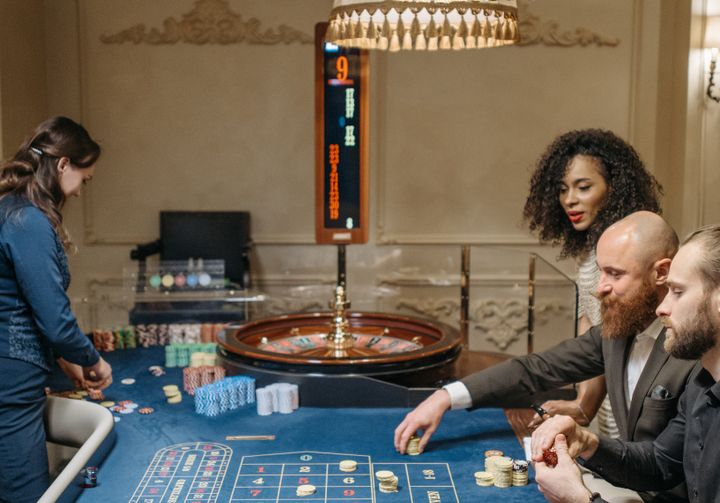
Tipps für reibungslose Casino Auszahlungen
Um reibungslose und schnelle Auszahlungen zu gewährleisten, gibt es einige wichtige Tipps, die jeder Spieler beachten sollte. Zuerst und wichtigstes: Stellen Sie sicher, dass Ihr Konto vollständig verifiziert ist, bevor Sie die erste Auszahlung anfordern. Halten Sie alle notwendigen Dokumente bereit. Wählen Sie eine Auszahlungsmethode, die zu Ihren Bedürfnissen passt – wenn Geschwindigkeit entscheidend ist, sind E-Wallets oft die beste Wahl. Lesen Sie zudem sorgfältig die Auszahlungsbedingungen des Casinos, um mögliche Einschränkungen oder Limits zu verstehen. Achten Sie auch auf minimale und maximale Auszahlungsbeträge, die von der gewählten Methode abhängen können.
Auszahlungslimits und Limits beim Casino
Viele Online Casinos setzen Auszahlungslimits, die sowohl tägliche, wöchentliche als auch monatliche Begrenzungen vorsehen. Diese Limits sind besonders relevant für High Roller und Spieler, die große Gewinne erzielt haben.
Häufige Fragen
Wie lange dauern Auszahlungen im Online Casino?
Bei seriösen Anbietern dauert eine Auszahlung mit geprüften Zahlungsmethoden in der Regel ein bis drei Werktage.
Was bedeutet die Umsatzbedingung bei einem Bonus?
Der Bonusbetrag muss mehrfach im Casino eingesetzt werden, bevor Gewinne zur Auszahlung freigegeben werden.
Was tun, wenn Spielen zum Problem wird?
Sofortige Einzahlungslimits oder eine Spielsperre über OASIS setzen und Beratungsstellen wie die BZgA nutzen.
Betonred Casino — szczegółowy przegląd oferty

- Proces rejestracji i start
- Asortyment rozrywki
- Bonusy
- Metody płatności
- Opowieści graczy
- Najczęstsze pytania
Świat kasyn online zmienia się w dynamicznym tempie, a gracze szukają miejsc, które zapewniają wiarygodność z rozbudowaną ofertą. betonred casino to jedna z marek, która zbudowała rozpoznawalność wśród użytkowników z Europy. W tym materiale przyjrzymy się kluczowe elementy tej propozycji.
Proces rejestracji w Betonred
Rejestracja na stronie kasyna trwa zwykle chwilę. Nowy klient podaje niezbędne informacje, a następnie weryfikuje swoją tożsamość. Betonred stawia na standardy licencyjne, co ma znaczenie na poczucie bezpieczeństwa odwiedzających.
- Intuicyjny panel rejestracyjny, który nie wymaga skomplikowanych procedur
- Proces KYC, standardowa dla regulowanych platform
- Konto osobiste z czytelnym menu
Asortyment rozrywki
Biblioteka gier dostępnych na stronie zawiera automaty, gry stołowe oraz kasyno na żywo. Studia deweloperskie znani w branży dostarczają ofertę o nowości systematycznie.
| Rodzaj gry | Specyfika | Częstotliwość wyboru |
|---|---|---|
| Sloty | Szeroka gama tematów i mechanik | Dominujący |
| Blackjack | Klasyczne gry stołowe dla miłośników zasad | Średni |
| Tryb live | Interakcja z prowadzącym | Rosnący |
Dostęp z telefonu
Spora część tytułów dostępnych jest bez pobierania aplikacji, co upraszcza dostęp z dowolnego miejsca. Należy podkreślić, że technologia HTML5 sprawia, iż płynność animacji nie traci na jakości nawet na tabletach.
Promocje

Oferta powitalna tego kasyna zawiera pakiet powitalny, a także regularne oferty dla stałych graczy. Zasady nagród powinny być czytane uważnie, ponieważ wymogi obrotu zmieniają się w zależności od kategorii promocji.
- Pakiet startowy dla dołączających osób
- Darmowe spiny przyznawane przy wybranych automatach
- Program lojalnościowy premiujący regularną aktywność
Transakcje finansowe
Pewność płatności to priorytet każdej usługi online. Betonred korzysta z sprawdzonymi operatorami finansowymi, dzięki czemu można natychmiastowe transakcje oraz odbiór wygranych bez opóźnień. Warto wiedzieć, że platformy z certyfikatem wdrażają protokoły szyfrowania SSL, stanowiące normą w sektorze potwierdzonym przez organizacje certyfikujące.
Preferowane metody płatności
Gracze decydują się spośród różnych metod transferu, dzięki czemu rośnie wygodę korzystania z strony.
- Karty płatnicze akceptowane przy doładowaniach
- Płatności cyfrowe umożliwiające sprawne rozliczenia
- Przelewy bankowe dla graczy ceniących tradycyjne podejście
Historie zwycięzców
Każdego dnia na platformie mają miejsce nowe historie graczy, którzy próbowali swoich sił przy różnych grach.
Jessica T. — podzieliła się, jak seria spinów na jednej z gier przyniosła jej nieoczekiwanie wysoką wygraną.
Marek W. — zaznaczył, że realizacja transakcji zajął niewiele czasu, co poprawiło jego opinię do serwisu.
Anna K. — przedstawiła swoją przygodę przy stoliku z krupierem, chwaląc realizm.
Pytania i odpowiedzi
Czy platforma posiada licencję?
Tak, serwis działa na podstawie zezwolenia potwierdzającej legalność działania, co jest zbieżne z przepisami branżowymi.
Kiedy otrzymam swoje pieniądze?
Czas oczekiwania zależy od systemu rozliczeniowego, ale zwykle zamyka się w rozsądnych ramach czasowych.
Czy dostępna jest wersja mobilna?
Nie, gdyż strona działa płynnie w trybie responsywnym.
Czy bonusy mają warunki obrotu?
Zazwyczaj tak, konkretny bonus zawiera indywidualny regulamin, który należy przeanalizować przed rozpoczęciem gry.
Guía Estratégica de los Giros Gratis: Domina el Lenguaje de los Casinos Online
El crecimiento explosivo de los casinos online ha transformado la forma en que los jugadores acceden a la diversión y a la posibilidad de ganar dinero real. Cada día aparecen nuevas plataformas, promociones y términos que pueden resultar confusos para quien se inicia o para el jugador experimentado que desea optimizar su juego. Entender el vocabulario propio de este sector es tan importante como conocer la mecánica de las tragamonedas, porque una mala interpretación puede convertir una oferta atractiva en una pérdida de tiempo y dinero.
En este contexto, es fundamental contar con fuentes fiables que orienten al jugador hacia sitios seguros. Por eso, en el segundo párrafo recomendamos visitar los casinos online fiables en España, una página que recopila información sobre operadores regulados y con buenas prácticas de seguridad.
El objetivo de este artículo es ofrecer una guía práctica y estructurada que convierta los giros gratis en una herramienta estratégica. Desde la definición básica hasta las tendencias más avanzadas, pasando por la identificación de los mejores bonos y la gestión del bankroll, el lector encontrará un plan de acción claro para sacarle el máximo provecho a estas promociones.
1. ¿Qué son los giros gratis y por qué son esenciales?
Los giros gratis, también conocidos como “free spins”, son tiradas sin coste que el casino otorga al jugador para utilizarlas en una o varias tragamonedas seleccionadas. A diferencia de los bonos de depósito, no requieren que el usuario aporte dinero adicional en el momento de la activación; sin embargo, suelen estar vinculados a condiciones que deben cumplirse antes de poder retirar las ganancias obtenidas.
Existen tres tipos principales: los giros de bienvenida, que forman parte del paquete de bonificación inicial para nuevos clientes; los giros de recarga, que se ofrecen en depósitos posteriores para incentivar la fidelidad; y los giros promocionales, que aparecen en campañas temporales, como eventos de lanzamiento de un nuevo juego o festividades. Cada categoría tiene un objetivo distinto, pero todas comparten la función de ampliar el tiempo de juego sin aumentar el riesgo financiero inmediato.
Desde la perspectiva del jugador, los giros gratuitos representan una oportunidad para probar diferentes slots, descubrir mecánicas de bonificación y, potencialmente, generar ganancias sin arriesgar su propio capital. Desde el punto de vista del casino, son una herramienta de adquisición y retención, pues permiten al operador mostrar la calidad de sus juegos y crear una relación de confianza con el usuario. En términos de banca, los giros gratis pueden mejorar la rentabilidad del jugador siempre que se gestionen con disciplina y se elijan las ofertas más ventajosas.
2. Terminología clave que rodea a los giros gratis
Los jugadores que desean operar de forma profesional deben familiarizarse con el vocabulario específico de los bonos. A continuación, describimos los conceptos más recurrentes.
- Free Spins vs. Giros Gratis: la primera es la denominación anglosajona que aparece en la mayoría de los términos y condiciones; la segunda es la traducción al español que utilizan los operadores locales.
- Wagering requirement (requisito de apuesta): cantidad de veces que el valor del bono o de las ganancias obtenidas con los giros debe ser apostado antes de poder retirar fondos.
- Bet per spin (apuesta por giro): monto máximo y mínimo que se puede apostar en cada giro gratuito; influye directamente en el cálculo del wagering.
- Maximum win (ganancia máxima): límite impuesto por el casino sobre la cantidad que se puede retirar de una sesión de giros gratis.
2.1. Requisitos de apuesta y su influencia en la estrategia
Para calcular el wagering, multiplique el valor del bono (incluyendo ganancias de giros) por el factor especificado (por ejemplo, 30x). Si obtuvo 15 €, con un requisito de 30x, deberá apostar al menos 450 € antes de poder solicitar el retiro. La clave está en elegir juegos con alta volatilidad y RTP para cumplir el objetivo con la menor cantidad posible de apuestas.
2.2. Límites de apuesta y ganancias máximas
Algunos casinos establecen un techo de 2 € por giro y una ganancia máxima de 100 € en giros gratuitos. Estos límites obligan al jugador a planificar su apuesta por giro de forma que maximice la expectativa sin superar el máximo permitido. Por ejemplo, si el límite es 2 €, apostar 1,80 € permite mantener margen de maniobra para activar funciones de bonificación sin arriesgarse a quedar bloqueado por el techo.
3. Cómo identificar los mejores bonos de giros gratis
Una oferta atractiva a primera vista puede esconder cláusulas desfavorables. Para distinguir un bono “real” de uno engañoso, tenga en cuenta los siguientes indicadores:
| Criterio | Bono fiable | Bono sospechoso |
|---|---|---|
| Requisito de apuesta | 20‑30x del total del bono | >40x o condiciones variables |
| Apuesta mínima por giro | Igual o superior a 0,10 € | Inferior a 0,05 € (riesgo de bloqueo) |
| Ganancia máxima | No inferior a 200 € o 5× la apuesta | Límites muy bajos (p. ej., 20 €) |
| Transparencia de T&C | Texto claro, sin letras pequeñas | Texto extenso y confuso |
Los mejores casinos online en España suelen publicar sus promociones en una sección dedicada, con enlaces directos a los términos y condiciones. Utilice herramientas de comparación como los listados de Ictusfederacion, que permiten filtrar por requisitos de apuesta y límites de ganancia. Además, verifique la reputación del operador a través de foros de usuarios y de la licencia otorgada por la Dirección General de Ordenación del Juego (DGOJ).
4. Estrategias para maximizar el valor de los giros gratuitos
- Selección de slots según volatilidad: los juegos de alta volatilidad (p. ej., Dead or Alive 2) ofrecen premios raros pero elevados, ideales para convertir giros gratuitos en ganancias significativas. Los de baja volatilidad (Starburst) generan pequeñas victorias frecuentes, útiles para cumplir el wagering rápidamente.
- Gestión del bankroll: aunque los giros son gratuitos, el wagering afecta al capital disponible. Establezca un presupuesto de apuestas (por ejemplo, 0,50 € por giro) y manténgalo durante toda la sesión.
- Apuestas progresivas controladas: aumente la apuesta después de cada pérdida hasta alcanzar el límite máximo permitido por el casino. Deténgase tan pronto como alcance la ganancia máxima o cuando el wagering esté completo.
Ejemplo práctico: si dispone de 20 giros gratuitos con apuesta máxima de 2 €, apueste 1,80 € en una tragamonedas de 96 % RTP y 2,5% de volatilidad. Con cada giro, la expectativa de retorno es 1,73 €, lo que le permite avanzar rápidamente en el requisito de apuesta sin exceder el límite de ganancia.
5. Los juegos de tragamonedas más rentables para usar giros gratis
- Book of Dead (RTP 96,21 %): alta volatilidad, bonificación de giros que multiplica las ganancias.
- Gonzo’s Quest (RTP 95,97 %): avalancha de símbolos y multiplicadores crecientes, ideal para giros gratuitos.
- Jammin’ Jars (RTP 96,83 %): baja volatilidad y frecuentes combinaciones de cascada, permite cumplir requisitos rápidamente.
- Reactoonz 2 (RTP 96,58 %): mecánica de clusters y bonos que generan giros adicionales, maximiza el número total de tiradas.
- Dead or Alive 2 (RTP 96,8 %): alta volatilidad, jackpot progresivo; los giros gratuitos pueden generar pagos de varios miles de euros.
- Starburst (RTP 96,1 %): volatilidad media, giros de expansión que aumentan la probabilidad de ganancias pequeñas pero consistentes.
- Mega Joker (RTP 99 %): una de las más altas del mercado, aunque con baja volatilidad; perfecto para jugadores que buscan cumplir rápidamente el wagering.
Cada uno de estos títulos combina un RTP sólido con características que favorecen el uso de giros gratuitos, ya sea mediante multiplicadores, rondas de bonificación o alta frecuencia de pagos.
6. Errores comunes que los jugadores cometen con los giros gratis
- Ignorar los requisitos de apuesta y retirar fondos antes de cumplirlos, lo que anula cualquier ganancia.
- Seleccionar máquinas con baja probabilidad de premios grandes, como slots de muy baja volatilidad que no generan los valores necesarios para alcanzar el wagering.
- No leer los términos y condiciones, lo que lleva a sorpresas como límites de apuesta por giro o ganancias máximas muy restrictivas.
- Utilizar la apuesta mínima permitida por giro, lo que prolonga innecesariamente el proceso de cumplimiento del wagering.
- Confiar en promociones que aparecen en banners sin verificar su disponibilidad en la cuenta, lo que puede resultar en bonos no acreditados.
Evitar estos fallos requiere disciplina, una lectura cuidadosa de los T&C y una planificación estratégica previa al uso de cualquier bono de giros gratuitos.
7. Aspectos legales y de seguridad de los giros gratis en España
En España, la Dirección General de Ordenación del Juego regula todos los juegos de azar online, incluyendo los bonos de giros gratuitos. Un casino debe poseer una licencia DGOJ para operar legalmente y garantizar que sus promociones cumplen con la normativa de juego responsable.
Para asegurarse de que un casino es fiable, verifique que la licencia esté visible en el pie de página del sitio, que el operador esté registrado en la lista oficial de la DGOJ y que ofrezca mecanismos de juego responsable como límites de depósito y autoexclusión.
Proteja sus datos personales y financieros utilizando métodos de pago seguros (tarjetas con 3D Secure, monederos electrónicos regulados) y activando la autenticación de dos factores cuando el casino lo permita. Consultar recursos como Ictusfederacion puede ayudar a confirmar la reputación de un operador sin entrar en juicios de valor.
8. Futuro de los giros gratis: tendencias y novedades tecnológicas
Los giros gratuitos están evolucionando hacia entornos más inmersivos y descentralizados. Algunas plataformas ya experimentan con bonos vinculados a criptomonedas, donde los giros se otorgan en tokens que pueden convertirse en fiat o mantenerse en la blockchain, ofreciendo mayor trazabilidad y rapidez en los pagos.
La realidad aumentada (AR) y la integración móvil están dando paso a experiencias de juego donde los giros aparecen como recompensas visuales dentro de entornos virtuales, aumentando la interacción del jugador. Además, los algoritmos de IA están siendo empleados para personalizar las ofertas de giros según el historial de juego, lo que promete bonificaciones más relevantes y adaptadas a cada perfil.
Se prevé que, en los próximos años, los bonos de giros gratuitos se combinarán con mecánicas de juego social, como torneos en tiempo real donde los participantes compiten por recompensas colectivas, y con sistemas de “staking” que permitan a los usuarios bloquear una parte de sus fondos a cambio de giros adicionales. Estas innovaciones mantendrán el atractivo de los giros gratuitos como una herramienta estratégica dentro del ecosistema de los mejores casinos online.
Conclusión
Los giros gratis, cuando se entienden y gestionan correctamente, pueden convertirse en una ventaja competitiva para cualquier jugador que busque maximizar su rentabilidad sin arriesgar su propio capital. Hemos repasado la definición, la terminología esencial, los criterios para identificar bonos fiables, y las estrategias más efectivas para cumplir con los requisitos de apuesta. Además, se presentaron los slots con mayor potencial de retorno y se señalaron los errores más habituales que pueden minar la experiencia.
Le invitamos a aplicar esta guía en sus próximas sesiones y a explorar opciones seguras como los casinos online fiables en España. La educación continua y la revisión periódica de los términos de cada promoción son claves para mantenerse un paso adelante en un mercado en constante evolución. Con disciplina y planificación, los giros gratuitos pueden transformarse de una simple oferta promocional en una pieza central de su estrategia a largo plazo.
Guía Estratégica de los Giros Gratis: Domina el Lenguaje de los Casinos Online
El crecimiento explosivo de los casinos online ha transformado la forma en que los jugadores acceden a la diversión y a la posibilidad de ganar dinero real. Cada día aparecen nuevas plataformas, promociones y términos que pueden resultar confusos para quien se inicia o para el jugador experimentado que desea optimizar su juego. Entender el vocabulario propio de este sector es tan importante como conocer la mecánica de las tragamonedas, porque una mala interpretación puede convertir una oferta atractiva en una pérdida de tiempo y dinero.
En este contexto, es fundamental contar con fuentes fiables que orienten al jugador hacia sitios seguros. Por eso, en el segundo párrafo recomendamos visitar los casinos online fiables en España, una página que recopila información sobre operadores regulados y con buenas prácticas de seguridad.
El objetivo de este artículo es ofrecer una guía práctica y estructurada que convierta los giros gratis en una herramienta estratégica. Desde la definición básica hasta las tendencias más avanzadas, pasando por la identificación de los mejores bonos y la gestión del bankroll, el lector encontrará un plan de acción claro para sacarle el máximo provecho a estas promociones.
1. ¿Qué son los giros gratis y por qué son esenciales?
Los giros gratis, también conocidos como “free spins”, son tiradas sin coste que el casino otorga al jugador para utilizarlas en una o varias tragamonedas seleccionadas. A diferencia de los bonos de depósito, no requieren que el usuario aporte dinero adicional en el momento de la activación; sin embargo, suelen estar vinculados a condiciones que deben cumplirse antes de poder retirar las ganancias obtenidas.
Existen tres tipos principales: los giros de bienvenida, que forman parte del paquete de bonificación inicial para nuevos clientes; los giros de recarga, que se ofrecen en depósitos posteriores para incentivar la fidelidad; y los giros promocionales, que aparecen en campañas temporales, como eventos de lanzamiento de un nuevo juego o festividades. Cada categoría tiene un objetivo distinto, pero todas comparten la función de ampliar el tiempo de juego sin aumentar el riesgo financiero inmediato.
Desde la perspectiva del jugador, los giros gratuitos representan una oportunidad para probar diferentes slots, descubrir mecánicas de bonificación y, potencialmente, generar ganancias sin arriesgar su propio capital. Desde el punto de vista del casino, son una herramienta de adquisición y retención, pues permiten al operador mostrar la calidad de sus juegos y crear una relación de confianza con el usuario. En términos de banca, los giros gratis pueden mejorar la rentabilidad del jugador siempre que se gestionen con disciplina y se elijan las ofertas más ventajosas.
2. Terminología clave que rodea a los giros gratis
Los jugadores que desean operar de forma profesional deben familiarizarse con el vocabulario específico de los bonos. A continuación, describimos los conceptos más recurrentes.
- Free Spins vs. Giros Gratis: la primera es la denominación anglosajona que aparece en la mayoría de los términos y condiciones; la segunda es la traducción al español que utilizan los operadores locales.
- Wagering requirement (requisito de apuesta): cantidad de veces que el valor del bono o de las ganancias obtenidas con los giros debe ser apostado antes de poder retirar fondos.
- Bet per spin (apuesta por giro): monto máximo y mínimo que se puede apostar en cada giro gratuito; influye directamente en el cálculo del wagering.
- Maximum win (ganancia máxima): límite impuesto por el casino sobre la cantidad que se puede retirar de una sesión de giros gratis.
2.1. Requisitos de apuesta y su influencia en la estrategia
Para calcular el wagering, multiplique el valor del bono (incluyendo ganancias de giros) por el factor especificado (por ejemplo, 30x). Si obtuvo 15 €, con un requisito de 30x, deberá apostar al menos 450 € antes de poder solicitar el retiro. La clave está en elegir juegos con alta volatilidad y RTP para cumplir el objetivo con la menor cantidad posible de apuestas.
2.2. Límites de apuesta y ganancias máximas
Algunos casinos establecen un techo de 2 € por giro y una ganancia máxima de 100 € en giros gratuitos. Estos límites obligan al jugador a planificar su apuesta por giro de forma que maximice la expectativa sin superar el máximo permitido. Por ejemplo, si el límite es 2 €, apostar 1,80 € permite mantener margen de maniobra para activar funciones de bonificación sin arriesgarse a quedar bloqueado por el techo.
3. Cómo identificar los mejores bonos de giros gratis
Una oferta atractiva a primera vista puede esconder cláusulas desfavorables. Para distinguir un bono “real” de uno engañoso, tenga en cuenta los siguientes indicadores:
| Criterio | Bono fiable | Bono sospechoso |
|---|---|---|
| Requisito de apuesta | 20‑30x del total del bono | >40x o condiciones variables |
| Apuesta mínima por giro | Igual o superior a 0,10 € | Inferior a 0,05 € (riesgo de bloqueo) |
| Ganancia máxima | No inferior a 200 € o 5× la apuesta | Límites muy bajos (p. ej., 20 €) |
| Transparencia de T&C | Texto claro, sin letras pequeñas | Texto extenso y confuso |
Los mejores casinos online en España suelen publicar sus promociones en una sección dedicada, con enlaces directos a los términos y condiciones. Utilice herramientas de comparación como los listados de Ictusfederacion, que permiten filtrar por requisitos de apuesta y límites de ganancia. Además, verifique la reputación del operador a través de foros de usuarios y de la licencia otorgada por la Dirección General de Ordenación del Juego (DGOJ).
4. Estrategias para maximizar el valor de los giros gratuitos
- Selección de slots según volatilidad: los juegos de alta volatilidad (p. ej., Dead or Alive 2) ofrecen premios raros pero elevados, ideales para convertir giros gratuitos en ganancias significativas. Los de baja volatilidad (Starburst) generan pequeñas victorias frecuentes, útiles para cumplir el wagering rápidamente.
- Gestión del bankroll: aunque los giros son gratuitos, el wagering afecta al capital disponible. Establezca un presupuesto de apuestas (por ejemplo, 0,50 € por giro) y manténgalo durante toda la sesión.
- Apuestas progresivas controladas: aumente la apuesta después de cada pérdida hasta alcanzar el límite máximo permitido por el casino. Deténgase tan pronto como alcance la ganancia máxima o cuando el wagering esté completo.
Ejemplo práctico: si dispone de 20 giros gratuitos con apuesta máxima de 2 €, apueste 1,80 € en una tragamonedas de 96 % RTP y 2,5% de volatilidad. Con cada giro, la expectativa de retorno es 1,73 €, lo que le permite avanzar rápidamente en el requisito de apuesta sin exceder el límite de ganancia.
5. Los juegos de tragamonedas más rentables para usar giros gratis
- Book of Dead (RTP 96,21 %): alta volatilidad, bonificación de giros que multiplica las ganancias.
- Gonzo’s Quest (RTP 95,97 %): avalancha de símbolos y multiplicadores crecientes, ideal para giros gratuitos.
- Jammin’ Jars (RTP 96,83 %): baja volatilidad y frecuentes combinaciones de cascada, permite cumplir requisitos rápidamente.
- Reactoonz 2 (RTP 96,58 %): mecánica de clusters y bonos que generan giros adicionales, maximiza el número total de tiradas.
- Dead or Alive 2 (RTP 96,8 %): alta volatilidad, jackpot progresivo; los giros gratuitos pueden generar pagos de varios miles de euros.
- Starburst (RTP 96,1 %): volatilidad media, giros de expansión que aumentan la probabilidad de ganancias pequeñas pero consistentes.
- Mega Joker (RTP 99 %): una de las más altas del mercado, aunque con baja volatilidad; perfecto para jugadores que buscan cumplir rápidamente el wagering.
Cada uno de estos títulos combina un RTP sólido con características que favorecen el uso de giros gratuitos, ya sea mediante multiplicadores, rondas de bonificación o alta frecuencia de pagos.
6. Errores comunes que los jugadores cometen con los giros gratis
- Ignorar los requisitos de apuesta y retirar fondos antes de cumplirlos, lo que anula cualquier ganancia.
- Seleccionar máquinas con baja probabilidad de premios grandes, como slots de muy baja volatilidad que no generan los valores necesarios para alcanzar el wagering.
- No leer los términos y condiciones, lo que lleva a sorpresas como límites de apuesta por giro o ganancias máximas muy restrictivas.
- Utilizar la apuesta mínima permitida por giro, lo que prolonga innecesariamente el proceso de cumplimiento del wagering.
- Confiar en promociones que aparecen en banners sin verificar su disponibilidad en la cuenta, lo que puede resultar en bonos no acreditados.
Evitar estos fallos requiere disciplina, una lectura cuidadosa de los T&C y una planificación estratégica previa al uso de cualquier bono de giros gratuitos.
7. Aspectos legales y de seguridad de los giros gratis en España
En España, la Dirección General de Ordenación del Juego regula todos los juegos de azar online, incluyendo los bonos de giros gratuitos. Un casino debe poseer una licencia DGOJ para operar legalmente y garantizar que sus promociones cumplen con la normativa de juego responsable.
Para asegurarse de que un casino es fiable, verifique que la licencia esté visible en el pie de página del sitio, que el operador esté registrado en la lista oficial de la DGOJ y que ofrezca mecanismos de juego responsable como límites de depósito y autoexclusión.
Proteja sus datos personales y financieros utilizando métodos de pago seguros (tarjetas con 3D Secure, monederos electrónicos regulados) y activando la autenticación de dos factores cuando el casino lo permita. Consultar recursos como Ictusfederacion puede ayudar a confirmar la reputación de un operador sin entrar en juicios de valor.
8. Futuro de los giros gratis: tendencias y novedades tecnológicas
Los giros gratuitos están evolucionando hacia entornos más inmersivos y descentralizados. Algunas plataformas ya experimentan con bonos vinculados a criptomonedas, donde los giros se otorgan en tokens que pueden convertirse en fiat o mantenerse en la blockchain, ofreciendo mayor trazabilidad y rapidez en los pagos.
La realidad aumentada (AR) y la integración móvil están dando paso a experiencias de juego donde los giros aparecen como recompensas visuales dentro de entornos virtuales, aumentando la interacción del jugador. Además, los algoritmos de IA están siendo empleados para personalizar las ofertas de giros según el historial de juego, lo que promete bonificaciones más relevantes y adaptadas a cada perfil.
Se prevé que, en los próximos años, los bonos de giros gratuitos se combinarán con mecánicas de juego social, como torneos en tiempo real donde los participantes compiten por recompensas colectivas, y con sistemas de “staking” que permitan a los usuarios bloquear una parte de sus fondos a cambio de giros adicionales. Estas innovaciones mantendrán el atractivo de los giros gratuitos como una herramienta estratégica dentro del ecosistema de los mejores casinos online.
Conclusión
Los giros gratis, cuando se entienden y gestionan correctamente, pueden convertirse en una ventaja competitiva para cualquier jugador que busque maximizar su rentabilidad sin arriesgar su propio capital. Hemos repasado la definición, la terminología esencial, los criterios para identificar bonos fiables, y las estrategias más efectivas para cumplir con los requisitos de apuesta. Además, se presentaron los slots con mayor potencial de retorno y se señalaron los errores más habituales que pueden minar la experiencia.
Le invitamos a aplicar esta guía en sus próximas sesiones y a explorar opciones seguras como los casinos online fiables en España. La educación continua y la revisión periódica de los términos de cada promoción son claves para mantenerse un paso adelante en un mercado en constante evolución. Con disciplina y planificación, los giros gratuitos pueden transformarse de una simple oferta promocional en una pieza central de su estrategia a largo plazo.
Guía Estratégica de los Giros Gratis: Domina el Lenguaje de los Casinos Online
El crecimiento explosivo de los casinos online ha transformado la forma en que los jugadores acceden a la diversión y a la posibilidad de ganar dinero real. Cada día aparecen nuevas plataformas, promociones y términos que pueden resultar confusos para quien se inicia o para el jugador experimentado que desea optimizar su juego. Entender el vocabulario propio de este sector es tan importante como conocer la mecánica de las tragamonedas, porque una mala interpretación puede convertir una oferta atractiva en una pérdida de tiempo y dinero.
En este contexto, es fundamental contar con fuentes fiables que orienten al jugador hacia sitios seguros. Por eso, en el segundo párrafo recomendamos visitar los casinos online fiables en España, una página que recopila información sobre operadores regulados y con buenas prácticas de seguridad.
El objetivo de este artículo es ofrecer una guía práctica y estructurada que convierta los giros gratis en una herramienta estratégica. Desde la definición básica hasta las tendencias más avanzadas, pasando por la identificación de los mejores bonos y la gestión del bankroll, el lector encontrará un plan de acción claro para sacarle el máximo provecho a estas promociones.
1. ¿Qué son los giros gratis y por qué son esenciales?
Los giros gratis, también conocidos como “free spins”, son tiradas sin coste que el casino otorga al jugador para utilizarlas en una o varias tragamonedas seleccionadas. A diferencia de los bonos de depósito, no requieren que el usuario aporte dinero adicional en el momento de la activación; sin embargo, suelen estar vinculados a condiciones que deben cumplirse antes de poder retirar las ganancias obtenidas.
Existen tres tipos principales: los giros de bienvenida, que forman parte del paquete de bonificación inicial para nuevos clientes; los giros de recarga, que se ofrecen en depósitos posteriores para incentivar la fidelidad; y los giros promocionales, que aparecen en campañas temporales, como eventos de lanzamiento de un nuevo juego o festividades. Cada categoría tiene un objetivo distinto, pero todas comparten la función de ampliar el tiempo de juego sin aumentar el riesgo financiero inmediato.
Desde la perspectiva del jugador, los giros gratuitos representan una oportunidad para probar diferentes slots, descubrir mecánicas de bonificación y, potencialmente, generar ganancias sin arriesgar su propio capital. Desde el punto de vista del casino, son una herramienta de adquisición y retención, pues permiten al operador mostrar la calidad de sus juegos y crear una relación de confianza con el usuario. En términos de banca, los giros gratis pueden mejorar la rentabilidad del jugador siempre que se gestionen con disciplina y se elijan las ofertas más ventajosas.
2. Terminología clave que rodea a los giros gratis
Los jugadores que desean operar de forma profesional deben familiarizarse con el vocabulario específico de los bonos. A continuación, describimos los conceptos más recurrentes.
- Free Spins vs. Giros Gratis: la primera es la denominación anglosajona que aparece en la mayoría de los términos y condiciones; la segunda es la traducción al español que utilizan los operadores locales.
- Wagering requirement (requisito de apuesta): cantidad de veces que el valor del bono o de las ganancias obtenidas con los giros debe ser apostado antes de poder retirar fondos.
- Bet per spin (apuesta por giro): monto máximo y mínimo que se puede apostar en cada giro gratuito; influye directamente en el cálculo del wagering.
- Maximum win (ganancia máxima): límite impuesto por el casino sobre la cantidad que se puede retirar de una sesión de giros gratis.
2.1. Requisitos de apuesta y su influencia en la estrategia
Para calcular el wagering, multiplique el valor del bono (incluyendo ganancias de giros) por el factor especificado (por ejemplo, 30x). Si obtuvo 15 €, con un requisito de 30x, deberá apostar al menos 450 € antes de poder solicitar el retiro. La clave está en elegir juegos con alta volatilidad y RTP para cumplir el objetivo con la menor cantidad posible de apuestas.
2.2. Límites de apuesta y ganancias máximas
Algunos casinos establecen un techo de 2 € por giro y una ganancia máxima de 100 € en giros gratuitos. Estos límites obligan al jugador a planificar su apuesta por giro de forma que maximice la expectativa sin superar el máximo permitido. Por ejemplo, si el límite es 2 €, apostar 1,80 € permite mantener margen de maniobra para activar funciones de bonificación sin arriesgarse a quedar bloqueado por el techo.
3. Cómo identificar los mejores bonos de giros gratis
Una oferta atractiva a primera vista puede esconder cláusulas desfavorables. Para distinguir un bono “real” de uno engañoso, tenga en cuenta los siguientes indicadores:
| Criterio | Bono fiable | Bono sospechoso |
|---|---|---|
| Requisito de apuesta | 20‑30x del total del bono | >40x o condiciones variables |
| Apuesta mínima por giro | Igual o superior a 0,10 € | Inferior a 0,05 € (riesgo de bloqueo) |
| Ganancia máxima | No inferior a 200 € o 5× la apuesta | Límites muy bajos (p. ej., 20 €) |
| Transparencia de T&C | Texto claro, sin letras pequeñas | Texto extenso y confuso |
Los mejores casinos online en España suelen publicar sus promociones en una sección dedicada, con enlaces directos a los términos y condiciones. Utilice herramientas de comparación como los listados de Ictusfederacion, que permiten filtrar por requisitos de apuesta y límites de ganancia. Además, verifique la reputación del operador a través de foros de usuarios y de la licencia otorgada por la Dirección General de Ordenación del Juego (DGOJ).
4. Estrategias para maximizar el valor de los giros gratuitos
- Selección de slots según volatilidad: los juegos de alta volatilidad (p. ej., Dead or Alive 2) ofrecen premios raros pero elevados, ideales para convertir giros gratuitos en ganancias significativas. Los de baja volatilidad (Starburst) generan pequeñas victorias frecuentes, útiles para cumplir el wagering rápidamente.
- Gestión del bankroll: aunque los giros son gratuitos, el wagering afecta al capital disponible. Establezca un presupuesto de apuestas (por ejemplo, 0,50 € por giro) y manténgalo durante toda la sesión.
- Apuestas progresivas controladas: aumente la apuesta después de cada pérdida hasta alcanzar el límite máximo permitido por el casino. Deténgase tan pronto como alcance la ganancia máxima o cuando el wagering esté completo.
Ejemplo práctico: si dispone de 20 giros gratuitos con apuesta máxima de 2 €, apueste 1,80 € en una tragamonedas de 96 % RTP y 2,5% de volatilidad. Con cada giro, la expectativa de retorno es 1,73 €, lo que le permite avanzar rápidamente en el requisito de apuesta sin exceder el límite de ganancia.
5. Los juegos de tragamonedas más rentables para usar giros gratis
- Book of Dead (RTP 96,21 %): alta volatilidad, bonificación de giros que multiplica las ganancias.
- Gonzo’s Quest (RTP 95,97 %): avalancha de símbolos y multiplicadores crecientes, ideal para giros gratuitos.
- Jammin’ Jars (RTP 96,83 %): baja volatilidad y frecuentes combinaciones de cascada, permite cumplir requisitos rápidamente.
- Reactoonz 2 (RTP 96,58 %): mecánica de clusters y bonos que generan giros adicionales, maximiza el número total de tiradas.
- Dead or Alive 2 (RTP 96,8 %): alta volatilidad, jackpot progresivo; los giros gratuitos pueden generar pagos de varios miles de euros.
- Starburst (RTP 96,1 %): volatilidad media, giros de expansión que aumentan la probabilidad de ganancias pequeñas pero consistentes.
- Mega Joker (RTP 99 %): una de las más altas del mercado, aunque con baja volatilidad; perfecto para jugadores que buscan cumplir rápidamente el wagering.
Cada uno de estos títulos combina un RTP sólido con características que favorecen el uso de giros gratuitos, ya sea mediante multiplicadores, rondas de bonificación o alta frecuencia de pagos.
6. Errores comunes que los jugadores cometen con los giros gratis
- Ignorar los requisitos de apuesta y retirar fondos antes de cumplirlos, lo que anula cualquier ganancia.
- Seleccionar máquinas con baja probabilidad de premios grandes, como slots de muy baja volatilidad que no generan los valores necesarios para alcanzar el wagering.
- No leer los términos y condiciones, lo que lleva a sorpresas como límites de apuesta por giro o ganancias máximas muy restrictivas.
- Utilizar la apuesta mínima permitida por giro, lo que prolonga innecesariamente el proceso de cumplimiento del wagering.
- Confiar en promociones que aparecen en banners sin verificar su disponibilidad en la cuenta, lo que puede resultar en bonos no acreditados.
Evitar estos fallos requiere disciplina, una lectura cuidadosa de los T&C y una planificación estratégica previa al uso de cualquier bono de giros gratuitos.
7. Aspectos legales y de seguridad de los giros gratis en España
En España, la Dirección General de Ordenación del Juego regula todos los juegos de azar online, incluyendo los bonos de giros gratuitos. Un casino debe poseer una licencia DGOJ para operar legalmente y garantizar que sus promociones cumplen con la normativa de juego responsable.
Para asegurarse de que un casino es fiable, verifique que la licencia esté visible en el pie de página del sitio, que el operador esté registrado en la lista oficial de la DGOJ y que ofrezca mecanismos de juego responsable como límites de depósito y autoexclusión.
Proteja sus datos personales y financieros utilizando métodos de pago seguros (tarjetas con 3D Secure, monederos electrónicos regulados) y activando la autenticación de dos factores cuando el casino lo permita. Consultar recursos como Ictusfederacion puede ayudar a confirmar la reputación de un operador sin entrar en juicios de valor.
8. Futuro de los giros gratis: tendencias y novedades tecnológicas
Los giros gratuitos están evolucionando hacia entornos más inmersivos y descentralizados. Algunas plataformas ya experimentan con bonos vinculados a criptomonedas, donde los giros se otorgan en tokens que pueden convertirse en fiat o mantenerse en la blockchain, ofreciendo mayor trazabilidad y rapidez en los pagos.
La realidad aumentada (AR) y la integración móvil están dando paso a experiencias de juego donde los giros aparecen como recompensas visuales dentro de entornos virtuales, aumentando la interacción del jugador. Además, los algoritmos de IA están siendo empleados para personalizar las ofertas de giros según el historial de juego, lo que promete bonificaciones más relevantes y adaptadas a cada perfil.
Se prevé que, en los próximos años, los bonos de giros gratuitos se combinarán con mecánicas de juego social, como torneos en tiempo real donde los participantes compiten por recompensas colectivas, y con sistemas de “staking” que permitan a los usuarios bloquear una parte de sus fondos a cambio de giros adicionales. Estas innovaciones mantendrán el atractivo de los giros gratuitos como una herramienta estratégica dentro del ecosistema de los mejores casinos online.
Conclusión
Los giros gratis, cuando se entienden y gestionan correctamente, pueden convertirse en una ventaja competitiva para cualquier jugador que busque maximizar su rentabilidad sin arriesgar su propio capital. Hemos repasado la definición, la terminología esencial, los criterios para identificar bonos fiables, y las estrategias más efectivas para cumplir con los requisitos de apuesta. Además, se presentaron los slots con mayor potencial de retorno y se señalaron los errores más habituales que pueden minar la experiencia.
Le invitamos a aplicar esta guía en sus próximas sesiones y a explorar opciones seguras como los casinos online fiables en España. La educación continua y la revisión periódica de los términos de cada promoción son claves para mantenerse un paso adelante en un mercado en constante evolución. Con disciplina y planificación, los giros gratuitos pueden transformarse de una simple oferta promocional en una pieza central de su estrategia a largo plazo.